
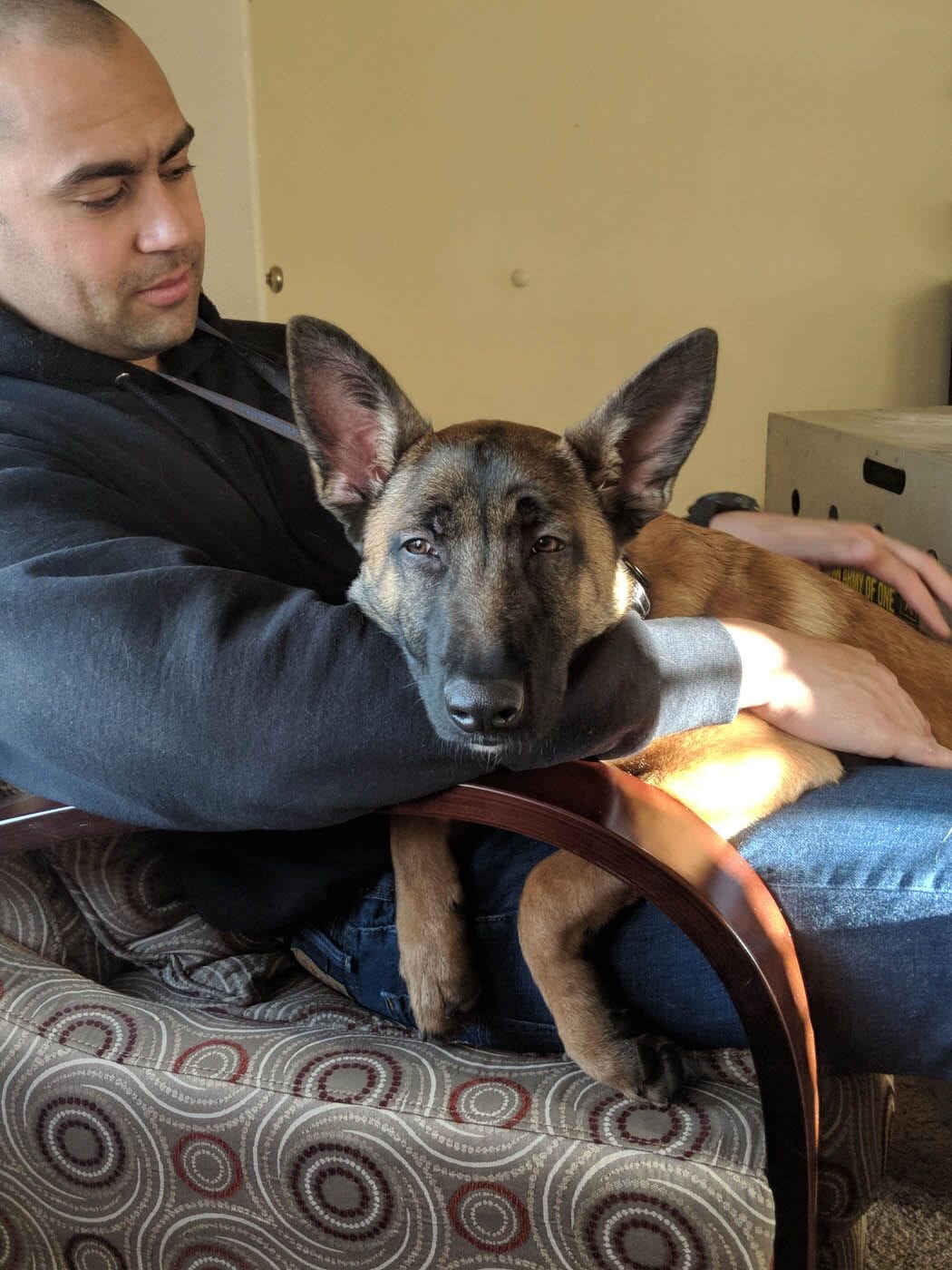
Welcome to the ultimate guide to service dog training in San Antonio, Texas. Whether you’re considering getting a service dog, need to train your existing dog to become a service animal, or are simply curious about the process, you’ve come to the right place. We’ll explore everything from the legal definitions and requirements to the practical steps involved in training, and where to find expert help in the San Antonio area. Understanding the commitment and the benefits is key to a successful partnership between you and your service dog.
Understanding Service Dogs: More Than Just a Pet
A service dog is not merely a pet; it’s a highly trained canine partner that performs specific tasks to assist an individual with a disability. This is a crucial distinction, especially under laws like the Americans with Disabilities Act (ADA). Unlike emotional support animals, which provide comfort through their presence, service dogs are specifically trained to mitigate a person’s disability. This training can include a wide range of tasks, from alerting a deaf handler to sounds, to guiding a visually impaired person, to alerting a diabetic to a drop in blood sugar, or even retrieving dropped items for someone with mobility issues. The bond between a handler and their service dog is built on trust, consistent training, and a deep understanding of each other’s needs.
What Qualifies as a Disability?
Under the ADA, a disability is a physical or mental impairment that substantially limits one or more major life activities. This can include a vast array of conditions, such as blindness, deafness, epilepsy, diabetes, mobility impairments, PTSD, anxiety disorders, and many others. The key is whether the disability substantially limits a major life activity and if the tasks a service dog can be trained to perform would help mitigate those limitations. It’s important to remember that the handler’s disability is the primary factor, not the dog’s breed or size.
Legal Rights and Regulations for Service Dogs in San Antonio
Navigating the legal landscape surrounding service dogs is vital. In San Antonio, as throughout the United States, the Americans with Disabilities Act (ADA) is the primary federal law protecting the rights of individuals with service dogs. This means service dogs are generally permitted in public places where pets are typically not allowed, such as restaurants, shops, and hotels. However, handlers must ensure their dog remains under control at all times, either on a leash or by voice command, and that the dog does not pose a direct threat to the health or safety of others.
ADA Title II and Title III
Title II of the ADA applies to state and local government services, programs, and activities. Title III applies to public accommodations, which includes businesses that are open to the general public. Both titles provide protections for individuals with disabilities using service animals. Businesses can only ask two specific questions: (1) Is the dog a service animal required because of a disability? and (2) What work or task has the dog been trained to perform? They cannot ask about the person’s disability or demand medical documentation.
Texas State Laws and Local Ordinances
While the ADA provides a federal baseline, Texas may have additional state laws or local ordinances that further define or protect the rights of service dog handlers. It’s always advisable to be aware of any specific local regulations in San Antonio. However, these generally align with or build upon the protections offered by the ADA. The focus remains on the dog’s ability to perform specific tasks related to a disability, and the handler’s responsibility to maintain control over their animal.
The Service Dog Training Process
Service dog training is a rigorous and lengthy process, often taking anywhere from six months to two years, or even longer, depending on the dog and the complexity of the tasks it needs to learn. It involves extensive socialization, obedience training, and task-specific training. This journey requires dedication, patience, and often, professional guidance. The goal is to ensure the dog is not only a reliable assistant but also a well-behaved companion in all environments.
Foundational Obedience and Socialization
Before a dog can learn specific tasks, it must have a solid foundation in obedience and socialization. This includes mastering commands such as sit, stay, come, down, and heel. Equally important is exposing the dog to a wide variety of sights, sounds, people, and environments from a young age. Proper socialization helps prevent fear-based behaviors and ensures the dog can remain calm and focused in distracting situations. For instance, a service dog might need to be comfortable in a crowded shopping mall, on public transport, or around loud noises. Learning how to train your dog to listen to you is paramount in this stage.
Task-Specific Training
This is where the dog learns the unique skills required to assist its handler. The tasks must be directly related to the handler’s disability. Examples include:
- Mobility Support: A dog may be trained to retrieve dropped items, brace its handler on stairs, or open and close doors.
- Medical Alert: Dogs can be trained to detect subtle changes in a person’s body chemistry that indicate an impending medical event, such as a seizure or a blood sugar fluctuation.
- Psychiatric Support: This can include tasks like deep pressure therapy during a panic attack, interrupting self-harming behaviors, or alerting the handler to an impending anxiety attack.
- Sensory Assistance: For individuals who are deaf or hard of hearing, a dog can be trained to alert them to specific sounds like doorbells, alarms, or a crying baby. Visually impaired individuals work with guide dogs that are specifically trained to navigate obstacles and direct their handler safely.
Handler Training
Service dog training isn’t just about the dog; it’s also about training the handler. The handler must learn how to properly cue their dog, understand its body language, maintain its training, and manage its behavior in public. This partnership requires constant communication and reinforcement. The ability to train your dog to shake is a fun trick, but the ability to communicate essential commands is life-changing.
Choosing a Service Dog and Training Options in San Antonio
When looking for a service dog or training services in San Antonio, you have several options. You can adopt a dog and train it yourself or with a trainer, or you can work with an organization that trains and places service dogs.
Adopting and Training Your Own Dog
Many people choose to train their own dogs or work with local trainers. This approach can be more affordable and allows for a deeply personalized training experience. However, it requires a significant time commitment and a thorough understanding of dog behavior and training methodologies. If you’re considering this route, look for trainers who specialize in service dog work. Programs like service dog training in San Antonio Texas can be a great starting point.
Reputable Service Dog Organizations
There are organizations that specialize in breeding, raising, and training service dogs. These organizations often have rigorous selection processes for both dogs and potential handlers. While typically more expensive than owner-training, these programs offer professionally trained dogs and comprehensive handler training, ensuring a high level of success. Researching organizations that serve the San Antonio area is essential.
Finding Qualified Trainers
If you’re owner-training, finding a qualified professional is critical. Look for trainers with experience in:
- Advanced Obedience: Beyond basic commands.
- Task Training: Ability to train specific tasks related to various disabilities.
- Behavioral Issues: Addressing any potential behavioral challenges.
- Public Access Skills: Ensuring the dog is well-behaved in public environments.
When discussing sit happens dog training prices, ensure the quoted prices reflect the comprehensive nature of service dog training, which is far more intensive than standard obedience classes.
Health, Nutrition, and Ongoing Care for Service Dogs
A service dog is a working animal, and its health and well-being are paramount. Proper nutrition, regular veterinary care, and appropriate exercise are essential to ensure they can perform their duties effectively and live long, healthy lives.
Nutritional Needs
Service dogs require a high-quality diet that supports their energy levels and overall health. Consult with your veterinarian to determine the best food and feeding schedule for your dog’s specific needs, considering age, breed, activity level, and any health conditions.
Veterinary Care and Preventative Health
Regular check-ups with a veterinarian are crucial. This includes vaccinations, parasite prevention (flea, tick, heartworm), and dental care. Early detection of any health issues can prevent them from becoming serious problems. Remember, a sick or injured service dog cannot perform its duties.
Exercise and Mental Stimulation
While service dogs are trained to be calm in public, they still need regular exercise and mental stimulation to prevent boredom and maintain a healthy weight. This can include walks, play sessions, and puzzle toys. Engaging their minds is just as important as physical activity.
Common Challenges and Solutions in Service Dog Partnerships
Despite the thorough training, challenges can arise in any service dog partnership. Understanding these potential issues and having strategies to address them is key to a lasting and successful relationship.
Behavioral Issues and Adjustments
Sometimes, a service dog may exhibit unwanted behaviors, such as reactivity, anxiety in certain situations, or difficulty focusing. These issues often stem from inadequate socialization, stress, or a lack of ongoing training. Revisit foundational training, consult with a professional trainer specializing in how to train your dog to listen to you, and ensure the dog’s needs for exercise and mental stimulation are being met.
Handler-Dog Communication Breakdown
Misunderstandings between handler and dog can occur. If a handler is not consistent with cues, or if the dog is not responding as expected, it might be time to reassess the training. Are the cues clear? Is the dog motivated? Sometimes, a refresher course or a session with a trainer can help re-establish clear communication. For handlers new to task training, learning fundamentals like how do I train my dog to shake can be a stepping stone to understanding more complex communication.
Public Access Challenges
While the ADA provides significant protections, handlers may still occasionally face pushback or questions from the public or businesses. It’s important to remain calm, informed about your rights, and prepared to politely educate others. Knowing that you are getting your dog service trained and that your dog is a legitimate service animal is empowering.
The Profound Impact of Service Dogs
Service dogs offer invaluable assistance, enhancing the independence, safety, and quality of life for their handlers. They provide not only practical support but also companionship and a sense of security. The journey of training and working with a service dog is a testament to the incredible capabilities of dogs and the deep human-animal bond.
Independence and Empowerment
For many individuals with disabilities, a service dog is the key to achieving a greater level of independence. They can navigate the world with more confidence, knowing they have a reliable partner by their side. This partnership empowers individuals to live fuller, more active lives.
Companionship and Emotional Well-being
Beyond their tasks, service dogs provide unwavering companionship. Their presence can reduce feelings of loneliness and isolation, and the responsibility of caring for them can provide routine and purpose. The bond formed is often one of the strongest and most rewarding relationships a person can have.
In conclusion, service dog training in San Antonio, Texas, is a comprehensive process that requires commitment, expertise, and a deep understanding of both canine behavior and legal requirements. Whether you embark on owner-training or partner with a professional organization, the goal is to forge a successful team that enhances independence and enriches lives.
