
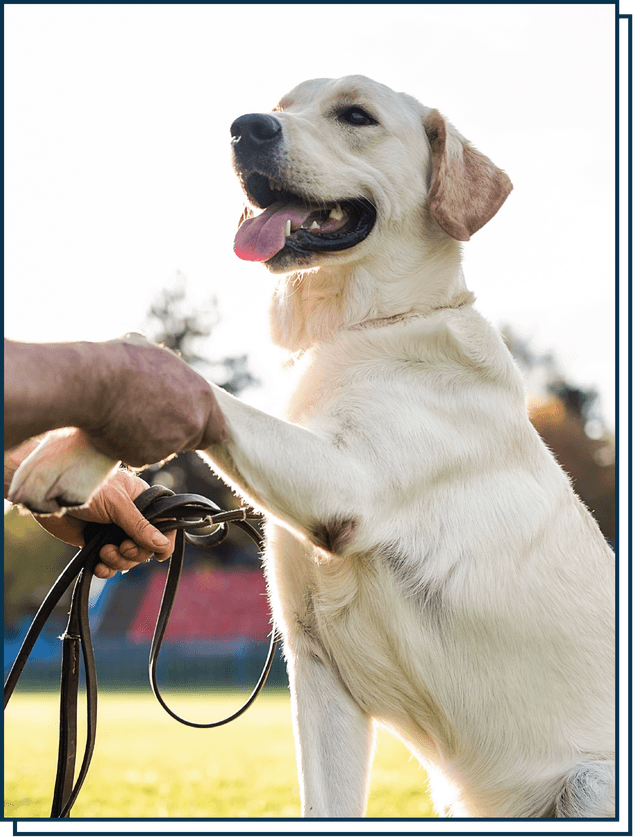
Discover the comprehensive world of service dog training in New Orleans. This guide will walk you through everything you need to know, from understanding the roles of service dogs to finding the right training programs and resources available in the Crescent City. Our goal is to empower you with the knowledge to navigate the process of training a service dog, ensuring a well-behaved and effective canine partner.
Understanding Service Dogs: More Than Just Pets
Service dogs are specially trained to perform tasks that assist individuals with disabilities. Unlike emotional support animals or therapy dogs, service dogs have specific legal protections and public access rights. They are working animals, trained to mitigate a person’s disability. The training is rigorous and focuses on obedience, public access skills, and task-specific work tailored to the handler’s needs.
What is a Service Dog?
A service dog is defined by its ability to perform tasks for a person with a disability. This could include tasks like guiding a visually impaired person, alerting a deaf person to sounds, pulling a wheelchair, or detecting medical episodes such as seizures or low blood sugar. The Americans with Disabilities Act (ADA) is the primary legislation governing service animals in the United States.
Service Dog vs. Emotional Support Animal (ESA) vs. Therapy Dog
It’s crucial to differentiate between these roles:
- Service Dogs: Trained to perform specific tasks for individuals with disabilities. They have public access rights.
- Emotional Support Animals (ESAs): Provide comfort and companionship to individuals with mental health conditions. They do not require specific task training and do not have public access rights like service dogs, though they may have housing accommodations.
- Therapy Dogs: Offer comfort and affection to people in various settings like hospitals, nursing homes, and schools. They are not service dogs and do not have public access rights.
The Importance of Professional Service Dog Training
While some handlers may choose to train their own service dogs, professional training offers significant advantages. Professional trainers in New Orleans possess the expertise to ensure dogs are adequately prepared for the demands of service work, including navigating public spaces safely and reliably. This often involves a combination of in-person training and handler-owner education.
Benefits of Professional Training
- Expertise: Certified trainers understand canine behavior, learning theory, and the specific requirements for service dogs.
- Socialization: Professional programs ensure dogs are exposed to a wide range of environments, sounds, and stimuli.
- Task Training: Trainers can develop and teach complex, disability-specific tasks.
- Public Access Skills: Essential for ensuring the dog behaves appropriately in public, a key component of service dog work. This is a critical aspect of [dog obedience training new orleans].
Finding Service Dog Training Programs in New Orleans
New Orleans offers several avenues for service dog training, ranging from local organizations to individual trainers. When searching, look for programs that emphasize positive reinforcement methods and have a proven track record.
Local Organizations and Trainers
Several organizations and private trainers in the Greater New Orleans area specialize in service dog training. It’s advisable to research each one thoroughly, check for reviews, and inquire about their training methodologies, success rates, and certifications. Some trainers might focus on specific types of service dogs, so finding a good fit for your needs is paramount. You might also find resources through local chapters of national service dog organizations. For those seeking to enhance basic obedience, [dog training las vegas nevada] may offer similar foundational principles, though specific service dog training will be location-dependent.
What to Look for in a Training Program
- Accreditation/Certification: Look for trainers certified by reputable organizations.
- Training Philosophy: Positive reinforcement is widely considered the most effective and humane method.
- Customization: Does the program tailor training to your specific needs and your dog’s capabilities?
- Handler Training: A good program includes extensive training for the handler, teaching them how to work with and manage their service dog.
- Ethical Practices: Ensure the organization has transparent policies and operates ethically.
The Service Dog Training Process: A Step-by-Step Overview
The journey to a fully trained service dog is a commitment, typically taking anywhere from several months to two years, depending on the dog’s age, breed, and the complexity of tasks required.
1. Selecting the Right Dog
Not every dog is suited to be a service dog. Key traits include a calm temperament, trainability, resilience, and a strong desire to work. Many service dogs are purebreds from specific lines, but well-temperamented mixed breeds can also excel. Reputable trainers and organizations often assist in the selection process.
2. Foundational Obedience
Before task training, the dog must master basic obedience commands. This includes sit, stay, come, down, and leash manners. A solid foundation is crucial for more advanced training. This is where understanding [re house training a dog] is also fundamental, ensuring a clean and well-mannered dog in all environments.
3. Public Access Training
This phase is critical for service dogs. It involves teaching the dog to behave impeccably in public settings, ignoring distractions, and remaining calm and focused on their handler. This includes training for various environments like stores, restaurants, public transport, and crowded places.
4. Task-Specific Training
Once the dog has a strong grasp of obedience and public access skills, training for specific disability-related tasks begins. This is highly individualized and depends on the handler’s needs. Examples include retrieving dropped items, providing deep pressure therapy, or alerting to medical conditions.
5. Handler Training and Teamwork
The final and ongoing stage involves the handler learning to cue the dog, interpret its signals, and maintain its training. The bond between handler and dog is essential for success. This symbiotic relationship is key to effective partnership.
Legal Rights and Considerations for Service Dog Handlers in New Orleans
Understanding your rights as a service dog handler is vital. While service dogs are generally granted access to public places, there are specific rules and considerations.
ADA Public Access Rights
Under the ADA, service dogs are permitted to accompany people with disabilities in all places the public is allowed to go. Businesses can only ask two questions:
- Is the dog a service animal required because of a disability?
- What work or task has the dog been trained to perform?
They cannot ask about the person’s disability, require medical documentation, or demand that the dog demonstrate its task.
Local Ordinances and Considerations
While federal law provides the primary protection, it’s always good practice to be aware of any specific local ordinances in New Orleans that might pertain to animal control or public access, though these generally cannot override federal ADA rights for service animals.
Resources for Service Dog Training in New Orleans
Navigating service dog training can be complex. Fortunately, various resources are available to assist individuals and families in New Orleans.
National Service Dog Organizations
Many national organizations offer resources, training programs, or may be able to connect you with local trainers. These groups often have extensive experience and can provide valuable guidance.
Local Support Groups and Advocacy
Connecting with other service dog handlers in New Orleans can provide a strong support network. Local groups may share information about trainers, advocate for rights, and offer peer support.
Veterinary Clinics and Animal Hospitals
Your veterinarian can be an excellent resource. They can advise on the health and well-being of your potential service dog and may be able to recommend reputable trainers or organizations.
Conclusion: Embarking on the Service Dog Journey
Training a service dog is a significant undertaking that requires dedication, patience, and the right guidance. By understanding the process, rights, and available resources in New Orleans, you can confidently embark on this rewarding journey. A well-trained service dog can dramatically improve the quality of life for an individual with a disability, fostering independence and companionship. Remember that consistent training and a strong partnership are the cornerstones of a successful service dog team.
