
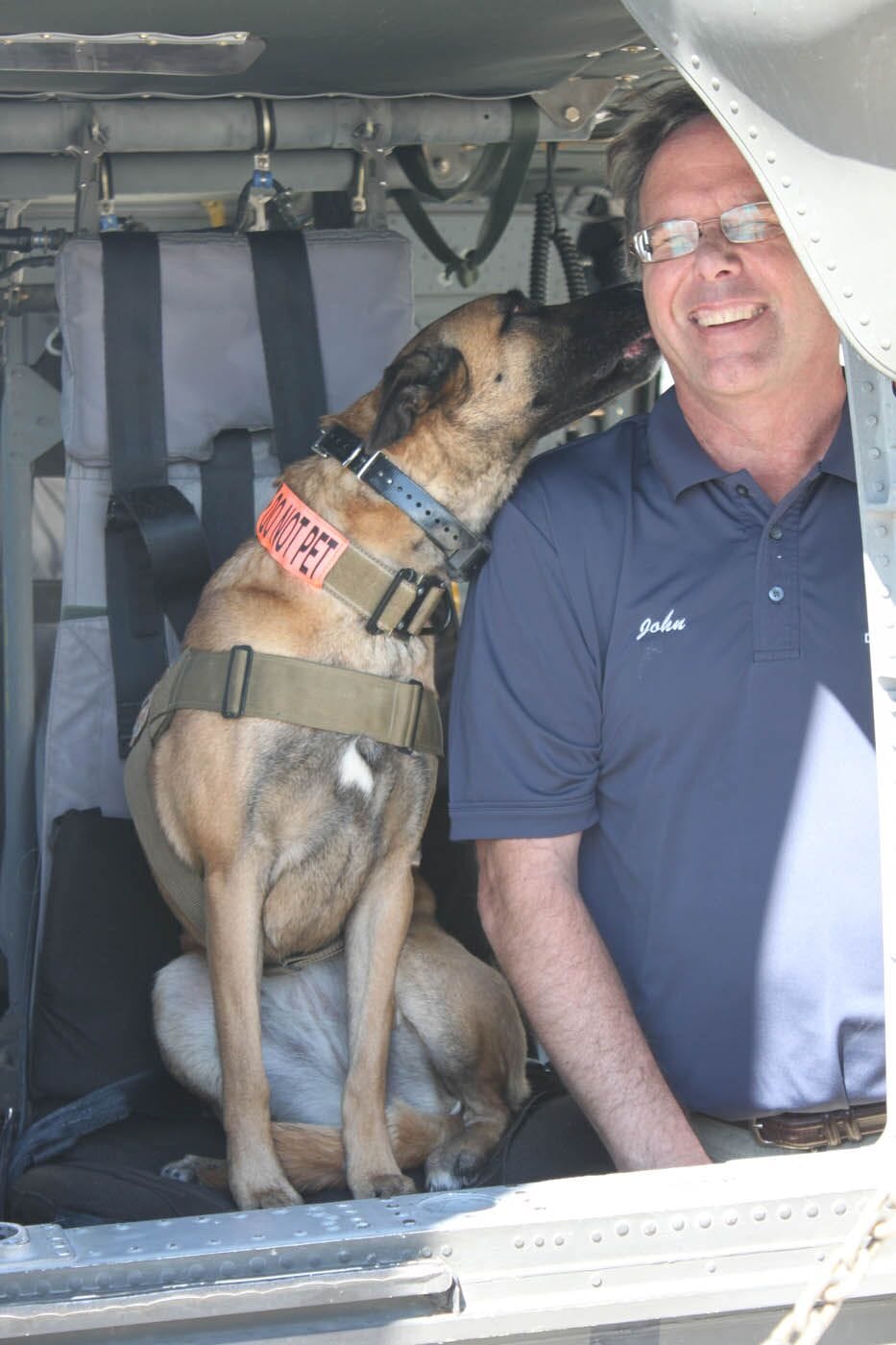
Understanding and implementing effective service dog training is crucial for ensuring these highly trained animals can perform their vital tasks. In Louisville, KY, owners and handlers have access to specialized services designed to meet the unique needs of service dog teams. This guide delves into the world of service dog training, highlighting key aspects and resources available to the Louisville community.
What is a Service Dog?
Before diving into training specifics, it’s important to clarify what constitutes a service dog. Unlike emotional support animals or therapy animals, service dogs are specifically trained to perform tasks that mitigate a person’s disability. These tasks can range from alerting a deaf handler to sounds, to retrieving dropped items for someone with mobility impairments, or even providing deep pressure therapy for individuals with anxiety or PTSD. The Americans with Disabilities Act (ADA) provides legal protections for individuals with service animals, recognizing their essential role in a person’s independence and quality of life.
The Importance of Professional Service Dog Training
While some individuals may attempt to train their own service dogs, professional training offers distinct advantages. Certified service dog trainers possess a deep understanding of canine behavior, learning theory, and the specific task-training required for service work. They are adept at identifying suitable temperaments in dogs, implementing structured training programs, and ensuring the dog is reliable in various environments. For those in Louisville seeking to train a service dog, professional guidance significantly increases the likelihood of success and ensures the dog is well-prepared for public access.
Tailored Task Training
The core of service dog training lies in teaching specific tasks that directly address the handler’s disability. This is not general obedience; it’s highly specialized. A trainer will work with the handler to identify the most beneficial tasks and develop a personalized training plan. This could involve:
- Alerting and Response: Training dogs to recognize specific sounds (doorbells, alarms) or medical episodes (seizures, diabetic alerts) and respond appropriately.
- Mobility Support: Teaching dogs to assist with balance, retrieve objects, or even help a person to stand.
- Psychiatric Support: Training dogs to interrupt self-harming behaviors, provide tactile stimulation during panic attacks, or guide handlers away from stressful situations.
This meticulous task training, often requiring hundreds of hours, is what distinguishes a service dog.
Finding Service Dog Training in Louisville, KY
Louisville, KY, offers a growing number of resources for service dog training. When seeking a trainer or program, it’s essential to look for credentials and a proven track record.
Key Considerations When Choosing a Trainer:
- Certifications: Look for trainers certified by reputable organizations. While there isn’t one single overarching certification body for service dog trainers, organizations like the Certification Council for Professional Dog Trainers (CCPDT) or the Association of Professional Dog Trainers (APDT) indicate a commitment to ethical and effective training practices. Many specialized service dog organizations also offer their own certifications.
- Experience: Inquire about their experience specifically with service dogs and the types of disabilities you are seeking assistance for.
- Training Philosophy: Ensure their training methods align with positive reinforcement and humane practices. Force-based or aversive techniques are not suitable for service dog training, as they can damage the dog’s confidence and reliability.
- Program Structure: Understand the training process, including the duration, cost, and what is covered. Does the program include public access training?
- Handler Involvement: A good service dog training program emphasizes the handler’s active role. You should be an integral part of the training process, learning how to cue, reinforce, and manage your dog.
Local Resources and Considerations:
While this guide focuses on general principles, local trainers and organizations in Louisville can provide specific insights and programs. It is always recommended to conduct thorough research on any local service. For example, if you are looking for a dog trainer for service dogs in a broader sense, starting with local searches can often yield relevant results. Similarly, searching for dog training Louisville KY can lead to trainers who may also specialize in or offer services for service dogs.
The Training Process: A Step-by-Step Overview
Service dog training is a comprehensive and lengthy process, typically taking anywhere from one to two years. It involves several distinct phases:
- Foundation Skills: This includes basic obedience, socialization, and building a strong bond between the dog and handler. Dogs must be comfortable and well-behaved in all environments.
- Public Access Training: Once foundational skills are solid, the dog is gradually introduced to public settings – stores, restaurants, public transportation – to ensure they can maintain focus and appropriate behavior around distractions. This phase is critical for the dog to be a reliable working partner.
- Task Training: This is where the specific disability-mitigating tasks are taught and refined. This phase is highly individualized based on the handler’s needs.
- Generalization and Proofing: The trained tasks must be reliable in various situations and under different conditions. A dog trained to alert for a seizure at home must also be able to do so in a busy park or a quiet library.
Challenges and Rewards
Training a service dog is a significant commitment, requiring patience, consistency, and a deep understanding of canine behavior. Challenges may arise, including unexpected behavioral issues, the dog not being a suitable candidate, or the handler facing their own health limitations. However, the rewards are immense. A well-trained service dog can dramatically improve a handler’s independence, confidence, and overall well-being, fostering a unique and profound partnership.
Building a Reliable Partner
The relationship between a service dog and handler is built on trust and clear communication. Consistent positive reinforcement, clear cueing, and understanding the dog’s body language are paramount.
- Positive Reinforcement: Using rewards such as treats, praise, and play to encourage desired behaviors is the most effective and humane approach.
- Clear Cues: Handlers learn specific verbal or hand signals to prompt their dog to perform trained tasks.
- Environmental Awareness: Both the dog and handler must learn to navigate public spaces safely and respectfully, ensuring the dog is not a hazard or nuisance to others.
Conclusion: Empowering Independence Through Service Dog Training
For residents in Louisville, KY, embarking on the journey of service dog training is a path towards enhanced independence and a better quality of life. By understanding the intricacies of service dog roles, seeking qualified professional assistance, and committing to the rigorous training process, individuals can forge life-changing partnerships with their canine companions. The dedication involved in this training is a testament to the incredible capabilities of dogs and their unparalleled ability to support human lives.
