
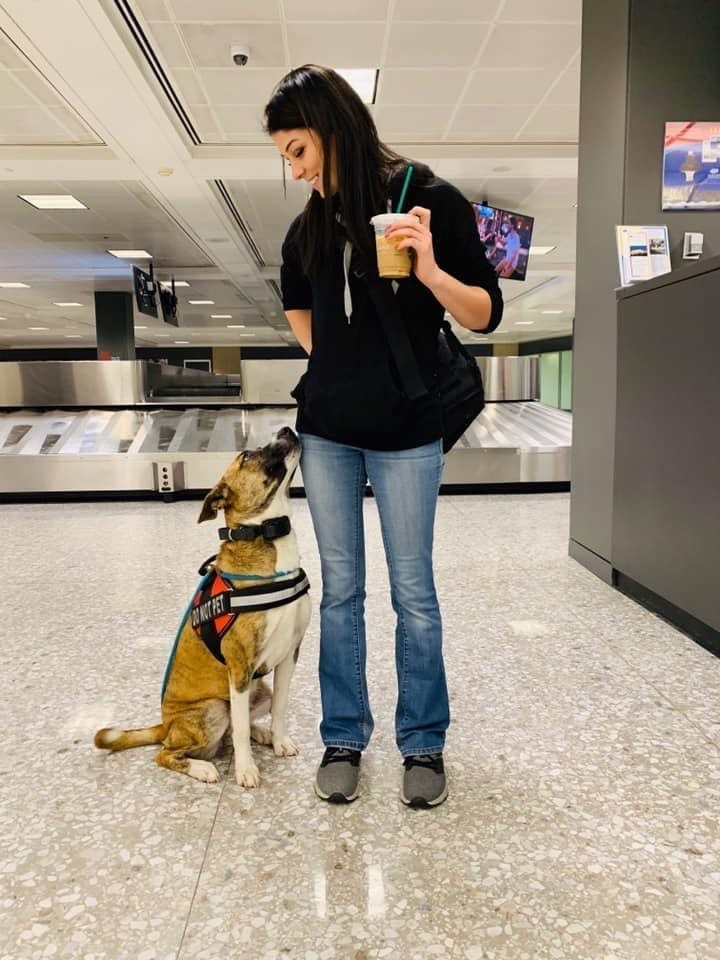
Welcoming a service dog into your life is a profound decision, offering unparalleled support and companionship. On Long Island, New York, the journey to training a service dog is one that requires expertise, dedication, and a deep understanding of both canine behavior and the specific needs of individuals with disabilities. At Dog Care Story, we are committed to providing top-tier Service Dog Training Long Island residents can rely on, ensuring these incredible animals are fully prepared to assist their handlers. The process is more than just teaching commands; it’s about building a lifelong partnership grounded in trust and clear communication.
Understanding the Role of a Service Dog
Before diving into the specifics of training, it’s crucial to understand what differentiates a service dog from a pet or emotional support animal. Service dogs are specifically trained to perform tasks that directly mitigate a handler’s disability. These tasks can range from alerting a deaf handler to sounds, to retrieving dropped objects for someone with mobility impairments, to providing deep pressure therapy for individuals with anxiety or PTSD. Unlike emotional support animals, service dogs have public access rights under the Americans with Disabilities Act (ADA), meaning they can accompany their handlers to most public places where pets are typically not allowed. This distinction highlights the rigorous training and reliability required, making specialized service dog training Long Island services essential.
Legal Definitions and Rights
The ADA clearly defines a service animal as a dog that has been individually trained to do work or perform tasks for the benefit of an individual with a disability. It’s important for handlers and trainers on Long Island to be aware of these definitions to ensure compliance and to understand the rights afforded to service dog teams. This includes understanding what questions businesses can legally ask (e.g., “Is the dog a service animal required because of a disability?” and “What work or task has the dog been trained to perform?”). Training must not only focus on the dog’s tasks but also on its behavior in public settings, ensuring it remains a non-disruptive and professional working animal.
Types of Service Dogs
Service dogs are trained for a wide array of disabilities, leading to different specializations. Some of the most common types include:
- Mobility Assistance Dogs: These dogs help individuals with physical disabilities by providing balance, retrieving objects, opening doors, and assisting with transfers.
- Hearing Dogs: Trained to alert their deaf or hard-of-hearing handlers to important sounds like doorbells, alarms, or crying babies.
- Medical Alert Dogs: These dogs are trained to detect the onset of medical episodes such as seizures, low blood sugar levels, or impending allergic reactions, often by sensing subtle changes in the handler’s body chemistry.
- Psychiatric Service Dogs (PSDs): These dogs perform tasks that help individuals with mental or psychiatric disabilities. This can include interrupting repetitive behaviors, providing deep pressure therapy during anxiety attacks, or reminding handlers to take medication.
- Seizure Response Dogs: While not all seizure dogs are trained to alert, seizure response dogs are trained to assist their handler during and after a seizure.
Each type requires a distinct set of training protocols, emphasizing the need for experienced trainers in service dog training Long Island programs.
The Service Dog Training Process on Long Island
Training a service dog is a marathon, not a sprint. It involves several distinct phases, often spanning 18-24 months, depending on the dog and the tasks required. Our approach at Dog Care Story is methodical, positive, and tailored to each dog-handler team.
Phase 1: Foundation and Socialization (Puppyhood to 6-8 months)
This crucial initial phase focuses on building a strong bond between the dog and its handler, along with extensive socialization and basic obedience.
- Early Socialization: Exposing the puppy to a wide variety of sights, sounds, people, environments, and other animals in a positive and controlled manner is paramount. This helps the puppy grow into a confident and well-adjusted adult dog, essential for a service animal that will navigate diverse public spaces. We focus on ensuring puppies on Long Island encounter everything from busy streets and shopping malls to quiet parks and different modes of transportation.
- Basic Obedience: Mastering commands such as sit, stay, come, down, and loose-leash walking forms the bedrock of reliable behavior. Positive reinforcement methods are used to ensure the dog learns enthusiastically and willingly.
- Introduction to Task-Related Concepts: Even at this early stage, we begin introducing concepts related to potential future tasks, such as object recognition or cue differentiation, in a playful manner.
Phase 2: Advanced Obedience and Task Training (8 months to 18 months)
Once the dog has a solid foundation, the training intensifies, focusing on reliability and specific task acquisition.
- Proofing Obedience: Commands are practiced in increasingly distracting environments. The goal is for the dog to respond reliably regardless of the external stimuli, a critical skill for a working dog. This includes training in various locations across Long Island, from crowded beaches to quiet libraries.
- Task Specific Training: This is where the dog learns the specialized tasks required for its handler’s disability. This phase is highly individualized and depends on the needs of the handler. For instance, a hearing dog might learn to differentiate between various household sounds, while a mobility dog would practice retrieving specific items or bracing.
- Public Access Training: This involves teaching the dog to behave impeccably in public. This includes not being reactive to other animals or people, maintaining a calm demeanor, and understanding boundaries in crowded or confined spaces. We conduct extensive training sessions in Long Island’s various commercial areas, public transport, and recreational facilities.
Phase 3: Generalization and Graduation (18 months to 24 months)
The final phase ensures the dog can perform its tasks reliably in any environment and under any circumstances.
- Generalization: Ensuring the dog can perform all trained tasks and obedience commands in new and unfamiliar environments. This might involve training in different towns on Long Island or even traveling to neighboring areas.
- Handler Training: A significant part of the process involves training the handler on how to effectively cue the dog, read its body language, maintain its training, and manage public access scenarios. A strong handler-dog team is the ultimate goal.
- Final Evaluation: A comprehensive assessment evaluates the dog’s performance in obedience, task work, and public access manners. Once the dog and handler team successfully pass, they officially graduate.
Why Choose Professional Service Dog Training on Long Island?
While some handlers may attempt to train their own service dogs, the complexity and legal implications often make professional guidance invaluable.
Expertise and Experience
Professional trainers have a deep understanding of canine behavior, learning theory, and the specific requirements for service dogs. They know how to identify dogs with the right temperament and drive for this demanding work and how to troubleshoot challenges that inevitably arise. Programs like ours offer structured curricula that cover all necessary areas, ensuring no critical skills are overlooked. For those seeking service dog training Long Island has to offer, choosing a reputable program means partnering with experts.
Tailored Training Programs
Every disability and every dog is unique. Professional trainers can assess the specific needs of the handler and the individual strengths and weaknesses of the dog to create a customized training plan. This ensures the dog is trained for the exact tasks it needs to perform, maximizing its effectiveness and the handler’s independence.
Navigating Public Access and Legalities
Understanding and navigating the ADA and state/local laws regarding service dogs can be challenging. Professional trainers can equip handlers with the knowledge and confidence to handle public access situations, including potential misunderstandings or challenges from businesses. This aspect of training is often as critical as the task training itself.
Ensuring Reliability and Safety
The safety and well-being of the handler, the public, and the dog are paramount. Professional training emphasizes reliability under pressure, ensuring the dog is a safe and dependable partner. This includes training the dog to avoid distractions and to respond appropriately in all situations.
Finding the Right Service Dog Trainer on Long Island
When searching for a service dog training Long Island provider, consider the following:
- Credentials and Affiliations: Look for trainers who are certified by recognized organizations or affiliated with reputable service dog training schools.
- Training Philosophy: Ensure their methods align with positive reinforcement and ethical training practices. Avoid trainers who use harsh or punitive methods.
- Experience with Specific Disabilities: If you have a specific disability, inquire about the trainer’s experience working with clients and dogs for similar needs.
- Transparency: A good trainer will be transparent about their training process, timelines, costs, and success rates.
- Handler Involvement: The best programs involve the handler extensively in the training process, fostering a strong team dynamic.
The Future of Service Dogs on Long Island
As awareness and understanding of service dogs grow, so does the demand for highly trained canine partners. Dog Care Story is dedicated to meeting this need on Long Island, empowering individuals with disabilities to live more independent and fulfilling lives through the assistance of their service dogs. We are passionate about the human-animal bond and believe in the transformative power of well-trained service dogs. Our commitment extends beyond training to supporting these teams throughout their working lives, ensuring the continued success and well-being of every service dog and handler partnership.
