
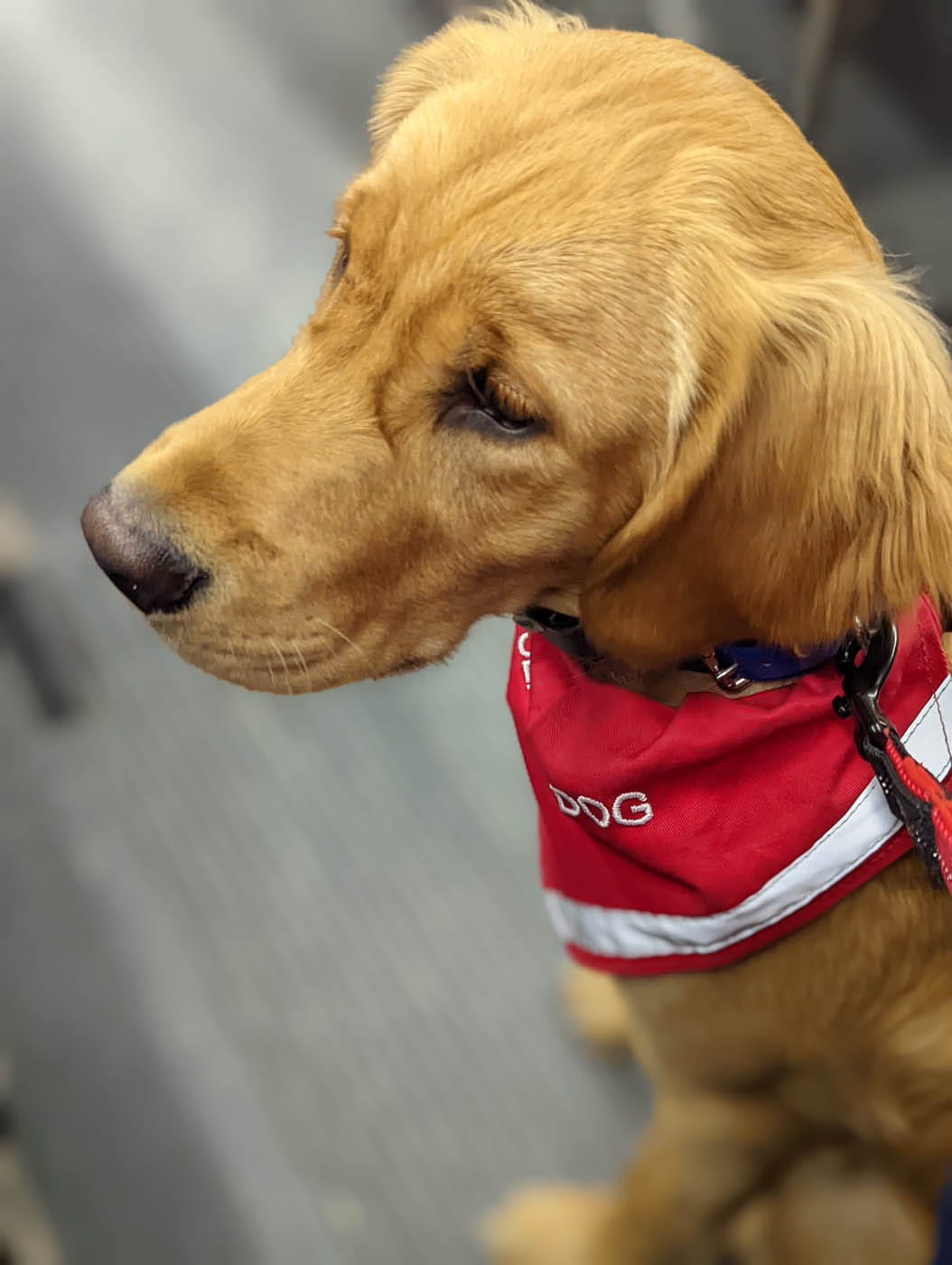
Welcome to the heart of understanding and implementing professional service dog training. Whether you’re in the vibrant Kansas City area or anywhere across Kansas, the journey to a well-trained service dog is deeply rewarding, offering companionship, invaluable assistance, and a unique bond. This comprehensive guide dives into the world of service dog training, covering everything from understanding what makes a service dog unique to finding the right training programs and ensuring your canine partner is a true asset. We’ll explore the nuances of training, the legal aspects, and the profound impact these incredible animals have on the lives they touch.
Understanding the Role of a Service Dog
Before embarking on any training, it’s crucial to understand what distinguishes a service dog from a therapy dog or an emotional support animal. Service dogs are specifically trained to perform tasks that directly assist individuals with disabilities. These tasks can range widely, from guiding a visually impaired person to alerting a deaf individual to sounds, to retrieving objects for someone with mobility issues, or even providing deep pressure therapy for individuals with anxiety or PTSD. The Americans with Disabilities Act (ADA) defines these working animals and outlines their public access rights. Unlike other assistance animals, service dogs have specific legal protections allowing them to accompany their handlers in most public places where pets are typically forbidden. This distinction is vital when considering training and public integration.
Key Differences: Service Dog vs. Therapy Dog vs. ESA
- Service Dog: Trained to perform specific tasks for a person with a disability. Legally protected under the ADA for public access.
- Therapy Dog: Provides comfort and affection to people in hospitals, nursing homes, schools, and disaster areas. Does not have public access rights.
- Emotional Support Animal (ESA): Provides comfort through companionship to a person with a mental or emotional disability. Does not require specific task training and has limited legal protections compared to service dogs.
The Foundation: Early Socialization and Basic Obedience
The cornerstone of any successful service dog training program lies in robust early socialization and foundational obedience. From a young age, puppies destined for service work need exposure to a wide variety of sights, sounds, people, and environments. This controlled exposure helps them develop into confident, well-adjusted adults, unfazed by the complexities of the world they will navigate. Basic obedience commands such as ‘sit,’ ‘stay,’ ‘come,’ and ‘down’ are not merely for good manners; they are the building blocks for more complex trained behaviors. Mastering these commands in various distracting environments is paramount. We emphasize a positive reinforcement approach, as this builds trust and a willingness to work, essential for a service dog’s career. For those in the Kansas City area, exploring options like dog training kansas city can provide a strong starting point for these fundamental skills.
Specialized Task Training: The Core of Service Dog Work
Once basic obedience is solid, the specialized task training begins. This is where the dog learns to perform the specific actions tailored to their handler’s disability. This training is highly individualized and requires patience, consistency, and a deep understanding of canine behavior. Trainers work closely with handlers to identify needs and devise training plans.
Examples of Service Dog Tasks:
- Mobility Support: Assisting with balance, retrieving dropped items, opening and closing doors.
- Medical Alert: Detecting changes in a handler’s medical condition, such as blood sugar fluctuations or impending seizures.
- Psychiatric Support: Interrupting self-harm behaviors, providing deep pressure therapy, reminding handlers to take medication, or guiding handlers out of stressful situations.
- Sensory Assistance: Alerting handlers to sounds (doorbell, alarm), guiding visually impaired handlers.
This level of specialized training can take a significant amount of time, often 1-2 years or more, depending on the complexity of the tasks and the dog’s aptitude.
Finding Reputable Service Dog Training Programs
Choosing the right training program is a critical decision. In Kansas and the surrounding regions, several excellent options exist, ranging from non-profit organizations to private professional trainers. When evaluating programs, consider the following:
- Trainer Experience and Credentials: Look for trainers with proven experience specifically in service dog training. Certifications from reputable organizations can be a good indicator, but hands-on experience and testimonials are equally important. Consider resources like certification in dog training to understand what qualifications to look for.
- Training Philosophy: Does the program use positive reinforcement methods? Aversive techniques are generally discouraged for service dogs as they can lead to anxiety and behavioral issues.
- Program Structure: Understand the curriculum, duration, and what support is provided to handlers throughout and after training.
- Success Rate and Placement: Inquire about their success rates in placing dogs and the long-term outcomes for their graduates.
For those near Wichita, searching for dog training in wichita ks can lead you to trainers who may offer specialized service dog programs or can guide you to appropriate resources.
Public Access Training: Navigating the World
A crucial component of service dog training is public access. This involves teaching the dog to behave impeccably in public settings, regardless of distractions. This means the dog must remain calm in crowded places, ignore food on the floor, not solicit attention from strangers, and generally be unobtrusive. Training for public access is ongoing and requires consistent practice. It’s not just about the dog’s behavior, but also about the handler’s ability to manage their dog effectively in any environment. This aspect is vital for successful integration and ensuring the public’s positive perception of service dogs.
The Handler’s Role: A Partnership in Training
Service dog training is a partnership. The handler plays an active role, learning to communicate effectively with their dog, reinforce trained behaviors, and manage their dog’s needs. The bond between a handler and their service dog is built on mutual trust and understanding, cultivated through consistent training and shared experiences. This partnership is key to the success of the service dog team.
Legal Considerations and Handler Rights
Understanding your rights and responsibilities as a service dog handler is essential. The ADA provides broad access rights, but it’s important to be aware of specific state and local regulations, especially concerning leash laws and specific venue policies. While businesses can ask two questions – (1) Is the dog a service animal required because of a disability? and (2) What work or task has the dog been trained to perform? – they cannot ask about the person’s disability or demand documentation. It’s also important to note that handlers are responsible for their service dog’s behavior and hygiene.
Specific Training Needs in Kansas
Whether you’re in the heart of Kansas City or the plains of western Kansas, access to quality training is key. For those seeking specialized assistance like therapy dog training kansas city or potentially even more specific service dog roles, reaching out to local reputable organizations is the best first step. Similarly, if you are located further west, looking into options like dog training manhattan ks might connect you with trainers who can either directly assist or refer you to specialized service dog trainers in the region.
Conclusion: The Journey of a Service Dog
The path to a fully trained service dog is one of dedication, patience, and profound connection. It’s about transforming a canine companion into an indispensable partner, enhancing independence and quality of life for individuals with disabilities. From the initial stages of socialization and basic obedience to the complex intricacies of task-specific training and public access, each step is vital. By understanding the roles, seeking out reputable training, and embracing the handler-dog partnership, you embark on a journey that is as fulfilling as it is life-changing. The commitment to quality service dog training ensures these remarkable animals can continue their essential work across Kansas and beyond.
