
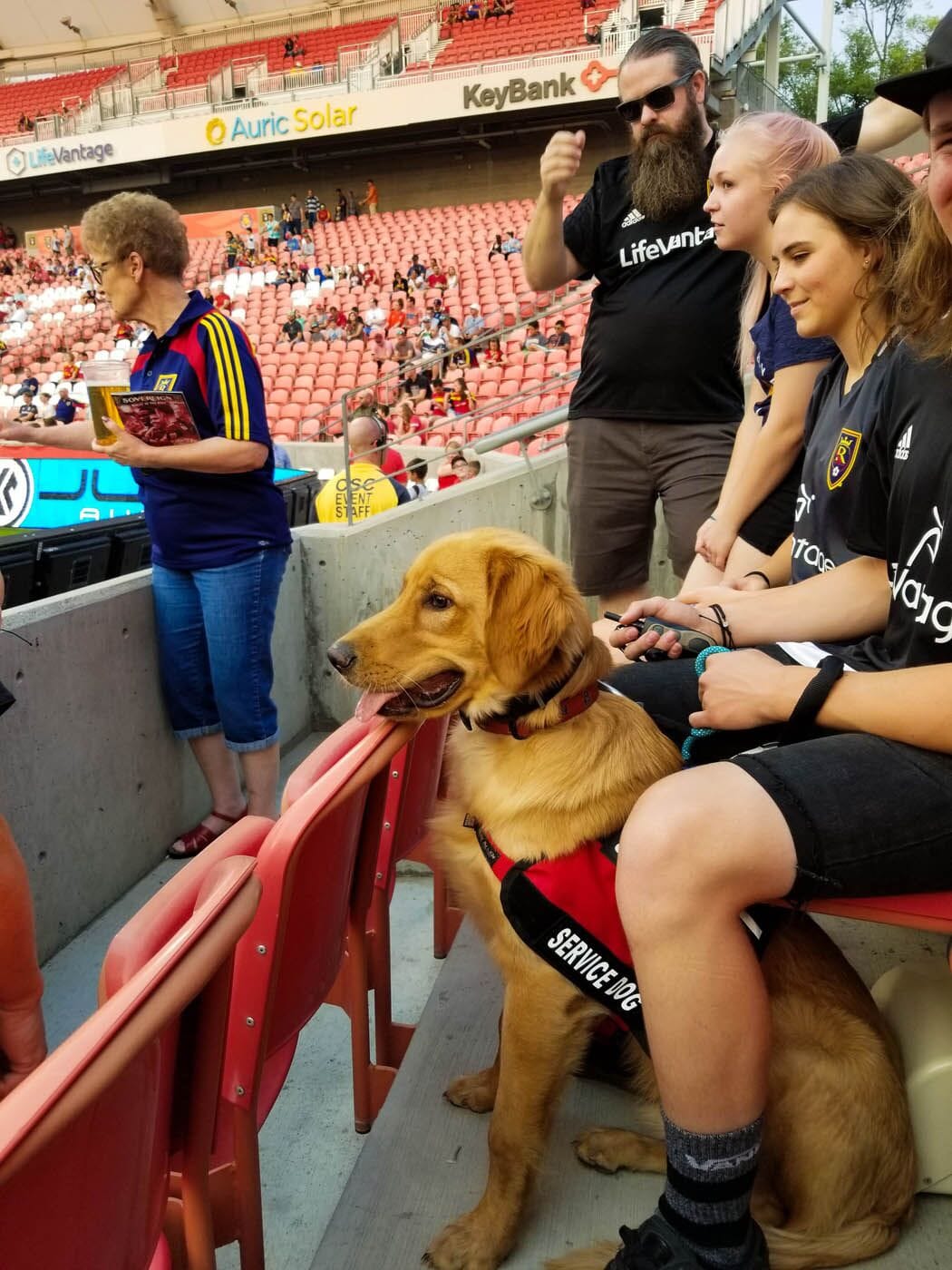
Are you looking for top-notch service dog training in Pittsburgh, PA? Finding the right trainer is crucial for ensuring your service dog is well-behaved, reliable, and capable of assisting you effectively. This guide delves into what makes a service dog training program successful, what to look for in a trainer, and the benefits of professional training for both you and your canine partner. We’ll explore the unique needs of service dogs and how dedicated training in Pittsburgh can make a significant difference in your life.
Understanding Service Dogs and Their Training Needs
Service dogs are not just pets; they are highly trained working animals that perform specific tasks to mitigate a disability for their handler. This unique role demands a rigorous training regimen that goes far beyond basic obedience. The training must instill reliability, focus, and a deep understanding of complex commands tailored to the handler’s specific needs.
What is a Service Dog?
In the United States, under the Americans with Disabilities Act (ADA), a service animal is defined as a dog that has been individually trained to do work or perform tasks for the benefit of an individual with a disability. This can include a wide range of disabilities, from mobility impairments and hearing loss to psychiatric conditions and seizure disorders. Emotional support animals, therapy animals, and comfort animals are not considered service animals under the ADA.
Essential Tasks Service Dogs Perform
Service dogs are trained for a variety of tasks, such as:
- Mobility Assistance: Retrieving dropped items, opening doors, providing balance support, and assisting with transfers.
- Medical Alert: Detecting and alerting handlers to changes in their medical condition, such as impending seizures, low blood sugar, or allergic reactions.
- Psychiatric Support: Providing deep pressure therapy, interrupting self-harming behaviors, cueing medication, and offering a calming presence during distress.
- Hearing Assistance: Alerting handlers to sounds like doorbells, smoke alarms, or a crying baby.
- Vision Impairment Assistance: Guiding handlers around obstacles and through unfamiliar environments.
The training for these tasks is highly specialized and requires patience, consistency, and expert knowledge of canine behavior.
Choosing a Reputable Service Dog Trainer in Pittsburgh
Selecting the right service dog trainer is a critical decision. A qualified trainer will not only teach your dog the necessary skills but also guide you in building a strong partnership. Here’s what to consider when looking for service dog training in Pittsburgh, PA:
Qualifications and Experience
- Specialized Training: Look for trainers who explicitly specialize in service dog training. This is distinct from general obedience or therapy dog training.
- Certifications: While not legally mandated, certifications from reputable organizations can indicate a trainer’s commitment to professional standards. Examples include the Certification Council for Professional Dog Trainers (CCPDT) or the Association of Professional Dog Trainers (APDT).
- Experience with Specific Disabilities: If possible, choose a trainer with experience working with individuals with disabilities similar to yours. They will better understand the unique challenges and task-training requirements.
- References and Testimonials: Ask for references from past clients, particularly those with service dogs, and check online reviews.
Training Philosophy and Methods
- Positive Reinforcement: Ethical and effective service dog trainers primarily use positive reinforcement methods. This involves rewarding desired behaviors, making training a positive experience for the dog, and fostering a strong bond between dog and handler. Avoid trainers who rely on harsh corrections or punishment-based methods.
- Individualized Training Plans: Each handler-dog team is unique. A good trainer will assess your needs and your dog’s temperament to create a customized training plan.
- Handler Involvement: Service dog training is a team effort. Expect the trainer to involve you heavily in the training process, teaching you how to cue behaviors, reinforce commands, and manage your dog in public.
Legal and Ethical Considerations
- Understanding of ADA Laws: A professional trainer should be knowledgeable about the ADA and the rights and responsibilities of service dog handlers.
- Transparency: The trainer should be transparent about their training methods, fees, program duration, and what outcomes you can expect.
Key Components of Service Dog Training Programs
A comprehensive service dog training program typically includes several phases, focusing on different aspects of the dog’s development and preparedness:
1. Foundational Obedience and Socialization
This is the bedrock of all dog training. Before specialized tasks can be taught, the dog must have a solid grasp of basic obedience commands (sit, stay, come, down, heel) and be thoroughly socialized to a wide variety of environments, people, and other animals. This ensures the dog is well-mannered and comfortable in public settings.
2. Public Access Skills Training
This is a crucial component for service dogs. Training focuses on ensuring the dog remains calm, focused, and unobtrusive in public places, such as stores, restaurants, and public transportation. This includes:
- Ignoring distractions (food, other animals, people).
- Walking politely on a loose leash.
- Settling quietly under tables or chairs.
- Pottying only in designated areas.
3. Task-Specific Training
This is where the dog learns the unique tasks required to mitigate the handler’s disability. This training is highly individualized and can take months or even years to perfect, depending on the complexity of the tasks. Trainers work closely with handlers to identify and train these specific skills.
4. Handler Training
Service dog training isn’t just about the dog; it’s also about training the handler. You will learn how to:
- Communicate effectively with your dog.
- Reinforce learned behaviors.
- Manage your dog in various situations.
- Understand your dog’s body language and stress signals.
- Advocate for your rights as a service dog handler.
Benefits of Professional Service Dog Training in Pittsburgh
Investing in professional service dog training offers numerous advantages:
- Increased Reliability: Professionally trained dogs are more likely to be reliable and consistent in their tasks, providing dependable assistance.
- Enhanced Handler Confidence: Knowing your dog is well-trained can significantly boost your confidence in public and in your ability to manage your disability independently.
- Stronger Bond: The training process, especially when using positive methods, strengthens the bond and communication between you and your dog.
- Legal Protection: A well-trained service dog is less likely to cause problems in public, reducing the risk of issues related to access rights.
- Improved Quality of Life: Ultimately, a well-trained service dog can dramatically improve a handler’s independence, safety, and overall quality of life.
Finding Service Dog Training Near You in Pittsburgh
When searching for service dog training in Pittsburgh, PA, consider these local resources and approaches:
- Specialized Training Facilities: Look for organizations in the Pittsburgh area that specifically advertise service dog training programs. Some may have waiting lists, so inquire early.
- Individual Dog Trainers: Many experienced dog trainers in Pittsburgh offer service dog training. Ensure they have the specialized knowledge and experience required. You can often find them through local veterinary clinics, dog-friendly businesses, or online directories.
- Non-Profit Organizations: Some non-profit organizations focus on training and placing service dogs. While they may have their own placement processes, they can sometimes offer referrals or advice.
Questions to Ask Potential Trainers
Before committing to a trainer, schedule a consultation and ask pertinent questions:
- What is your experience specifically with training service dogs for [your specific disability]?
- What training methods do you use? Can you explain them?
- What is the typical duration of your service dog training program?
- What are your fees, and what do they include?
- What are your policies regarding cancellations or missed sessions?
- Can you provide references from clients with service dogs?
- How do you involve the handler in the training process?
- What are your views on public access rights and ADA laws?
The “Paw and Order” Approach to Training
For those seeking a structured and effective approach to service dog training, programs like those found at paw and order dog training pittsburgh emphasize a comprehensive curriculum. These programs often focus on building a strong foundation of obedience and manners before progressing to advanced task training. The emphasis is on creating a reliable working partner through clear communication and positive reinforcement, ensuring both the dog and handler are well-prepared for the responsibilities of a service animal team.
Considering Service Dog Training Pittsburgh
When you begin your search for a training partner in the Pittsburgh area, remember that the journey to a fully trained service dog is a commitment. It requires dedication, patience, and the right professional guidance. By carefully considering your options and choosing a trainer who aligns with your values and needs, you can pave the way for a successful partnership with a highly capable service dog, enhancing your independence and enriching your life in countless ways.
Frequently Asked Questions About Service Dog Training in Pittsburgh
Q1: How long does it take to train a service dog?
A1: The training process typically takes anywhere from 1 to 2 years, sometimes longer, depending on the dog’s age, breed, temperament, and the complexity of the tasks required.
Q2: Can I train my own service dog?
A2: Yes, the ADA allows individuals to train their own service dogs. However, it requires significant expertise, time, and consistency. Professional guidance is often recommended to ensure the dog meets the high standards required.
Q3: What are the legal requirements for service dogs in Pittsburgh?
A3: Service dogs are governed by federal laws (ADA) and sometimes state and local regulations. In general, they must be harnessed or leashed and under the handler’s control at all times. Businesses can only ask two questions: (1) Is the dog a service animal required because of a disability? and (2) What work or task has the dog been trained to perform?
Q4: What is the difference between a service dog and an emotional support animal (ESA)?
A4: Service dogs are trained to perform specific tasks to assist a person with a disability. ESAs provide comfort and companionship but are not task-trained and do not have the same public access rights as service dogs under the ADA.
Q5: How do I know if my dog is suitable for service dog training?
A5: Suitability depends on temperament, health, and trainability. Ideal candidates are typically confident, not easily startled, eager to please, and possess good health. A professional trainer can help assess your dog’s potential.
Q6: What costs are involved in service dog training?
A6: Costs can vary widely. Professional training programs can range from a few thousand to tens of thousands of dollars. Factors include the trainer’s fees, program duration, and any associated costs for equipment or vet care.
Q7: Can any breed be a service dog?
A7: While many breeds can be trained as service dogs, some breeds are more commonly chosen due to their temperament, size, and trainability. However, the individual dog’s temperament and training ability are more important than breed alone.
In conclusion, embarking on the journey of service dog training in Pittsburgh, PA, is a significant step towards greater independence and a higher quality of life. With the right trainer and a dedicated approach, you and your canine partner can achieve remarkable things together.
