
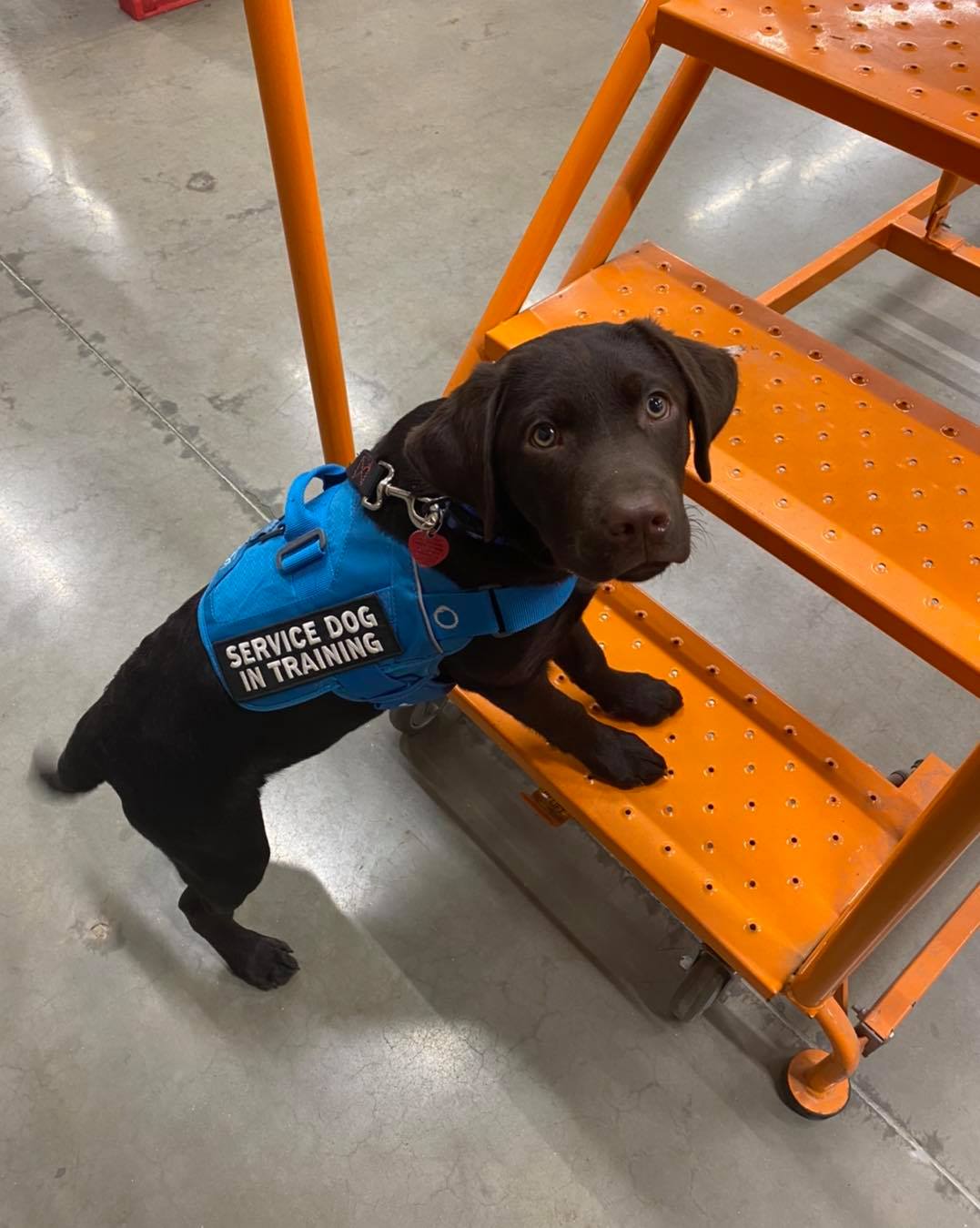
Finding reliable information on Service Dog Training In Maine can feel like navigating a dense forest. For individuals with disabilities, a service dog is not just a companion but a lifeline, providing independence and support. This guide will illuminate the path, covering everything from legal definitions and training options to finding the right program in the Pine Tree State. Whether you’re starting this journey for yourself or a loved one, understanding the process is the first step toward a transformative partnership.
Understanding What Defines a Service Dog in Maine
Before diving into training, it’s crucial to understand what a service dog is. Under the Americans with Disabilities Act (ADA), a service animal is a dog that is individually trained to do work or perform tasks for a person with a disability. It’s this specific, task-oriented training that separates a service dog from an emotional support animal or therapy dog.
Maine state law aligns with the ADA. This means a service dog is recognized by the job it performs, not by a vest, ID card, or specific breed. The tasks must be directly related to the handler’s disability. For example, a dog might be trained to guide a person who is blind, alert a person who is deaf, pull a wheelchair, or remind a person with a mental illness to take prescribed medications. The foundation of this work begins with a solid understanding of basic obedience dog training commands, which serve as the building blocks for more complex tasks.
Navigating Service Dog Training Options in Maine
Once you have a clear understanding of a service dog’s role, the next step is training. In Maine, there are two primary pathways you can take: working with a professional organization or undertaking the training yourself.
Professional Training Organizations
Several organizations specialize in training service dogs. These programs typically breed dogs for temperament and health, raise them in puppy-raiser homes, and then provide intensive, specialized training.
- Pros: The dog receives expert training from seasoned professionals. These organizations have a deep understanding of public access requirements and task training. They also provide ongoing support for the handler and the dog.
- Cons: The cost can be substantial, often ranging from $20,000 to $50,000. Additionally, there are often long waiting lists, sometimes spanning several years.
Finding the right local program is key. While some handlers look for general options, others may need a more localized approach, such as seeking specialized dog training portland maine to ensure they have accessible, hands-on support.
The Path of Owner-Training
The ADA allows individuals with disabilities to train their own service dogs. This is a popular option for many, as it can be more affordable and allows the handler to form a bond with their dog from the very beginning.
- Pros: Owner-training is significantly less expensive and gives the handler complete control over the training process. The bond between the dog and handler can be incredibly strong, as they learn and grow together.
- Cons: It requires an immense amount of time, dedication, and knowledge. The handler is responsible for everything from basic obedience to advanced tasking and ensuring the dog is impeccably behaved in public. It can be a challenging and sometimes overwhelming journey.
Many owner-trainers choose to work with a private professional dog trainer to guide them. This hybrid approach offers the benefits of owner-training with the support and expertise of a professional. When seeking a trainer, it’s wise to look into their credentials, such as a certified professional dog trainer certification, to ensure they have a recognized standard of knowledge and ethics.
The Core Components of the Training Process
Service dog training is a multi-layered process that typically takes 18 to 24 months. It goes far beyond simple commands like “sit” and “stay.” The training is broken down into several essential phases.
Foundational Obedience and Manners
This is the bedrock of all service dog work. The dog must be completely reliable and under the handler’s control at all times. This includes mastering leash skills, which is why a solid understanding of how to train a dog on a leash is non-negotiable from day one. Key skills include a rock-solid heel, stay, come, and leave it. The dog must not show any signs of aggression, excessive barking, or reactivity.
Public Access Skills
A service dog must be able to accompany its handler anywhere the public is allowed. This requires extensive training to ensure the dog is calm and unobtrusive in a variety of environments, such as grocery stores, restaurants, and public transportation. The dog must learn to ignore distractions like loud noises, crowds, other animals, and food on the floor. It must remain focused on its handler, ready to perform its tasks.
“Many people underestimate the commitment required for service dog training,” notes Dr. Alistair Finch, a specialist in canine behavior. “It’s not just about teaching tasks; it’s about forging an unbreakable bond of trust and reliability that can stand up to the pressures of public life. In Maine, where community is key, finding a local trainer who understands both the dog and the handler is crucial for success.”
Disability-Specific Task Training
This is the most customized part of the training. The tasks are tailored to mitigate the handler’s specific disability. Examples include:
- For mobility assistance: Retrieving dropped items, opening doors, or providing balance support.
- For hearing alerts: Alerting the handler to sounds like a doorbell, smoke alarm, or their name being called.
- For psychiatric support: Performing deep pressure therapy to calm a panic attack, interrupting repetitive behaviors, or creating space for the handler in a crowd.
Teaching these behaviors requires patience, consistency, and a deep understanding of canine learning theory. Knowing the most important commands to teach dog provides a strong base before moving on to these highly specialized and life-altering tasks.
Maine Service Dog Laws: What You Need to Know
In Maine, service dog rights are protected under both the federal ADA and the Maine Human Rights Act. Here are the key points handlers should know:
- Public Access: A service dog and its handler have the right to access any public place, including businesses, government facilities, and non-profits that serve the public.
- Questioning: Staff are only allowed to ask two questions: (1) Is the dog a service animal required because of a disability? and (2) What work or task has the dog been trained to perform? They cannot ask about the person’s disability, require medical documentation, or ask for a special identification card.
- No Extra Fees: Businesses cannot charge a pet fee for a service dog. However, the handler is responsible for any damage caused by the dog.
- Control: The handler must have control of the service dog at all times. The dog should be on a harness, leash, or tether unless the handler is unable to use one because of their disability or it would interfere with the dog’s task.
It is a civil infraction in Maine for a person to misrepresent a pet as a service animal. This law helps protect the rights of legitimate service dog teams and ensures businesses maintain trust in the system.
Frequently Asked Questions (FAQ)
How much does service dog training cost in Maine?
The cost varies greatly. Obtaining a fully trained dog from an organization can cost $20,000 or more. Owner-training with the help of a private trainer is often more affordable, with costs typically ranging from a few thousand to several thousand dollars over the course of the training period, depending on the trainer’s rates and the intensity of the program.
Can I train my own service dog in Maine?
Yes, under the ADA and Maine state law, you have the right to train your own service dog. However, it is a significant responsibility that requires extensive knowledge, skill, and commitment. Many owner-trainers work with a professional for guidance.
What is the difference between a service dog and an emotional support animal in Maine?
A service dog is trained to perform specific tasks to mitigate a person’s disability and has public access rights. An emotional support animal (ESA) provides comfort and companionship but is not trained for specific tasks. ESAs do not have the same public access rights as service dogs.
Do service dogs in Maine need certification or registration?
No. There is no official government registry or certification for service dogs in the United States. Vests and ID cards are sold online, but they do not confer any legal status. The dog’s legal standing is based solely on its specialized training to perform tasks for a person with a disability.
What breeds are best for service dog work?
While Labrador Retrievers, Golden Retrievers, and German Shepherds are common, any breed of dog can be a service dog. The most important factors are the individual dog’s temperament, health, intelligence, and willingness to work. The dog must be calm, confident, and not easily startled.
Your Journey Forward
Embarking on the path of service dog training in Maine is a journey of dedication, partnership, and empowerment. Whether you choose to work with a program or train your own canine partner, the result is a unique bond that enhances independence and changes lives. By understanding the laws, training requirements, and available resources, you are setting yourself up for success. This journey requires patience and perseverance, but the support of a loyal, highly trained service dog is a reward beyond measure.
