
Living with epilepsy or a seizure disorder presents unique challenges, but the support of a trained service dog can profoundly enhance safety, independence, and overall quality of life. These highly trained canine companions are specifically educated to recognize and respond to a person’s seizure activity, offering invaluable assistance in critical moments. This guide delves into the world of Service Dog Training For Seizures, exploring what makes these dogs so effective, how they are trained, and what to expect when partnering with one.
The journey to a trained seizure response service dog involves specialized training that goes far beyond basic obedience. These dogs are taught to perform a variety of tasks tailored to the needs of individuals experiencing seizures. This can include alerting their handler before a seizure occurs, providing physical support during a seizure, or seeking help from others if needed. The bond between a handler and their service dog is a testament to the incredible capabilities of dogs and the power of dedicated training.
Understanding Seizure Response Dogs
Seizure response dogs, often referred to as epilepsy alert dogs or seizure alert dogs, are not typically trained to predict seizures before they happen. Instead, their training focuses on responding to the seizure event itself or its immediate aftermath. This crucial distinction is important for managing expectations and understanding the dog’s role. While some dogs may develop an uncanny ability to sense an oncoming seizure due to subtle physiological changes in their handler, this is not a trainable skill that can be guaranteed. The primary function is to provide immediate support and safety during and after a seizure.
The tasks a seizure response dog can be trained to perform are vital for handler safety and well-being:
- Disruption Alert: This involves interrupting a seizure in progress if the handler is in a dangerous situation, such as near stairs or in a bathtub. The dog might be trained to bark, nudge, or physically block the handler from harm.
- Post-Seizure Support: After a seizure, a handler may experience disorientation, fatigue, or confusion. The dog can be trained to retrieve medication, a phone, or water, and to provide comfort through licking or resting its head on the handler.
- Seeking Assistance: In more severe cases, the dog can be trained to alert other household members or even go outside to find help.
- Medical Alert: While not their primary function, some dogs can be trained to alert their handler to take medication at specific times, which can be a crucial part of seizure management.
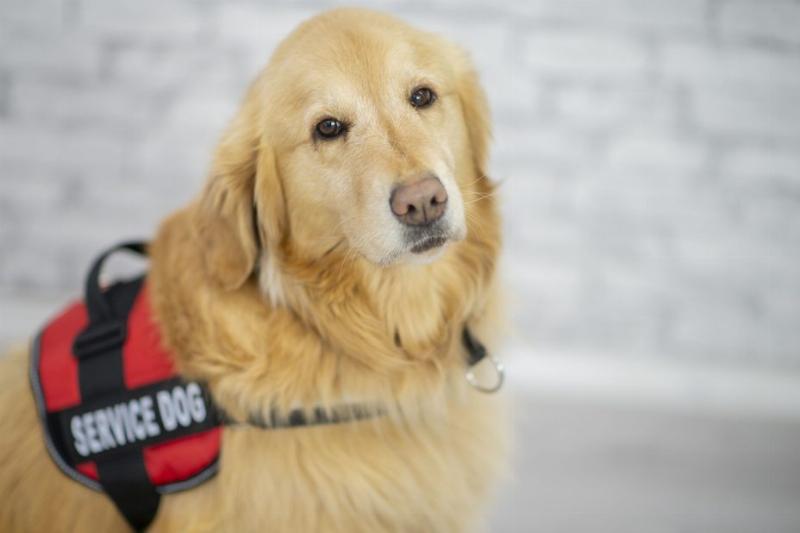 Highly trained service dog providing comfort and support to its owner during a seizure event, showcasing a deep bond.
The Training Process: From Puppy to Partner
The process of training a service dog for seizure response is rigorous, time-consuming, and requires immense dedication from both the dog and its trainers. It typically begins with selecting dogs with the right temperament and aptitude for service work. Not all dogs are suited for this demanding role; they need to be intelligent, calm under pressure, eager to please, and possess a strong work ethic.
Foundational Training
The initial stages focus on building a strong foundation of obedience and socialization. This includes:
- Basic Obedience: Commands like “sit,” “stay,” “come,” and “down” are mastered.
- Socialization: Exposing the puppy to a wide variety of environments, sounds, people, and other animals is critical to ensure they are comfortable and confident in public spaces.
- House Training and Crate Training: Essential for any dog, especially one that will accompany its handler everywhere.
- Public Access Skills: Learning to behave appropriately in public, such as walking calmly on a leash, not soliciting attention from strangers, and remaining quietly at their handler’s side.
Specialized Task Training
Once the foundational training is solid, the focus shifts to the specific tasks required for seizure response. This phase is highly individualized, as the tasks are tailored to the handler’s specific needs and seizure patterns.
- Simulating Seizures: Trainers often work with handlers or use simulated scenarios to teach the dog how to respond. This might involve the handler acting out seizure behaviors, allowing the dog to practice its programmed responses.
- Task-Specific Cues: The dog learns to recognize specific cues that indicate a seizure is occurring or has just occurred. This could be a change in the handler’s body language, scent, or even vocalizations.
- Retrieve and Comfort Tasks: Training the dog to fetch specific items like medication, a phone, or a weighted blanket. Providing comfort often involves nudging, licking, or resting on the handler.
- Seeking Help: This advanced task requires the dog to be trained to go to a specific person (e.g., a family member) or to bark at a door to get attention.
It is important to note that the how to get a dog service trained often involves working with professional organizations. These organizations have established protocols and experienced trainers who understand the nuances of service dog training.
Partnering with a Seizure Response Service Dog
For individuals considering a service dog for seizure management, the process of finding and partnering with a dog is a significant undertaking.
Finding a Reputable Organization
When looking for a seizure response service dog, it’s crucial to work with reputable organizations that specialize in training dogs for medical conditions. These organizations typically have rigorous screening processes for both dogs and potential handlers. They will assess your needs, lifestyle, and home environment to ensure a good match. Some organizations may have waiting lists, and the cost of a fully trained service dog can be substantial. However, many non-profit organizations offer assistance or fundraising support.
Handler Training
The training doesn’t end when you bring the dog home. Handler training is a critical component of the partnership. You will learn how to:
- Maintain the dog’s training and reinforce learned behaviors.
- Understand your dog’s cues and responses.
- Properly handle your dog in public.
- Manage any behavioral issues that may arise.
- Properly administer post-seizure support tasks.
The bond you develop with your dog during this training period is instrumental in the success of your partnership. This is where the foundation for support dog training near me truly solidifies, creating a reliable team.
Legal Rights and Responsibilities
In many countries, including the United States under the Americans with Disabilities Act (ADA), service dogs are granted public access rights. This means they are allowed in most public places where the handler is permitted to go. However, it’s important to understand the specific laws and regulations in your area. Handlers are responsible for ensuring their dog is well-behaved, under control at all times, and does not pose a direct threat to others.
The Impact of Seizure Response Dogs
The presence of a seizure response service dog can be transformative. Beyond the immediate safety benefits, these dogs offer:
- Increased Independence: Handlers often feel more confident going out on their own, knowing they have a trained support system.
- Reduced Anxiety: The constant worry about having a seizure in public can be significantly lessened.
- Companionship: Service dogs provide unwavering emotional support and companionship, combating feelings of isolation that can accompany chronic health conditions.
- Enhanced Safety: The dog’s ability to alert, support, or seek help can be life-saving. For those interested in advanced training or specific behavioral modifications, resources like service dog training maryland or exploring k9 service dog training near me can provide further insights into specialized training programs.
Frequently Asked Questions About Seizure Response Dogs
Q: Can a service dog predict a seizure?
A: While some dogs may show an ability to sense impending seizures due to subtle physiological changes, this is not a trainable or guaranteed skill. Their primary training is for response during or after a seizure.
Q: How long does it take to train a seizure response dog?
A: The training process typically takes 1-2 years, from puppyhood through advanced task training and handler training.
Q: What are the most common breeds for seizure response dogs?
A: Labrador Retrievers, Golden Retrievers, and Poodles are popular choices due to their intelligence, trainability, and temperament. However, other breeds can also be successful.
Q: Are seizure response dogs the same as emotional support animals (ESAs)?
A: No. Seizure response dogs are task-trained service animals with public access rights under laws like the ADA. ESAs provide comfort through their presence but are not trained to perform specific tasks and do not have the same public access rights.
Q: What if my dog’s behavior changes during training, for example, if they start showing signs of reactivity?
A: If your dog begins exhibiting challenging behaviors, such as reactivity, it’s crucial to address them promptly. Learning how to train a reactive dog at home can be beneficial, but for service dog candidates, it’s best to consult with experienced professional trainers or behaviorists to ensure the dog remains on track for its specialized role.
Conclusion: A Lifeline on Four Paws
A service dog trained for seizure response is more than just a pet; it’s a highly skilled partner dedicated to the safety and well-being of its handler. The journey of training and partnering with such a dog is a significant commitment, but the profound impact on independence, confidence, and security makes it an invaluable endeavor for many individuals living with seizure disorders. These remarkable dogs offer a unique blend of unwavering loyalty and specialized assistance, truly embodying the spirit of “Dog Care Story” by enriching lives one paw at a time.
