
Living with panic attacks can be incredibly challenging, significantly impacting daily life. Fortunately, specially trained service dogs can offer invaluable support, helping individuals navigate these overwhelming episodes with greater confidence and security. This guide delves into the world of Service Dog Training For Panic Attacks, exploring how these remarkable animals are trained, the benefits they provide, and what to expect when partnering with one.
Understanding Panic Attacks and the Role of Service Dogs
Panic attacks are sudden episodes of intense fear that trigger severe physical reactions when there is no real danger or apparent cause. Symptoms can range from heart palpitations, trembling, and shortness of breath to a sense of impending doom or loss of control. For individuals experiencing these, the unpredictability can lead to anxiety about future attacks and avoidance of situations that might trigger them.
Service dogs, specifically trained for psychiatric conditions like panic disorder, act as a vital support system. They are not merely pets; they are working animals trained to perform specific tasks that mitigate their handler’s disability. In the context of panic attacks, a service dog can be trained to provide deep pressure therapy, interrupt repetitive behaviors like skin picking, act as a physical brace, or even alert their handler to an impending attack. Their presence alone can provide a calming effect, reducing anxiety and fostering a sense of safety.
The Training Process: Equipping Dogs for Critical Support
Service dog training for panic attacks is a rigorous and specialized process, typically involving a combination of basic obedience, advanced task-specific training, and extensive socialization.
Foundational Obedience and Socialization
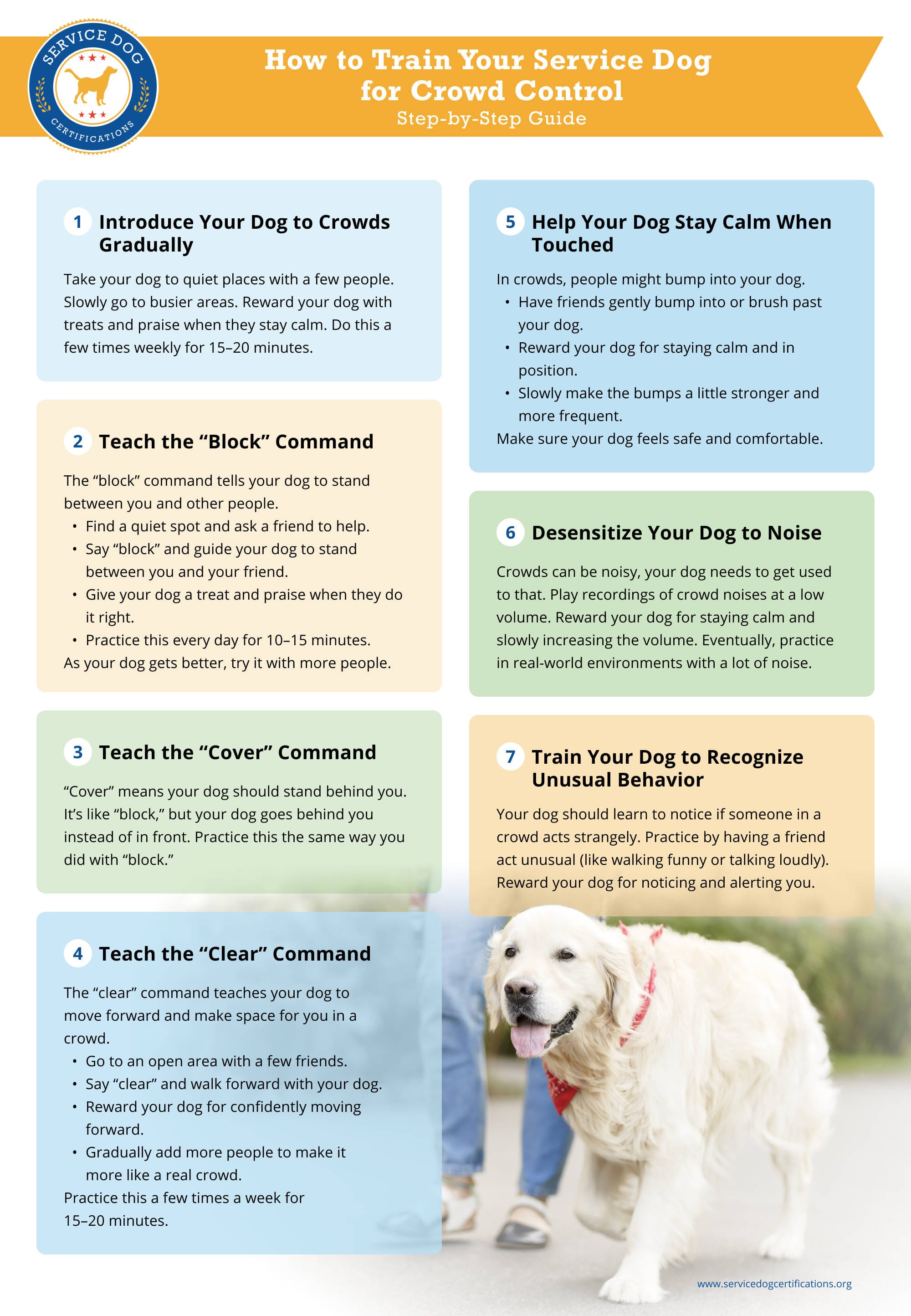
Before any specialized task training begins, a service dog candidate must master fundamental obedience commands. This includes reliable “sit,” “stay,” “come,” and “down,” even in distracting environments. Equally crucial is dog training service animal socialization. This involves exposing the dog to a wide array of sights, sounds, and situations they will encounter in public – from crowded stores and public transportation to busy streets and various K9 unit environments. Proper socialization ensures the dog remains calm, well-behaved, and non-reactive in any setting, which is paramount for a working animal.
Task-Specific Training for Panic Attack Mitigation
This is where service dog training truly shines. Trainers work to teach the dog specific behaviors that directly assist their handler during a panic attack. Common tasks include:
- Deep Pressure Therapy (DPT): The dog is trained to lie across the handler’s lap or chest, applying firm, calming pressure. This pressure can help slow breathing and heart rate, reducing the intensity of the attack.
- Interruption Behaviors: If a handler engages in repetitive, stress-induced behaviors (like rocking or nail-biting) during an attack, the dog can be trained to nudge them or lick their hand to interrupt the behavior and redirect their focus.
- Alerting: While not as common for panic attacks as for medical alerts, some dogs can be trained to recognize subtle pre-attack cues and alert their handler, allowing them to prepare or seek a safe space.
- Grounding: In some cases, a dog can be trained to provide a physical anchor, helping the handler to stay grounded and focused on the dog rather than the overwhelming sensations of the attack.
The training for these tasks is often reinforced through positive reinforcement methods, using rewards like treats, praise, and play to encourage desired behaviors. This ensures the dog associates performing these tasks with positive outcomes. For those seeking to understand the nuances of this, exploring training requirements for service dog can provide a clearer picture of the commitment involved.
Public Access Training
A critical component of service dog training is ensuring the dog can accompany their handler anywhere in public, as provided by law. This involves rigorous service dog training denver co-style public access training, where dogs learn to ignore distractions, navigate crowded spaces politely, and remain focused on their handler. This training is essential for the dog to be a reliable support in all aspects of the handler’s life.
Benefits of Partnering with a Service Dog for Panic Attacks
The advantages of having a trained service dog for panic attacks are profound and multifaceted:
- Reduced Anxiety and Fear: The constant presence of a trained service dog can significantly decrease anticipatory anxiety and the fear of having a panic attack in public. Knowing they have a reliable support system can empower individuals to engage more freely in social activities and daily routines.
- Immediate Support During an Attack: When a panic attack strikes, the service dog can immediately provide DPT, interruption, or grounding, helping to de-escalate the situation and bring the handler back to a calmer state more quickly.
- Increased Independence: With a service dog, individuals often feel more confident venturing out on their own, knowing they have a dedicated support partner. This can lead to greater independence and a better quality of life.
- Non-Judgmental Companionship: Service dogs offer unwavering, non-judgmental companionship. Their unconditional affection and presence can combat feelings of isolation that often accompany chronic anxiety disorders.
- Social Lubricant: Sometimes, the presence of a service dog can act as a social lubricant, easing interactions with others and providing a topic of conversation that can help deflect focus from the handler’s anxiety.
For those specifically seeking help with anxiety-related disorders, researching how to train anxiety service dog will reveal the depth of dedication and specific methodologies employed.
Finding and Working with a Service Dog
Acquiring a service dog is a significant commitment, both emotionally and financially. It’s crucial to work with reputable organizations or trainers who specialize in psychiatric service dogs.
Choosing the Right Dog and Program
- Reputable Organizations: Many accredited organizations train and place service dogs. These programs often have waiting lists but ensure dogs are health-tested, well-trained, and matched with a handler’s specific needs.
- Owner-Training: Some individuals choose to owner-train their dog. This requires a significant time commitment, a suitable dog temperament, and access to professional guidance. It’s important to note that this path requires extensive knowledge and dedication, often mirroring the training protocols used by professional organizations. For those in specific regions, resources like service dog training eugene could offer localized support and expertise.
- Temperament is Key: Regardless of the training route, the dog’s temperament is paramount. They need to be calm, adaptable, eager to please, and resilient to stress. Not every dog is suited for service work.
The Partnership and Ongoing Training
Once matched with a service dog, the journey continues. The handler must learn to work with their dog, understand their cues, and maintain their training. Ongoing practice and reinforcement are essential. The handler also plays a role in maintaining the dog’s public access skills and ensuring their well-being. The bond between a handler and their service dog is incredibly strong, built on trust, mutual understanding, and shared experiences.
Frequently Asked Questions About Service Dogs for Panic Attacks
Q1: Can any dog become a service dog for panic attacks?
A1: No, not all dogs are suited for service work. A dog must have a stable temperament, be highly trainable, and possess the physical and mental capacity to perform tasks reliably. Rigorous training and socialization are essential.
Q2: What is the difference between a service dog and an emotional support animal?
A2: A service dog is trained to perform specific tasks to assist a person with a disability. An emotional support animal (ESA) provides comfort by its presence but is not trained for specific tasks. Service dogs have public access rights under laws like the ADA, while ESAs do not.
Q3: How long does it take to train a service dog for panic attacks?
A3: The training process typically takes 1-2 years, involving basic obedience, advanced task training, and extensive public access work.
Q4: Are there specific breeds that are better for panic attack service dogs?
A4: While breeds like Labrador Retrievers, Golden Retrievers, and Poodles are popular due to their trainability and temperament, many breeds and mixes can be successful service dogs if they possess the right individual traits.
Q5: What are the legal rights of a service dog handler?
A5: In many countries, service dog handlers have the right to bring their trained service dogs into public places where pets are typically not allowed, such as restaurants, stores, and hotels, as long as the dog is under their control and performing its tasks.
Conclusion: A Paw-sitive Impact on Quality of Life
Service dogs trained for panic attacks offer a life-changing solution for many individuals. They provide not just practical assistance during episodes but also unwavering companionship, empowering their handlers to live fuller, more independent lives. The dedication involved in training these remarkable animals, combined with the profound bond they form with their humans, truly highlights the incredible partnership between people and dogs. If you or someone you know struggles with panic attacks, exploring the possibility of a psychiatric service dog could open doors to a more secure and confident future.
