
Living with anxiety can be a daily challenge, but the companionship and specialized training of a service dog can offer profound support. A service dog trained for anxiety isn’t just a pet; it’s a dedicated partner, equipped with specific skills to help manage the symptoms of an anxiety disorder. This guide will walk you through understanding what Service Dog Training For Anxiety entails, how it works, and what to expect on your journey to finding the perfect canine companion.
Understanding Service Dogs for Anxiety
Service dogs are specially trained to perform tasks that help individuals with disabilities. For those with anxiety disorders, these tasks are designed to mitigate the effects of their condition. This can include a wide range of actions, from interrupting panic attacks to providing deep pressure therapy, and even alerting their handler to an impending anxiety episode. Unlike emotional support animals, service dogs undergo rigorous, task-specific training and have public access rights under laws like the Americans with Disabilities Act (ADA).
What Can an Anxiety Service Dog Do?
The specific tasks an anxiety service dog is trained to perform are highly individualized, tailored to the handler’s unique needs. Common tasks include:
- Deep Pressure Therapy (DPT): The dog lies across the handler’s lap or body, providing a calming weight that can help alleviate panic or anxiety.
- Behavioral Interruption: The dog is trained to sense the early signs of an anxiety attack or panic attack and to intervene with a specific action, such as nudging, licking, or pawing, to distract the handler and help them regain control.
- Grounding Techniques: Some dogs are trained to lead their handler to a safe space, or to provide tactile stimulation (like licking) to help ground the handler during a dissociative episode.
- Retrieving Medication: In some cases, dogs can be trained to retrieve a handler’s medication during an acute anxiety episode.
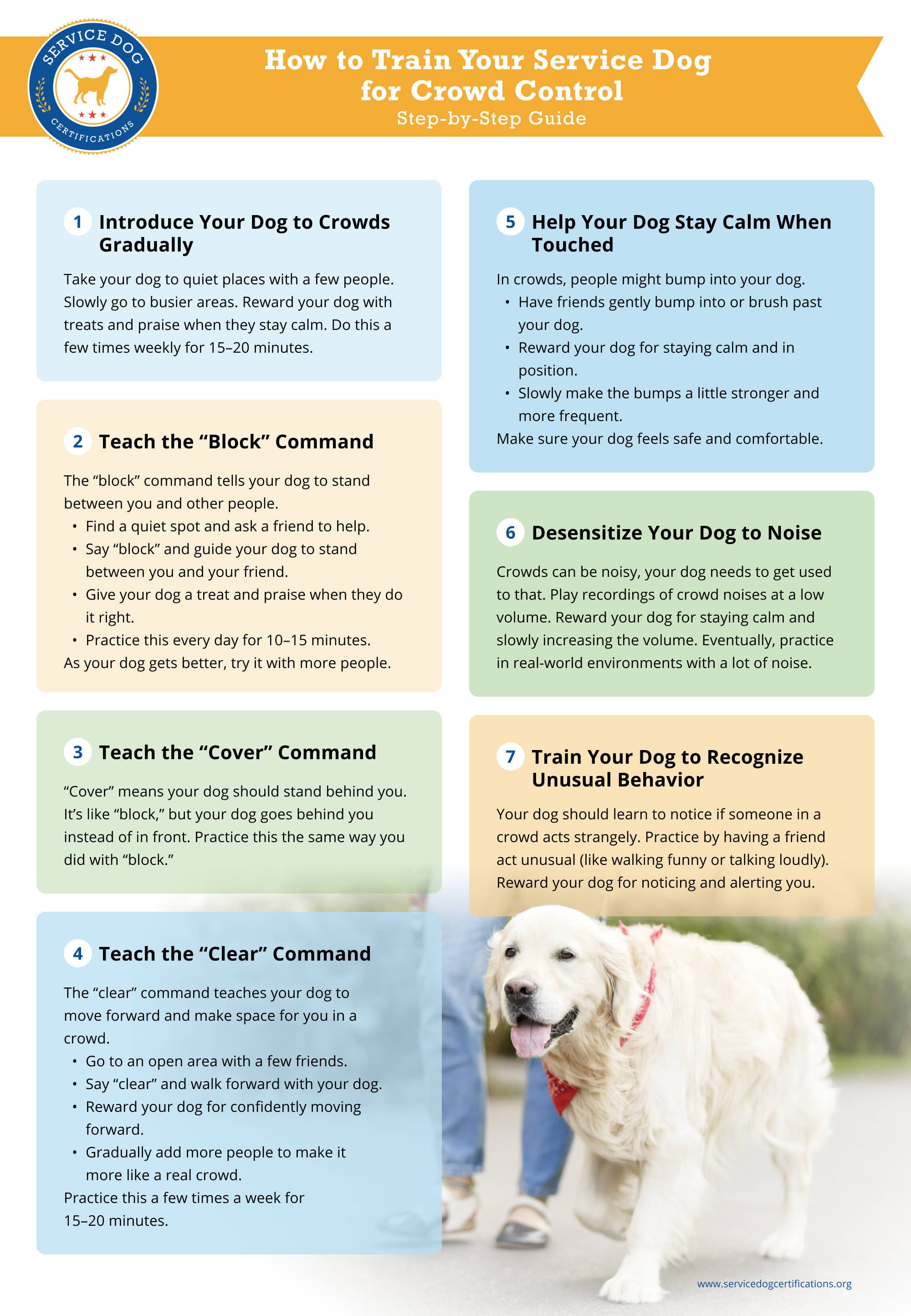
- Creating Personal Space: A dog can be trained to stand between their handler and other people in crowded environments, creating a physical buffer that reduces anxiety.
- Alerting to Rising Anxiety: Through subtle cues, the dog can alert the handler that their anxiety levels are increasing, prompting them to take preemptive action.
It’s crucial to remember that these dogs are trained to perform tasks. While their presence is inherently comforting, their primary role is to actively assist in managing the disability.
The Journey of Service Dog Training for Anxiety
Training a service dog for anxiety is a complex and lengthy process, typically taking anywhere from 1-2 years to complete. There are a few primary avenues through which individuals can obtain a trained service dog:
1. Owner-Training with Professional Assistance
This is a common and often more affordable route. You would select a suitable dog (often a puppy or young adult with the right temperament) and work with a professional service dog trainer. The trainer will guide you through the process, teaching you how to train the dog yourself, and will provide necessary support and expertise. This method requires a significant time commitment from the handler. Anxiety service dog training is a specialized field, so finding a trainer with experience in psychiatric service dogs is vital.
2. Programs and Organizations
Several non-profit organizations and private training facilities specialize in training and placing service dogs with individuals with disabilities, including psychiatric conditions. These programs often have waiting lists and can be expensive, but they typically provide a fully trained dog that has already passed rigorous assessments. The cost for these programs can vary significantly; understanding how much does service dog training cost for anxiety is an important part of the process.
3. Adopting a Trained Dog
Occasionally, a fully trained service dog may become available for adoption, often due to a handler’s change in circumstances. This can be a quicker way to obtain a service dog, but it requires diligence in finding reputable sources and ensuring the dog is a good match for your needs.
Key Considerations in Training
Regardless of the training method, several key factors are paramount:
- Temperament: The dog must possess a calm, stable, and confident temperament. They need to be unfazed by various stimuli and genuinely eager to work. Breeds commonly chosen for this role include Golden Retrievers, Labrador Retrievers, Poodles, and various shepherd breeds, though temperament is more critical than breed.
- Task Training: This is the core of service dog training. Each task must be taught with precision and reinforced consistently. The dog needs to understand precisely when and how to perform each task.
- Public Access Training: Service dogs must be well-behaved in public. This means they are clean, quiet, and do not pose a disruption in public spaces. They must be able to navigate environments like stores, restaurants, and public transportation calmly and obediently. This is a crucial aspect of how to train service dog for anxiety.
- Handler-Dog Bond: The relationship between the handler and the dog is fundamental. Trust, communication, and a strong bond are essential for effective teamwork.
Choosing the Right Dog and Trainer
Selecting a Canine Candidate
When owner-training, selecting the right dog is the first critical step. Look for a puppy or dog with a balanced temperament: curious but not overly fearful, confident but not aggressive, and with a strong desire to please. Many professional trainers offer temperament testing services to help you choose. If you’re working with a program, they will have their own rigorous selection process.
Finding a Qualified Trainer
A qualified trainer specializing in psychiatric service dogs is invaluable. They will understand the nuances of anxiety disorders and the specific tasks required. Ask for references, inquire about their training methodology, and ensure they are up-to-date on best practices and legal requirements. Look for trainers who prioritize positive reinforcement methods. For those in New Mexico, service dog training Albuquerque resources can be a starting point.
Legal Rights and Responsibilities
In many countries, including the United States, service dogs are granted public access rights. This means they are allowed in most places where the public is permitted, such as shops, restaurants, and on public transportation, regardless of “no pets” policies. However, handlers have responsibilities: the dog must be under their control at all times, well-behaved, and clean. It’s also important to note that handlers are not legally required to disclose the nature of their disability or have specific identification for their service dog, though having a vest or ID can sometimes be helpful for clarity. Resources like dog training YouTube channels can offer supplementary guidance on behavior and training.
The Impact of an Anxiety Service Dog
The benefits of having a trained service dog for anxiety can be life-changing. They provide:
- Increased Independence: Reduced reliance on constant human support during episodes.
- Enhanced Well-being: A decrease in the frequency and severity of anxiety and panic attacks.
- Improved Social Engagement: Greater confidence in navigating public spaces.
- Unconditional Companionship: A loyal partner providing emotional stability.
The journey to acquiring and training a service dog is a significant commitment, but for many, the rewards of regaining control and enjoying a fuller life are immeasurable.
Frequently Asked Questions about Anxiety Service Dog Training
Q1: Can any dog be trained as a service dog for anxiety?
While many breeds can be trained, the individual dog’s temperament, health, and trainability are more critical factors than breed alone. A calm, confident, and eager-to-please disposition is essential.
Q2: How long does it take to train an anxiety service dog?
The training process typically takes between one to two years, sometimes longer, depending on the dog’s age, individual learning speed, and the complexity of the tasks.
Q3: What is the difference between a service dog and an emotional support animal (ESA)?
Service dogs are trained to perform specific tasks to assist individuals with disabilities and have public access rights. ESAs provide comfort through their presence but are not task-trained and do not have the same public access privileges.
Q4: Can I train my own dog to be a service dog for anxiety?
Yes, this is known as owner-training. It requires significant dedication, time, and often the guidance of a professional service dog trainer who specializes in psychiatric service dogs.
Q5: What are the legal rights of a service dog handler?
In the US, under the ADA, service dogs are allowed in public accommodations. Handlers are not required to disclose their disability but must keep the dog under control and ensure it does not disrupt public spaces.
Q6: How do I know if my dog is having an anxiety attack, and how can the service dog help?
Signs of anxiety in dogs can include panting, restlessness, pacing, excessive barking, destructive behavior, or withdrawal. A service dog trained for this might be taught to interrupt these behaviors, provide calming pressure, or alert the handler to their own rising stress levels.
Q7: What are the costs associated with service dog training for anxiety?
Costs can range from a few thousand dollars for owner-training with professional guidance to tens of thousands of dollars for a dog from a specialized program. This includes the cost of the dog, training equipment, professional trainer fees, and ongoing care.
Conclusion: Embracing a Supported Future
A service dog trained for anxiety can be a transformative partner, offering not just comfort but tangible assistance in navigating the complexities of an anxiety disorder. Whether you choose to owner-train or work with a reputable organization, the commitment to training and building a strong bond is key. By understanding the process, the requirements, and the immense capabilities of these incredible animals, you can take a significant step toward a more confident and supported future.
