
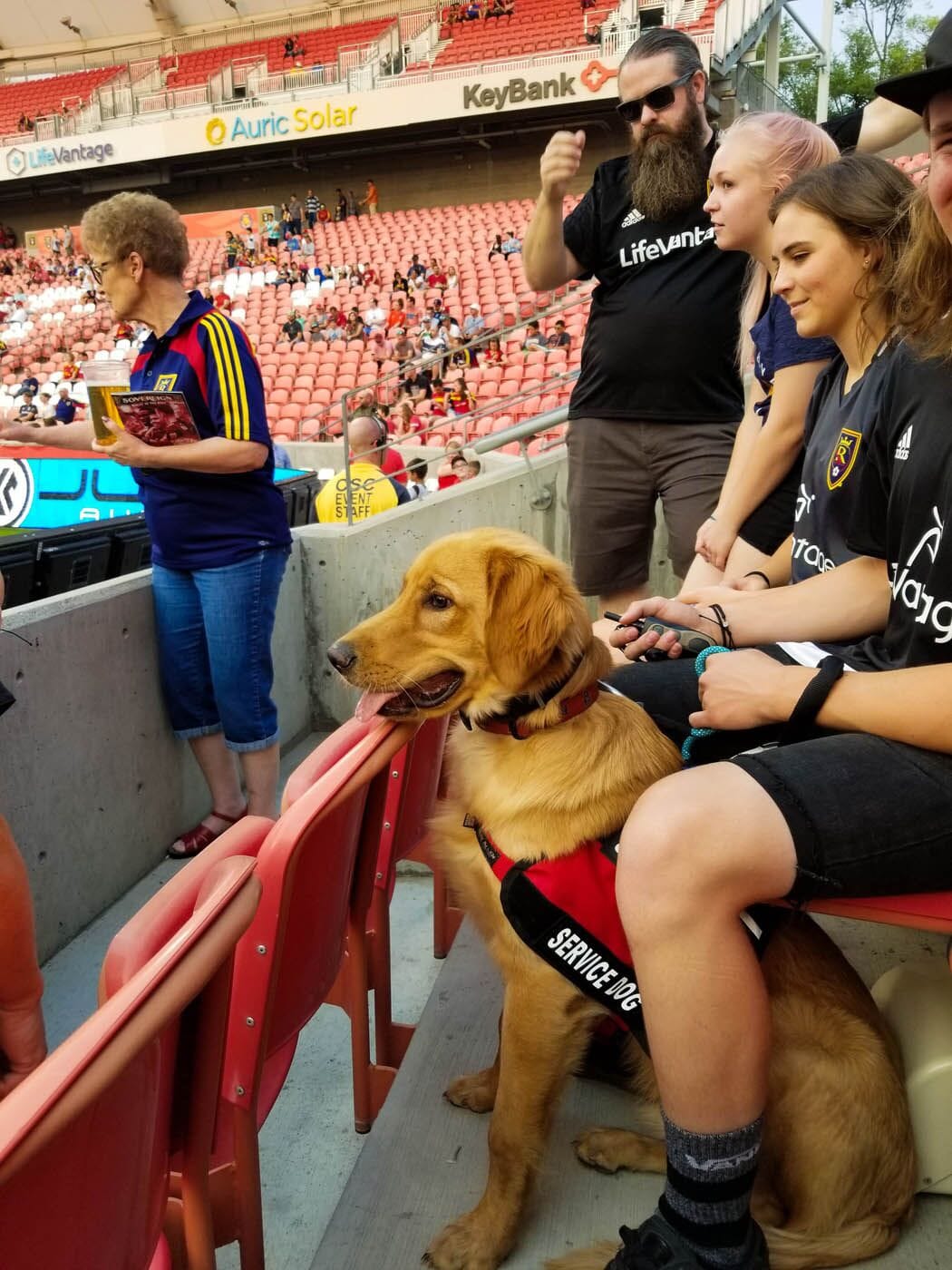
Embarking on the journey of training a service dog in Florida is a rewarding yet significant commitment. This guide delves into the essential aspects of service dog training Florida, ensuring both the dog and handler are well-prepared to navigate the legal landscape and provide the necessary support. Understanding the specific laws and training methodologies is crucial for establishing a successful partnership.
Understanding Service Dogs in Florida
In Florida, as defined by the Americans with Disabilities Act (ADA), a service animal is a dog that has been individually trained to do work or perform tasks for the benefit of an individual with a disability. This is distinct from emotional support animals, which do not require specific task training. The training must be directly related to the handler’s disability. This can range from retrieving dropped items for a person with mobility impairments to alerting a deaf individual to sounds or providing deep pressure therapy for someone with anxiety. The handler’s disability is the primary driver for the dog’s role.
Legal Frameworks and Requirements
Florida adheres to federal guidelines when it comes to service animals. This means that businesses and public accommodations must allow service dogs to accompany their handlers everywhere the public is allowed. It is illegal to deny access to a person with a service dog, and misrepresenting a pet as a service animal can lead to penalties.
- ADA Definition: Service animals are defined as dogs trained to perform specific tasks for individuals with disabilities.
- Florida Law: Reinforces ADA definitions and protections.
- No Registration Required: There is no mandatory federal or state registration for service dogs. Legitimate training and task performance are key.
- Handler’s Rights: Handlers have the right to access public spaces with their trained service dogs.
The Training Process: Essential Components
Training a service dog is a rigorous, multi-stage process that requires patience, consistency, and a deep understanding of canine behavior. It goes far beyond basic obedience, focusing on specialized tasks that mitigate a handler’s disability.
Foundation: Basic Obedience and Socialization
Before specialized task training can begin, a solid foundation in obedience and socialization is paramount. This ensures the dog is well-behaved, confident, and comfortable in various environments.
- Obedience Commands: Sit, stay, come, down, leave it, and heeling must be mastered with a high degree of reliability, even with distractions.
- Socialization: Exposure to different people, places, sounds, and other animals is critical. This helps the dog remain calm and focused in public settings. This can be achieved through visits to dog obedience training Miami FL facilities that offer controlled environments for socialization.
- House Training and Manners: Impeccable house manners and the ability to remain calm and unobtrusive are non-negotiable.
Advanced Obedience and Public Access Skills
Once basic obedience is solid, training progresses to more advanced skills, particularly those required for public access.
- Reliable Recall: The dog must come when called, every single time, regardless of distractions.
- “Leave It” Mastery: Crucial for preventing the dog from picking up unsafe items or being distracted by food or other animals.
- “Place” or “Mat” Command: Training the dog to go to a designated spot and stay there until released, vital for situations like restaurant visits.
- Crowd Navigation: Learning to navigate busy areas without becoming anxious or disruptive.
- Vehicle Acclimation: Comfortable and safe behavior in and around vehicles.
Task Training: The Core of Service Work
This is where the dog learns the specific tasks that will assist their handler. The tasks must be directly related to the handler’s disability.
- Mobility Support: Tasks like bracing, counter-balancing, or retrieving dropped items.
- Medical Alert: Training to detect changes in the handler’s body chemistry (e.g., blood sugar fluctuations) or impending medical episodes (e.g., seizures).
- Psychiatric Support: Tasks such as interrupting self-harming behaviors, providing deep pressure therapy, or guiding a disoriented handler.
- Sensory Support: For hearing or visually impaired handlers, tasks include alerting to sounds, guiding through environments, or retrieving specific objects.
Finding Reputable Training Programs in Florida
Choosing the right training program or professional is a critical decision. Look for trainers with experience in service dog work and a deep understanding of canine behavior and positive reinforcement methods.
Professional Trainers and Organizations
Several organizations and certified professional dog trainers (CPDTs) specialize in service dog training. It’s important to research their credentials, methods, and success rates.
- Certifications: Look for trainers certified by reputable organizations.
- Experience: Prioritize trainers with a proven track record in service dog training.
- Positive Reinforcement: Ensure the training methods are humane and effective, focusing on rewards rather than punishment. Programs like those found in homestead FL dog training centers often provide a good starting point.
DIY Training Considerations
While it’s possible for handlers to train their own service dogs, it requires a significant investment of time, dedication, and knowledge.
- Time Commitment: Training can take anywhere from 18 months to two years or more.
- Expert Guidance: Even DIY training often benefits from consultations with experienced service dog trainers.
- Documentation: Maintaining detailed training logs is essential.
Public Access Test (PAT) and Beyond
A Public Access Test (PAT) is a standardized evaluation to ensure a service dog handler team can navigate public spaces safely and appropriately. While not legally mandated by the ADA for all situations, passing a PAT is a strong indicator of a well-trained dog.
Components of a Public Access Test:
- Calmness in Public: The dog remains calm and well-behaved in various public settings, such as stores, restaurants, and public transportation.
- Interaction with Distractions: Responds appropriately to distractions like loud noises, other animals, and crowds.
- Obedience and Task Performance: Demonstrates mastery of obedience commands and performs trained tasks reliably when needed.
- Hygiene and Grooming: The dog is clean, well-groomed, and free of parasites.
Ongoing Training and Maintenance
Service dog training is not a one-time event. It requires continuous reinforcement and occasional advanced training to maintain the dog’s skills and address any emerging behavioral issues. Regular practice in various environments is key to keeping the dog sharp and responsive. Consider advanced training options or joining a dog training club St Petersburg to maintain skills and socialize.
Refreshers and Advanced Skills
- Regular Practice: Consistently practicing obedience and tasks in real-world scenarios.
- Advanced Tasks: As needs evolve, handlers may seek training for new or more complex tasks.
- Behavioral Troubleshooting: Addressing any behavioral challenges that may arise with the help of a professional trainer.
Specialized Training Resources
For handlers seeking highly specialized training, such as for specific medical alerts or complex mobility assistance, dedicated programs like service dog training Jacksonville FL can offer tailored solutions. These programs often work closely with handlers to develop custom training plans.
Conclusion: A Partnership Built on Trust and Training
Training a service dog in Florida is a profound journey that creates an unbreakable bond between dog and handler. By understanding the legal requirements, committing to rigorous training, and seeking out reputable resources, individuals can successfully prepare their canine partners to provide invaluable support. The dedication invested in service dog training Florida yields a partnership that enhances independence, well-being, and the overall quality of life for individuals with disabilities.
