
Finding the right Service Dog Training Cincinnati offers can feel like a monumental task, but it’s a journey that promises profound rewards, forging an unbreakable bond and unlocking a new level of independence. Whether you’re starting with a puppy full of potential or hoping to train your current canine companion, understanding the landscape of assistance animal training in the Queen City is the first crucial step. This guide will walk you through the entire process, from defining what a service dog truly is to navigating local laws and finding the perfect training program for your specific needs.
The decision to bring a service dog into your life is a significant one. These aren’t just pets; they are highly skilled partners trained to perform specific tasks that mitigate a person’s disability. For many, a service dog means the difference between isolation and community, dependence and freedom. As you embark on this path, it’s essential to be equipped with accurate information and realistic expectations. From the bustling streets of Downtown to the quiet suburbs, a well-trained service dog can be a reliable partner in navigating daily life. This is why professional guidance, such as exploring options for service dog training for autism, can be an invaluable part of the process.
What Legally Defines a Service Dog?
Before diving into training options, it’s vital to understand the official definition of a service dog. According to the Americans with Disabilities Act (ADA), a service animal is a dog that is individually trained to do work or perform tasks for a person with a disability. The key terms here are “individually trained” and “perform tasks.” This distinction is what separates a service dog from an emotional support animal (ESA) or a therapy dog.
An ESA provides comfort just by being present, but has no special training for specific tasks and does not have the same public access rights. A therapy dog, on the other hand, is trained to provide comfort and affection to people in facilities like hospitals, nursing homes, and schools, but it is not a service dog for its handler.
The tasks a service dog performs must be directly related to the handler’s disability. Examples include:
- Guiding a person who is blind.
- Alerting a person who is deaf.
- Pulling a wheelchair or providing mobility support.
- Alerting and protecting a person who is having a seizure.
- Reminding a person with mental illness to take prescribed medications.
- Calming a person with Post Traumatic Stress Disorder (PTSD) during an anxiety attack.
Understanding this legal framework is the foundation of your journey. It ensures you seek the right kind of training and understand your rights and responsibilities as a handler in Cincinnati and beyond.
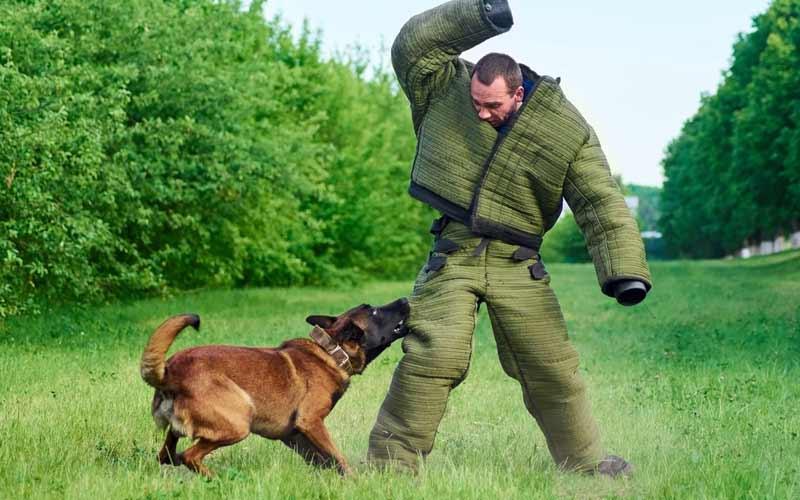 A focused German Shepherd during a service dog training Cincinnati session, learning a specific task with its handler.
Finding the Right Training Program in Cincinnati
Cincinnati is home to a variety of dog trainers and organizations, but not all of them specialize in service dog work. It’s crucial to find a program that understands the intricacies of task training, public access conditioning, and the laws governing assistance animals.
Types of Training Programs Available
When searching for service dog training Cincinnati, you will likely encounter a few different training models:
- Board-and-Train Programs: In this model, your dog lives with a professional trainer for an extended period (several weeks to months) for intensive training. This can be effective for foundational skills and complex tasks but requires a significant financial investment and a transition period for the handler to learn the cues.
- Private One-on-One Sessions: Here, a trainer works directly with you and your dog. This approach is highly personalized, allowing the training to be tailored to your specific needs and disability-related tasks. It empowers you as the handler to be an integral part of the training process from day one.
- Owner-Trainer Programs with Support: This is a popular option where you, the owner, are the primary trainer. You do the day-to-day work under the guidance of a professional service dog coach through group classes or private sessions. This is often more affordable and builds an incredibly strong bond, though it requires immense dedication and consistency. Many organizations like on command dog training llc utilize principles that can be adapted for the dedicated owner-trainer.
What to Look For in a Cincinnati Trainer
Choosing a trainer is a critical decision. A good trainer can make the difference between a successful partnership and a frustrating experience.
- Experience and Certification: Look for trainers with a proven track record in service dog training. Certifications from reputable organizations, like becoming a certified professional dog trainer certification, indicate a commitment to professional standards and humane training methods.
- Focus on Positive Reinforcement: Modern, ethical training focuses on positive reinforcement. This method builds a willing and enthusiastic partner, which is essential for a service dog that must work reliably in various environments. Avoid any trainer who advocates for punitive methods like shock collars or physical corrections.
- Knowledge of the ADA: Your trainer must have a deep understanding of the ADA and Ohio’s specific state laws regarding service animals. They should be able to guide you on public access training and your rights.
- Customized Training Plans: A one-size-fits-all approach does not work for service dogs. The trainer should conduct a thorough evaluation of both you and your dog to create a plan that targets the specific tasks you need.
According to Dr. Eleanor Vance, a leading animal behaviorist, “The ideal service dog training program is a collaborative triangle between the dog, the handler, and the trainer. The trainer provides the roadmap, but it is the daily, consistent work of the handler that truly solidifies the skills and deepens the bond.”
The Service Dog Training Process Explained
The journey to becoming a fully trained service dog is a marathon, not a sprint. It typically takes 18 to 24 months of consistent training. The process can be broken down into several key phases.
Phase 1: Foundational Skills & Socialization
This phase starts in puppyhood if possible. It involves extensive socialization to expose the dog to various sights, sounds, smells, and environments in a positive way. Basic obedience is critical, mastering commands like sit, stay, come, down, and heel to a very high level of reliability, even with distractions. This phase is about building a well-behaved, confident, and focused dog.
Phase 2: Advanced Obedience & Public Access Skills
Once the foundations are solid, the training moves into public spaces. This is where the dog learns to maintain its focus and composure in busy environments like grocery stores, restaurants, and public transportation. The dog is trained to ignore distractions, walk politely on a leash without sniffing or soliciting attention, and tuck neatly under tables or chairs. This is often the most challenging part of service dog training Cincinnati.
Phase 3: Task-Specific Training
This is where the dog learns the specific tasks that will mitigate the handler’s disability. This training is highly individualized.
- For mobility support, a dog might learn to retrieve dropped items, open doors, or provide balance support.
- For psychiatric support, a dog could be trained to perform deep pressure therapy during a panic attack or interrupt dissociative episodes.
- For medical alert, a dog might learn to detect changes in blood sugar for a diabetic or alert to an impending seizure.
This level of specialized training requires expert guidance, much like the focused programs found in areas like dog training sugar land, to ensure tasks are performed reliably and safely.
Service Dog Laws in Ohio and Cincinnati
While the ADA provides federal protection, it’s also helpful to be aware of Ohio’s laws. Ohio law aligns with the ADA, granting a person with a disability the right to be accompanied by their service animal in all public accommodations. This includes restaurants, hotels, stores, and other businesses.
It’s important to remember that under the ADA, staff at an establishment are only allowed to ask two questions:
- Is the dog a service animal required because of a disability?
- What work or task has the dog been trained to perform?
They cannot ask about your disability, require medical documentation, or ask for a special identification card or demonstration of the dog’s skills. A service dog is not required to wear a vest or harness, although many handlers choose to use them to signal that the dog is working.
Frequently Asked Questions (FAQ)
How much does service dog training cost in Cincinnati?
The cost can vary dramatically. A fully trained dog from an organization can cost upwards of $20,000. Owner-training with the help of a professional is often more affordable, with costs ranging from $150-$250 per private session. The total investment over two years can still amount to several thousand dollars.
What breeds are best for service work?
Labrador Retrievers, Golden Retrievers, and German Shepherds are common choices due to their temperament, intelligence, and work ethic. However, any dog of any breed can be a service dog if it has the right temperament and can be trained to perform the necessary tasks. The individual dog’s health and disposition are more important than its breed.
Can I train my own pet dog to be a service dog?
Yes, the ADA allows for individuals with disabilities to train their own service dogs. However, it is a very challenging and demanding process. It is highly recommended to work with a qualified professional trainer to ensure the training is done correctly and to a high standard, especially for public access skills.
How do I know if my dog has the right temperament?
A good service dog candidate is calm, confident but not dominant, eager to please, and not easily spooked. They should not show any signs of aggression, fear, or anxiety in new situations. A professional trainer can provide a temperament test to assess a dog’s suitability for service work.
Do I need to get my service dog certified in Ohio?
There is no official government certification or registration for service dogs in the United States, either federally or in Ohio. “Certifications” sold online are not recognized by the ADA and do not grant any legal rights. The only requirement is that the dog is individually trained to perform tasks for a person with a disability.
Your Path to a Partnership Begins Now
Embarking on the service dog training Cincinnati journey is a commitment of time, effort, and resources, but the outcome is a life-changing partnership. By understanding the legal definitions, seeking out qualified professionals, and dedicating yourself to the rigorous training process, you can cultivate a relationship with a canine partner that provides not just assistance, but also unwavering companionship and a renewed sense of confidence. The right training will empower both you and your dog to navigate the world together, turning challenges into triumphs one task at a time.
