
Training a service dog is a profound journey, transforming a loyal companion into an indispensable partner. In the vibrant city of Chicago, IL, accessing top-tier training resources is crucial for both the dog and their handler. This comprehensive guide delves into the world of service dog training, offering insights, tips, and resources specifically for those in the Chicago area. We aim to equip you with the knowledge to navigate this process successfully, ensuring your service dog is well-prepared to provide the support you need.
Understanding Service Dogs and Their Roles
Service dogs are highly trained working animals that perform specific tasks for individuals with disabilities. Unlike emotional support animals or therapy dogs, service dogs are granted public access rights under laws like the Americans with Disabilities Act (ADA). These incredible animals undergo rigorous training to assist with a wide range of tasks, from guiding the visually impaired and alerting the hearing impaired to performing mobility support and detecting medical emergencies like seizures or drops in blood sugar. The bond between a handler and their service dog is built on trust, communication, and a shared understanding, forged through dedicated training.
Types of Disabilities Service Dogs Assist
Service dogs are trained to mitigate a variety of disabilities, making their role incredibly diverse:
- Mobility Impairments: Dogs can help with balance, retrieve dropped items, open and close doors, and even assist with simple transfers.
- Seizure Disorders: Alert dogs can warn their handlers before a seizure occurs, providing time to find a safe place. Post-seizure, they can alert others or provide comfort.
- Diabetes: Diabetic alert dogs are trained to detect changes in blood glucose levels by scent, alerting their handler to potentially dangerous highs or lows.
- Hearing Impairments: Hearing dogs alert their handlers to important sounds like doorbells, smoke alarms, or a baby’s cry.
- Visual Impairments: Guide dogs help their visually impaired handlers navigate safely, avoiding obstacles and guiding them through familiar and unfamiliar environments.
- Psychiatric Disabilities: These dogs can perform tasks such as interrupting self-harming behaviors, providing deep pressure therapy during anxiety attacks, or reminding their handler to take medication.
The Journey of Service Dog Training
Service dog training is a meticulous and often lengthy process, typically taking anywhere from six months to two years, depending on the dog’s age, breed, temperament, and the specific tasks required. It’s a collaborative effort between the dog, the handler, and professional trainers.
Choosing the Right Dog
The foundation of successful service dog training lies in selecting a suitable canine candidate. Not all dogs are suited for this demanding role. Key characteristics to look for include:
- Temperament: A calm, confident, and adaptable temperament is essential. The dog must be eager to please, not easily startled, and possess a strong work ethic.
- Health: Excellent physical health is paramount. Dogs must be free from genetic conditions that could affect their ability to work or require extensive medical care.
- Breed: While many breeds can become service dogs, certain breeds like Labrador Retrievers, Golden Retrievers, and Poodles are often favored for their intelligence, trainability, and stable temperaments. However, mixed breeds with the right temperament can also excel.
Professional Training vs. Owner Training
In Chicago and beyond, handlers have two primary paths for training:
Professional Training Programs: Reputable organizations train dogs from puppyhood or adopt suitable adult dogs and train them. Handlers then often spend time with the organization to learn how to work with their matched dog. This path can be more expensive and may involve waiting lists, but it often ensures a high level of training and support.
Owner Training: This involves the individual with the disability training their own dog, often with the guidance of a professional trainer. This method can be more affordable and allows for a deeper bond, but it requires significant commitment, time, and a solid understanding of canine behavior and training principles. For those in Chicago, seeking out local trainers experienced in service dog work is key.
Finding a Service Dog Trainer in Chicago
Navigating the landscape of trainers can be challenging. When searching for Service Dog Training Chicago Il, look for trainers who:
- Are certified by reputable organizations (e.g., CCPDT, IAADP).
- Have a proven track record specifically with service dogs.
- Employ positive reinforcement methods.
- Are transparent about their training philosophy, fees, and timelines.
- Are willing to provide references and observe their training methods.
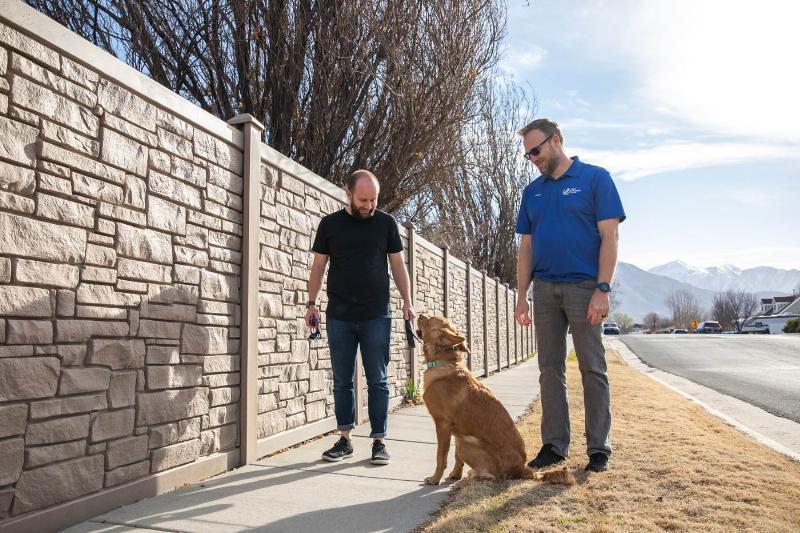 Professional service dog training session in a Chicago park
Essential Training Components for Service Dogs
Regardless of the training path, certain core components are critical for a service dog’s success:
Basic Obedience and Manners
This is the bedrock of all training. A service dog must have impeccable manners and respond reliably to commands in all environments. This includes:
- Sit, Stay, Down, Come: Solid recall and obedience are non-negotiable.
- Leave It: Essential for preventing the dog from being distracted by or ingesting inappropriate items.
- Loose-Leash Walking: The dog must walk calmly by the handler’s side without pulling, even in busy environments.
- Place/Mat Training: The ability to calmly lie down on a designated mat or spot is crucial for public outings.
Task Training
This is what differentiates a service dog from a pet. Task training involves teaching the dog specific actions that directly mitigate the handler’s disability. Examples include:
- Retrieving: Picking up dropped keys, medication, or a phone.
- Alerting: Nudging, pawing, or barking to signal a specific event (e.g., low blood sugar, a sound).
- Balance Support: Stabilizing the handler during walking or standing.
- Deep Pressure Therapy: Lying across the handler’s lap or body to provide calming pressure.
Public Access Skills
Equally important as task training is ensuring the dog can behave appropriately in public spaces. This involves acclimatizing the dog to various stimuli and environments:
- Socialization: Exposure to different people, animals, noises, and surfaces.
- Crowd Navigation: Moving calmly through busy areas.
- Environmental Awareness: Ignoring distractions like food on the floor, other animals, or loud noises.
- Vehicle Travel: Comfortable and safe travel in cars, buses, or trains.
Navigating Public Access in Chicago
Chicago, like other cities, has specific regulations and etiquette regarding service animals. While the ADA grants access, handlers should be prepared for common scenarios:
- Identification: While not legally required by the ADA, some handlers choose to use vests or ID tags for easier identification.
- Handler Control: The handler is always responsible for the dog’s behavior and ensuring they do not disrupt the public space.
- Business Rights: Businesses can only ask two questions: (1) Is the dog a service animal required because of a disability? and (2) What work or task has the dog been trained to perform? They cannot ask about the handler’s disability or demand documentation.
Resources for Service Dog Training in Chicago
The “Dog Care Story” community values informed decision-making. Here are some avenues for finding support and training services in the Chicago area:
Local Organizations and Trainers
Many dedicated organizations and independent trainers in Chicago specialize in service dog work. A thorough search for service dog training Chicago IL will reveal options, but it’s essential to vet them carefully. Look for organizations that align with your values and training needs. Some may offer programs for specific disabilities or focus on owner-trainer support.
National Organizations
Several national non-profits provide training, resources, and sometimes even fully trained dogs to individuals with disabilities. While they may not be Chicago-specific, they often have networks or partner with local trainers.
Online Resources and Communities
Websites dedicated to service dogs offer a wealth of information, articles, and forums where you can connect with other handlers, share experiences, and find advice. These can be invaluable, especially for owner-trainers navigating the complexities of the process.
The Bond: More Than Just Training
Beyond the commands and tasks, the training process deepens the incredible bond between a handler and their service dog. It’s a journey of mutual learning, trust, and unwavering support. This partnership enriches lives, fosters independence, and offers companionship unlike any other.
For those embarking on this path in Chicago, remember that patience, consistency, and a deep understanding of your canine partner are key. With the right training, resources, and dedication, your service dog can become an invaluable extension of yourself, empowering you to live a fuller, more independent life. The “Dog Care Story” celebrates this unique relationship and supports all those who embark on this rewarding journey.
