
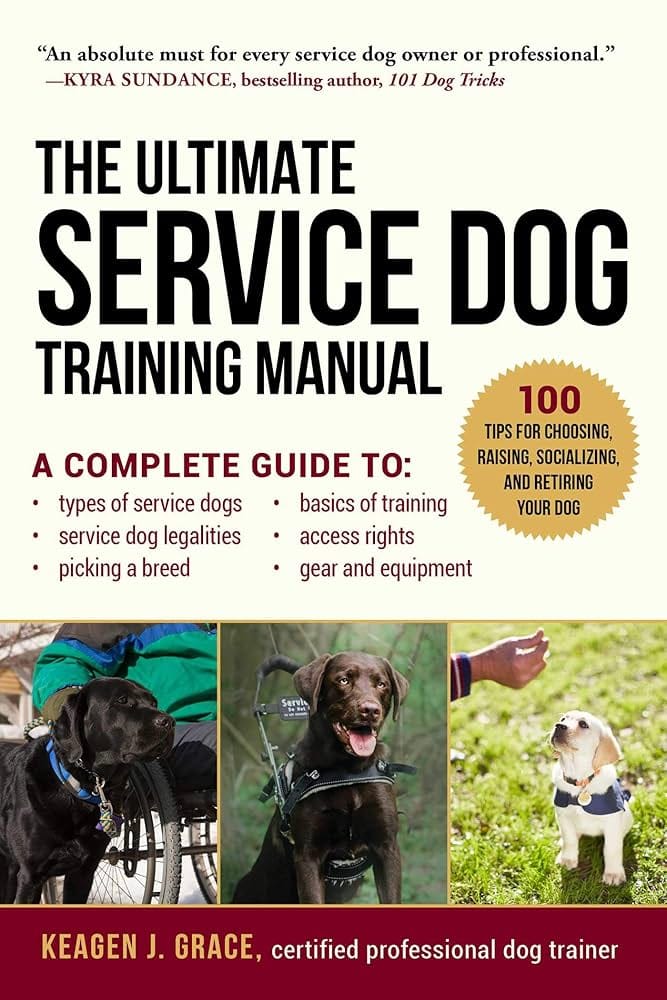
Service dogs are incredible companions, offering invaluable support and independence to individuals with disabilities. Choosing the right training center is a crucial step in this journey, ensuring both the dog and the handler receive the best possible preparation. But with so many options available, how do you navigate the world of Service Dog Training Centers to find the perfect fit for your needs? This guide will walk you through the essential considerations, from understanding what a service dog is to selecting a facility that aligns with your goals and ethical standards.
The partnership between a person with a disability and a service dog is built on trust, specialized training, and a deep understanding of each other’s needs. Service dogs are not just pets; they are highly trained working animals performing specific tasks that mitigate their handler’s disability. These tasks can range from guiding individuals with visual impairments to alerting those with hearing loss, or even providing physical support for mobility challenges. The training required is rigorous and specialized, which is why selecting a reputable service dog training center is paramount.
Understanding Service Dog Training and Certification
Before diving into the selection process, it’s essential to grasp what goes into service dog training. Reputable training programs focus on two key areas: basic obedience and advanced task-specific training.
Basic Obedience and Public Access Skills
A solid foundation in obedience is non-negotiable. Dogs must reliably respond to commands in various environments, even amidst distractions. This includes:
- Sit, Stay, Down, Come: Fundamental commands that ensure control.
- Leave It: Crucial for preventing the dog from interacting with or consuming harmful items.
- Heel: Maintaining a controlled pace alongside the handler.
- Public Access Manners: This is a critical component, teaching the dog to behave appropriately in public spaces. This includes not barking excessively, not sniffing people or food, and not relieving itself inappropriately indoors.
Task-Specific Training
This is where service dog training truly differentiates itself. Centers will work with the dog to perform tasks directly related to the handler’s specific disability. Examples include:
- Mobility Support: Dogs trained to help with balance, retrieve dropped items, or even help a person to stand.
- Medical Alert: Dogs that can detect subtle changes in a person’s body chemistry, such as impending seizures or dangerously low blood sugar levels.
- Psychiatric Support: Dogs trained to interrupt self-harming behaviors, provide deep pressure therapy during anxiety attacks, or act as a calming presence.
- Guiding and Alerting: For visual and hearing impairments, dogs are trained to navigate obstacles and alert handlers to specific sounds.
Certification and Legal Recognition
It’s important to note that in many jurisdictions, including the United States under the Americans with Disabilities Act (ADA), formal certification is not legally required for a service dog. However, many legitimate service dog training centers do provide documentation or identification upon successful completion of their programs. This documentation can be helpful for navigating public access. Be wary of organizations that charge exorbitant fees for a “certification” that carries no weight or promise of training.
Key Factors to Consider When Choosing a Service Dog Training Center
Selecting a facility is a significant decision. Here are the crucial factors to evaluate:
1. Training Philosophy and Methods
- Positive Reinforcement: Look for centers that exclusively use positive reinforcement methods. This involves rewarding desired behaviors, creating a willing and eager working partner. Avoid any center that uses harsh corrections, intimidation, or punishment-based techniques. These methods can damage the dog’s confidence and create behavioral problems.
- Ethical Sourcing of Dogs: Inquire about where the dogs come from. Reputable centers often have established breeding programs or work with reputable breeders to select dogs with stable temperaments and appropriate physical attributes. They should also be transparent about their health testing and screening processes.
- Individualized Training Plans: Every handler and disability is unique. The best centers will develop a tailored training plan that addresses your specific needs and the dog’s learning style.
2. Trainer Qualifications and Experience
- Credentials and Certifications: While not always mandatory, certifications from recognized professional organizations (e.g., CCPDT, IAADP) can indicate a trainer’s commitment to professional standards.
- Experience with Specific Disabilities: Does the center have proven experience training dogs for handlers with disabilities similar to yours? Their track record and testimonials can be very telling.
- Handler Training: The training doesn’t stop with the dog. A good center will invest significant time in training the handler, teaching them how to work with, cue, and care for their service dog. This is often referred to as the “team training” phase.
3. Program Structure and Duration
- Program Length: Be realistic about the time commitment. Comprehensive service dog training, from puppyhood to full public access, can take anywhere from 18 months to 2 years or more. Shorter programs may indicate less thorough training.
- In-Person vs. Online: While some initial consultations or theory can be done online, hands-on training with the dog and handler is essential. Ensure the program involves significant in-person, practical training.
- Follow-up Support: What kind of support does the center offer after the dog is placed? Ongoing support, troubleshooting, and refresher training are vital for a successful long-term partnership.
4. Facility and Dog Welfare
- Cleanliness and Safety: If visiting the facility, observe the living conditions for the dogs. Are they clean, safe, and enriched?
- Dog-to-Handler Ratio: Understand how many dogs are typically in a trainer’s care. A high ratio can mean less individual attention for each dog.
- Health and Veterinary Care: Ask about their protocols for veterinary care, vaccinations, and preventative health measures.
5. Cost and Transparency
- Full Disclosure: Reputable centers are upfront about their fees, what is included, and any potential additional costs (e.g., specialized equipment, ongoing training). Beware of centers that are vague or have hidden fees.
- Realistic Expectations: Service dog training is an intensive process and can be expensive, often costing tens of thousands of dollars. Understand what the fee covers – is it just the dog, or does it include comprehensive training for both dog and handler, support, and a guarantee?
The Importance of Handler Training
A successful service dog team isn’t just about a well-trained dog; it’s about a well-trained handler. The center must provide comprehensive training for you, the handler. This includes:
- Understanding Canine Body Language: Learning to read your dog’s cues is essential for their well-being and effective partnership.
- Commanding and Cueing: Mastering the commands and hand signals your dog has learned.
- Problem-Solving: Developing the skills to address common issues that may arise.
- Public Access Etiquette: Knowing your rights and responsibilities as a handler in public spaces.
- Care and Maintenance: Proper grooming, feeding, and ongoing training to maintain the dog’s skills.
Finding Reputable Service Dog Training Centers Near You
When you’re ready to start your search, here are practical steps:
- Start with Online Research: Use search terms like “service dog training [your city/state],” “ADA service dog trainers,” or “assistance dog organizations.”
- Check Non-Profit Organizations: Many reputable non-profit organizations specialize in training and placing service dogs. These organizations often have rigorous selection processes for both dogs and handlers.
- Seek Referrals: If you know other service dog handlers, ask for recommendations. Personal experiences can be invaluable.
- Visit and Interview: Don’t be afraid to visit potential centers, meet the trainers, observe training sessions, and ask in-depth questions.
- Look for Red Flags: Be cautious of centers that promise quick placements, guarantee specific breeds, have poor communication, or pressure you into making a decision.
The journey to acquiring a service dog is a significant one, filled with hope and the promise of enhanced independence. By carefully researching and selecting a service dog training center that prioritizes ethical training, experienced professionals, and comprehensive handler education, you significantly increase your chances of building a successful and fulfilling partnership with your future canine assistant. Remember, patience, thoroughness, and a commitment to positive methods are key to finding the right fit for your unique needs.
