
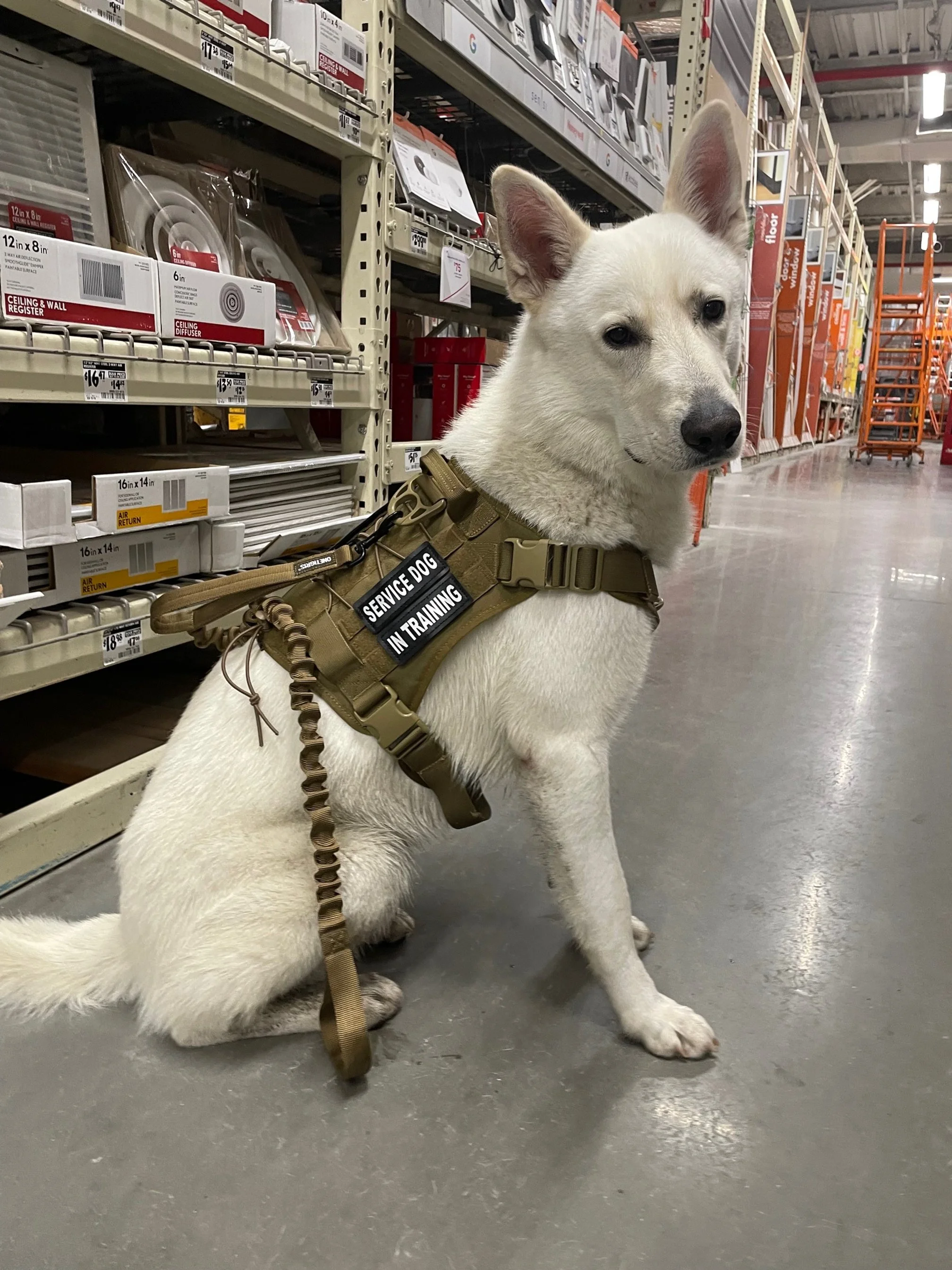
Welcome to the world of service dogs, where the bond between human and canine transforms lives. If you’re in Brooklyn and seeking specialized training for a service dog, you’ve come to the right place. This guide will explore the nuances of service dog training, highlighting its importance, the process, and how to find the best resources in Brooklyn to ensure your partnership is a success.
Understanding the Role of a Service Dog
Service dogs are more than just pets; they are highly trained working animals that perform specific tasks to assist individuals with disabilities. These tasks can range from guiding the visually impaired and alerting the hearing impaired to retrieving objects for those with mobility challenges or providing deep pressure therapy for individuals with anxiety or PTSD. The Americans with Disabilities Act (ADA) defines a service animal as a dog individually trained to do work or perform tasks for the benefit of an individual with a disability. This distinction is crucial, as it separates service dogs from emotional support animals or therapy animals, which do not have the same legal protections or training requirements.
The Rigorous Training Process for Service Dogs
Training a service dog is an intensive and lengthy process that requires patience, consistency, and expert knowledge. It typically involves several stages:
Early Socialization and Basic Obedience
The foundation of any successful service dog is solid basic obedience and thorough socialization. Puppies are exposed to a wide variety of environments, sounds, sights, and people from an early age. This helps them become well-adjusted and confident in different situations. Basic obedience commands like “sit,” “stay,” “come,” and “down” are mastered, ensuring the dog is responsive and under control at all times. This early stage is critical for building a strong bond and establishing a communication base.
Task-Specific Training
Once basic obedience is established, the dog begins learning the specific tasks that will help their handler. This is highly individualized based on the handler’s needs. For example:
- Mobility Assistance: Training a dog to retrieve dropped items, brace for balance, or pull open doors.
- Medical Alert: Teaching a dog to recognize and alert to physiological changes, such as an impending seizure or a drop in blood sugar.
- Psychiatric Support: Training a dog to interrupt self-harming behaviors, provide deep pressure therapy, or guide their handler away from stressful situations.
- Guide Dogs: Extensive training for dogs assisting the visually impaired, focusing on navigation, hazard avoidance, and clear direction following.
This phase requires precision and repetition to ensure the dog reliably performs its tasks under various conditions.
Public Access Training
A crucial part of service dog training is preparing the dog to accompany their handler in public places. This involves ensuring the dog remains calm, well-behaved, and focused on its handler amidst distractions. Public access training covers etiquette in various settings, including stores, restaurants, public transportation, and healthcare facilities. The goal is for the dog to be unobtrusive and a seamless extension of its handler.
Finding Service Dog Training in Brooklyn
Brooklyn offers a growing number of reputable organizations and trainers specializing in service dog preparation. When searching for a program, consider these factors:
Accreditation and Reputation
Look for organizations accredited by recognized bodies or trainers with proven experience and positive testimonials from clients. Programs that follow ethical training methods and prioritize the well-being of the dog are essential. Many accredited organizations follow methodologies similar to negative reinforcement dog training principles when applied ethically and humanely, focusing on rewarding desired behaviors.
Training Philosophy
Understand the training methods used. Force-free and positive reinforcement techniques are generally considered the most effective and humane for service dog training, building trust and a strong working relationship. This approach ensures that the dog is eager to work and confident in its abilities.
Program Structure and Support
Inquire about the program’s structure. Does it offer training for owner-handlers, or does it provide fully trained dogs? What kind of ongoing support is available after training is complete? Many programs in Brooklyn offer one on one dog training near me sessions to tailor the experience to specific needs.
Location and Accessibility
Consider the location of training facilities and whether they offer flexible scheduling or remote consultations. For those in specific Brooklyn neighborhoods, searching for dog obedience training Brooklyn can help narrow down local options.
Benefits of Professional Service Dog Training
While some individuals may attempt to train their own service dogs, professional guidance offers several advantages:
- Expertise: Professional trainers have in-depth knowledge of canine behavior, learning theory, and the specific requirements for service dogs.
- Consistency: Structured training ensures consistency and adherence to high standards.
- Problem-Solving: Trainers are equipped to handle challenges and troubleshoot any behavioral issues that may arise during training.
- Certification and Documentation: Reputable programs often assist with the necessary documentation and certifications for public access.
The Human-Animal Bond Enhanced Through Training
The journey of training a service dog is as much about the human handler as it is about the dog. It fosters a deeper understanding, communication, and reliance between the partnership. As the dog learns to perform vital tasks, the handler gains increased independence, confidence, and a supportive companion. This partnership is built on trust, mutual respect, and countless hours of dedicated work, creating an unbreakable bond that enriches both lives.
Frequently Asked Questions About Service Dog Training in Brooklyn
Q1: How long does it take to train a service dog?
A1: Service dog training typically takes anywhere from 1 to 2 years, depending on the dog’s age, breed, aptitude, and the specific tasks required. This includes basic obedience, socialization, task training, and public access preparation.
Q2: Can I train my own service dog?
A2: Yes, owner-training is possible, but it requires a significant commitment of time, resources, and dedication. Working with a professional trainer or program is highly recommended to ensure proper training and socialization. Are training collars bad for dogs? We advocate for positive, reward-based methods.
Q3: What are the legal requirements for service dogs in public?
A3: In the US, under the ADA, service dogs are allowed in public places where pets are typically prohibited. Handlers are only required to state that the dog is a service animal and what task it performs if asked. Businesses cannot ask for documentation or require the dog to wear a vest.
Q4: What breeds are best for service dogs?
A4: While many breeds can be trained as service dogs, Labrador Retrievers, Golden Retrievers, and German Shepherds are popular due to their intelligence, trainability, and temperament. However, temperament and trainability are more important than breed alone.
Q5: How much does service dog training cost in Brooklyn?
A5: Costs can vary significantly. Fully trained service dogs from reputable programs can range from $20,000 to $50,000 or more. Owner-training with professional guidance might cost anywhere from a few thousand dollars for classes and support to more if private lessons are frequent. Local searches like “obedience training for dogs near me” can give you an idea of general dog training costs in the area.
Conclusion: Embracing the Journey with Your Service Dog in Brooklyn
Embarking on the path to service dog training is a profound commitment that yields incredible rewards. In Brooklyn, a community that embraces diversity and support, finding the right training partner is key to unlocking the full potential of your service dog team. By understanding the process, choosing reputable professionals, and dedicating yourselves to the journey, you pave the way for a future where your canine companion empowers you with newfound independence and unwavering support.
