
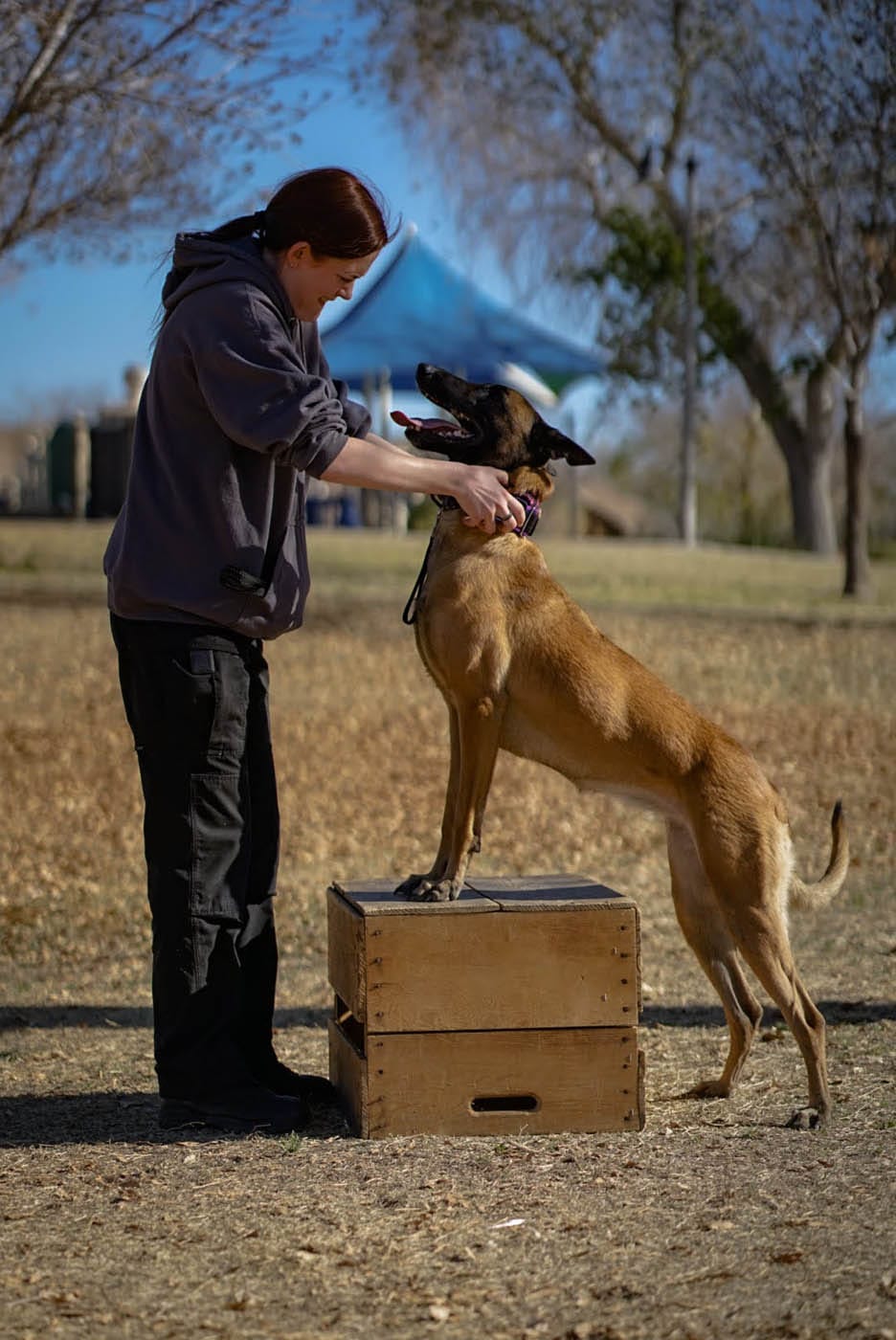
Welcome to the heart of Albuquerque, where the bond between humans and service dogs transforms lives. If you’re seeking specialized training for a service dog in Albuquerque, you’ve come to the right place. This guide delves into the essential aspects of service dog training, from understanding their vital role to finding the right training resources in the Duke City. We’ll explore how dedicated training can equip a canine companion to provide invaluable assistance, enhancing independence and quality of life for individuals with disabilities.
Understanding the Role of a Service Dog
Service dogs are more than just pets; they are highly trained working animals. They perform specific tasks that directly mitigate a handler’s disability. Unlike emotional support animals, service dogs have public access rights under laws like the Americans with Disabilities Act (ADA). These incredible dogs can be trained for a myriad of tasks, including but not limited to:
- Mobility Assistance: Retrieving dropped items, opening doors, providing balance support, and assisting with transfers.
- Medical Alert: Detecting changes in a person’s physiology, such as impending seizures, diabetic “hypos” or “hypers,” or even cardiac events.
- Psychiatric Support: Disrupting self-harm behaviors, providing deep pressure therapy during anxiety attacks, or guiding individuals who are disoriented.
- Sensory Assistance: Alerting a deaf or hard-of-hearing individual to sounds, or guiding a visually impaired person through their environment.
The training for these tasks is rigorous, intensive, and must be performed by a professional or with expert guidance to ensure the dog is reliable and effective in its role.
Key Components of Service Dog Training in Albuquerque
When considering service dog training in Albuquerque, several core components are crucial for success:
1. Foundational Obedience and Socialization
Before any specialized task training begins, a service dog must have impeccable manners and be exceptionally well-socialized. This includes:
- Basic Obedience: Mastery of commands like “sit,” “stay,” “down,” “come,” and “heel” in various environments and distractions.
- Advanced Obedience: Quiet heeling without pulling, reliable recall, and the ability to settle calmly under tables or in public spaces.
- Socialization: Exposure to a wide range of people, places, sounds, and situations is paramount. This includes busy streets, public transportation, stores, restaurants, and healthcare facilities. The dog must remain calm, confident, and non-reactive.
2. Task-Specific Training
This is the core of service dog training, where the dog learns the specific tasks tailored to the handler’s needs. This phase is highly individualized. For example:
- A dog assisting a wheelchair user might be trained to retrieve dropped medication or turn light switches on and off.
- A psychiatric service dog might be trained to nudge its handler to interrupt repetitive motions or to physically block during a panic attack.
- A diabetic alert dog will be trained to recognize the scent changes associated with blood sugar fluctuations and alert its handler.
This training requires patience, consistency, and a deep understanding of canine behavior and learning theory.
3. Public Access Training
This specialized training ensures the service dog is well-behaved and unobtrusive in public settings. It involves:
- Manners: Not begging, barking, sniffing inappropriately, or soliciting attention from the public.
- Reliability: Performing tasks on cue, even in distracting environments.
- Understated Presence: Wearing a service dog vest typically signifies they are working, and they should behave accordingly.
Finding Service Dog Training Resources in Albuquerque
Albuquerque offers a growing number of resources for service dog training. When choosing a trainer or program, consider these factors:
- Experience and Specialization: Look for trainers with a proven track record specifically in service dog training, not just general obedience. Do they have experience with the type of tasks you need?
- Training Philosophy: Ensure their methods are positive, force-free, and humane. Ethical training is non-negotiable.
- Credentials and Affiliations: While not strictly regulated everywhere, look for trainers who are certified by reputable organizations or are members of professional associations.
- Program Structure: Understand the training process, duration, costs, and what support is provided to the handler.
- Local Options: Several reputable organizations and independent trainers operate in the Albuquerque area. It’s wise to research and perhaps consult with a few before making a decision. For instance, dog training albuquerque nm can be a starting point for understanding local training services.
Considerations for Owner-Trainers
Many individuals choose to train their own service dogs. This path requires significant commitment, time, and a willingness to learn.
- Early Assessment: It’s crucial to assess a puppy or dog’s temperament for suitability as a service dog early on. Not all dogs have the calm, stable disposition required.
- Professional Guidance: Even if owner-training, seeking guidance from an experienced service dog trainer is highly recommended. They can help troubleshoot issues, ensure proper technique, and provide objective feedback.
- Time Commitment: Service dog training is a long-term commitment, often taking 1-2 years or more to complete.
The Impact of a Well-Trained Service Dog
The benefits of a well-trained service dog extend far beyond task performance. They foster independence, reduce the burden of care, and provide unwavering companionship. For many in Albuquerque, a service dog is not just a helper, but a life-changing partner.
Bringing Your Service Dog Home
Once training is complete, integrating the service dog into your daily life is the final step. This involves:
- Consistency: Continuing to practice commands and tasks in various environments.
- Handler Training: The handler must be proficient in handling the dog, understanding its cues, and managing public access scenarios.
- Ongoing Support: Maintaining contact with your trainer for periodic check-ins or to address any new challenges that may arise.
Choosing to train a service dog is a significant decision, but one that can unlock a new level of freedom and possibility. In Albuquerque, a community that embraces support and progress, the journey of a service dog and their handler is a testament to the incredible capabilities of canine partners and the human spirit.
Frequently Asked Questions about Service Dog Training in Albuquerque
Q1: How long does it typically take to train a service dog in Albuquerque?
A1: Service dog training is a lengthy process, generally taking between one to two years. This includes foundational obedience, socialization, specific task training, and public access work.
Q2: Can any dog be trained as a service dog?
A2: While many breeds can become service dogs, not every dog has the right temperament. A suitable candidate needs to be calm, confident, eager to please, and resilient to distractions and stress.
Q3: What is the difference between a service dog and a therapy dog?
A3: Service dogs are trained to perform specific tasks for an individual with a disability and have public access rights. Therapy dogs provide comfort and support to many people in settings like hospitals or nursing homes but do not have the same public access rights as service dogs.
Q4: Are there specific laws in Albuquerque regarding service dogs?
A4: Service dogs are protected under federal laws such as the Americans with Disabilities Act (ADA), which grants them access to public places. Local ordinances may also apply, but federal law provides the primary framework for service dog rights.
Q5: How do I find a reputable service dog trainer in Albuquerque?
A5: Look for trainers with documented experience in service dog work, positive training methods, and affiliations with recognized organizations. Asking for references and understanding their training philosophy are key steps.
