
Separation anxiety in dogs is a common yet distressing condition that affects many pet owners. It’s more than just a dog being sad when you leave; it’s a genuine panic response that can lead to destructive behaviors, excessive vocalization, and even house soiling. Understanding the root causes and implementing consistent, compassionate training strategies are key to helping your canine companion feel secure and calm when you’re not around. This guide will delve into the nuances of separation anxiety, offering practical, actionable advice to transform your dog’s distress into independence.
Understanding Separation Anxiety in Dogs
At its core, separation anxiety is a panic disorder triggered by a dog’s inability to cope with being alone or separated from their primary attachment figure. It’s crucial to differentiate true separation anxiety from simple boredom or lack of training. Dogs with separation anxiety often exhibit a predictable pattern of behaviors that begin as you prepare to leave or shortly after your departure. These can include:
- Excessive Vocalization: Barking, howling, or whining that persists for extended periods.
- Destructive Behavior: Chewing on furniture, doors, windowsills, or personal items, often focused around exit points.
- House Soiling: Urinating or defecating indoors, even in house-trained dogs.
- Pacing: Repetitive walking back and forth, often in a confined area.
- Escape Attempts: Trying to break out of crates, rooms, or even the house, potentially leading to self-injury.
- Excessive Salivation or Panting: Drooling more than usual, even when not physically exerted.
These behaviors are not acts of spite or defiance; they are outward manifestations of extreme distress. Recognizing these signs is the first step toward effective intervention.
The Roots of Separation Anxiety
While the exact cause can vary, several factors can contribute to the development of separation anxiety in dogs.
Genetic Predisposition
Some breeds or individual dogs may be genetically more prone to developing anxiety disorders, including separation anxiety.
Changes in Routine or Environment
Major life changes, such as moving to a new home, a change in the family’s schedule (e.g., a child leaving for college, a new work-from-home situation ending), or the loss of a family member (human or animal), can trigger or exacerbate separation anxiety.
Past Experiences
Dogs adopted from shelters or rescue organizations may have a history of abandonment or trauma that can make them more susceptible. Even a single negative experience, like being crated for too long in an overwhelming environment, can sometimes be a trigger.
Lack of Independence Training
Dogs who have never been taught to be comfortable alone may develop anxiety when faced with it. Over-attachment can develop if a dog is constantly with its owner and never given opportunities to develop self-soothing skills.
Differentiating Separation Anxiety from Other Issues
It’s essential to rule out other potential causes for a dog’s behavior before concluding it’s separation anxiety.
Medical Conditions
Urinary tract infections, gastrointestinal issues, or cognitive dysfunction in older dogs can lead to house soiling. Consulting a veterinarian is always the first step to rule out any underlying health problems.
Incomplete House Training
Young puppies or recently adopted dogs may simply not be fully house-trained yet.
Boredom or Lack of Exercise
A dog that isn’t getting enough physical and mental stimulation may resort to destructive behaviors or excessive barking out of sheer boredom. Ensure your dog has ample opportunities for walks, play, and enrichment activities.
Noise Phobias
Some dogs react fearfully to specific noises like thunderstorms or fireworks, which can be mistaken for separation anxiety if they occur while the owner is away.
The “Dog Training Long Island Suffolk” Approach: Gradual Desensitization and Counter-Conditioning
Effective separation anxiety training relies heavily on two main principles: gradual desensitization and counter-conditioning. The goal is to change your dog’s emotional response from panic to calm when faced with being alone.
Step 1: Assess the Severity and Establish a Baseline
Before starting any training, it’s helpful to understand how severe your dog’s anxiety is. Set up a camera (like a pet cam or even your smartphone) to record your dog when you leave. Observe the duration before anxiety symptoms begin, the types of behaviors exhibited, and the overall intensity. This baseline will help you track progress.
Step 2: Management Strategies (Preventing Practice)
While you’re training, it’s crucial to prevent your dog from practicing anxious behaviors. This might mean:
- Avoiding departures: If possible, arrange for a pet sitter, doggy daycare, or a friend to watch your dog when you need to be away for extended periods.
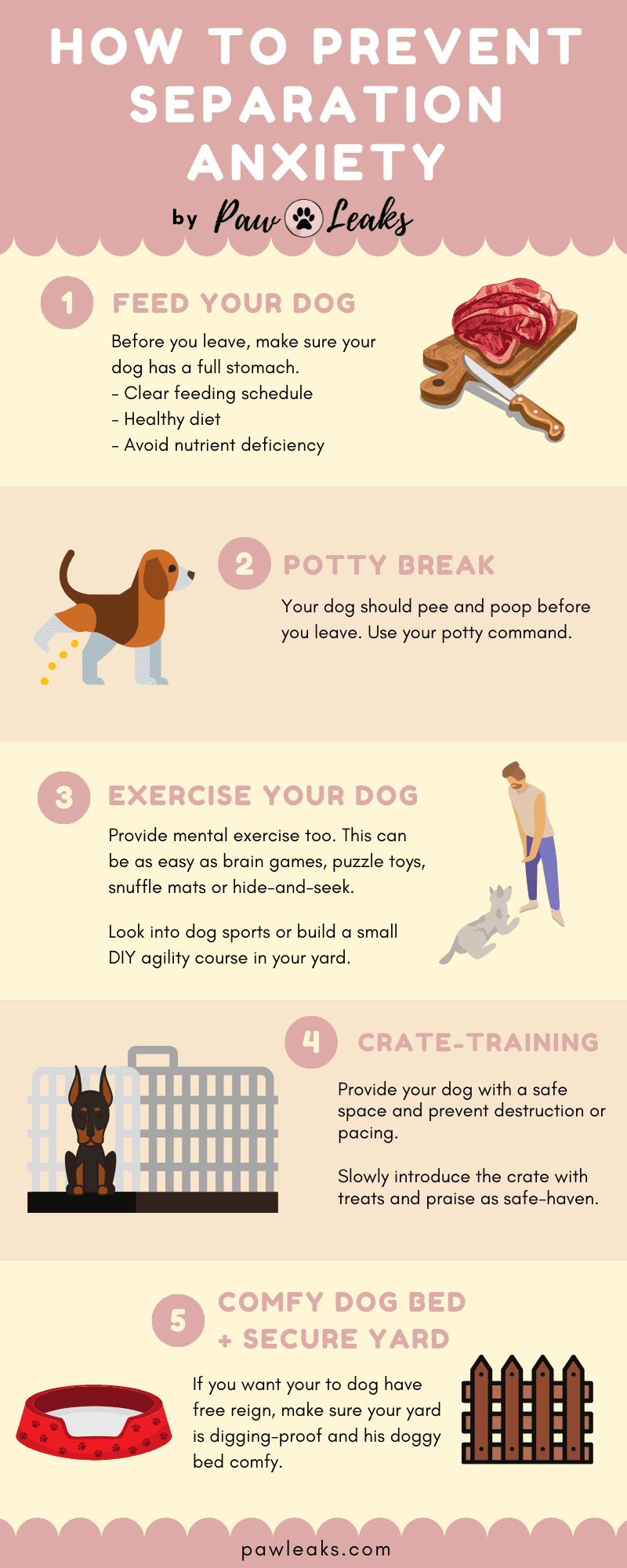
- Creating a safe haven: Designate a comfortable, safe space for your dog, such as a crate (if they are crate-trained and comfortable) or a specific room with their bed, water, and safe chew toys.
- Enrichment: Provide puzzle toys, long-lasting chews, or interactive feeders to keep your dog mentally engaged and distracted.
Step 3: Desensitization to Departure Cues
Dogs are smart and learn to associate certain actions with your departure (grabbing keys, putting on shoes, picking up a bag). You need to desensitize them to these cues.
- Practice departure routines randomly: Pick up your keys and then sit back down. Put on your coat and then take it off. Do these actions at various times throughout the day, not just when you’re leaving. The goal is for these actions to no longer predict your actual departure.
- Short, non-anxiety-provoking absences: Start with extremely short absences. This might mean stepping out the door for just a few seconds, then returning. Gradually increase the duration only if your dog remains calm. If your dog shows signs of anxiety, you’ve gone too fast and need to shorten the absence duration.
Step 4: Counter-Conditioning – Creating Positive Associations
The aim here is to make your dog associate your absence with something highly positive.
- Special “alone time” treats: Reserve specific high-value treats (like stuffed Kongs, LickiMats, or special chews) that your dog only receives when you leave.
- Timing is key: Give these special treats right before you leave. Make sure the treat is something that will keep them occupied for a while, but not so difficult that they become frustrated.
- “Welcome home” neutrality: When you return, do not make a big fuss. Greet your dog calmly once they have settled down. Overly enthusiastic greetings can reinforce the idea that your return is the most exciting event, thus amplifying the distress of your absence.
Advanced Training Techniques and Tools
For more severe cases, additional strategies may be necessary.
Crate Training (Used Thoughtfully)
If your dog finds their crate to be a safe den, it can be a valuable tool. However, if your dog is panicking inside the crate, it can worsen anxiety. Crate training must be a positive experience, never used for punishment.
Noise Phobia Management
If your dog’s anxiety is compounded by noise phobias, consider using calming music specifically designed for dogs, white noise machines, or a Thundershirt.
Professional Help and Veterinarian Consultation
For severe or persistent separation anxiety, professional guidance is invaluable.
- Certified Professional Dog Trainers (CPDT-KA/SA): Look for trainers specializing in behavior modification and separation anxiety. They can create a tailored plan and guide you through the process. Trainers mentioned in
michigan dog training reviewsordog training reviewsmay offer insights. - Veterinary Behaviorists (DACVB): These are veterinarians with advanced training in animal behavior. They can diagnose complex behavioral issues and, if necessary, prescribe medication to help manage severe anxiety. Medication is often used in conjunction with behavior modification to make training more effective.
Medications and Supplements
In some cases, medication or calming supplements prescribed by a veterinarian can be a crucial part of the treatment plan. These are not a cure-all but can help reduce the intensity of the anxiety, making your dog more receptive to behavioral training.
Building Independence: Beyond Just Leaving
Helping your dog cope with being alone involves building their overall confidence and independence.
Independence Exercises
- “Stay” and “Place” commands: Practice these commands in various scenarios, gradually increasing duration and distance.
- Independent play: Encourage your dog to play with toys on their own.
- “Leave it” and “drop it”: These commands help build impulse control, which is beneficial for managing anxiety.
Preventing Problematic Behavior: The Role of Routine and Exercise
A tired dog is a good dog. Ensure your dog receives adequate physical and mental exercise daily. A consistent routine can also help dogs feel more secure. Establish regular feeding times, potty breaks, and exercise schedules.
The Importance of Patience and Consistency
Training a dog with separation anxiety is a marathon, not a sprint. Progress can be slow, with setbacks being a normal part of the process. It requires immense patience, consistency, and a deep understanding of your dog’s emotional state.
- Celebrate small victories: Acknowledge and reward calm behavior, even if it’s just for a few extra minutes.
- Avoid punishment: Punishing a dog for anxiety-related behaviors will only increase their fear and distress.
- Seek support: Connect with other dog owners facing similar challenges or join online communities for encouragement and advice. If you are in the
burleson txarea, looking into local resources likedog training in burleson txcould be beneficial. Similarly, if you needshelter dog training programadvice, seek out reputable organizations.
Conclusion: A Happier, Calmer Companion
Helping your dog overcome separation anxiety is one of the most rewarding challenges a dog owner can undertake. By understanding the causes, implementing a structured training plan based on desensitization and counter-conditioning, and enlisting professional help when needed, you can transform your dog’s experience of being alone. The journey requires dedication, but the result is a more confident, relaxed, and happier companion, allowing both you and your dog to enjoy a more peaceful life together. Remember, consistent effort and positive reinforcement are the cornerstones of success in Separation Anxiety Dogs Training.
