
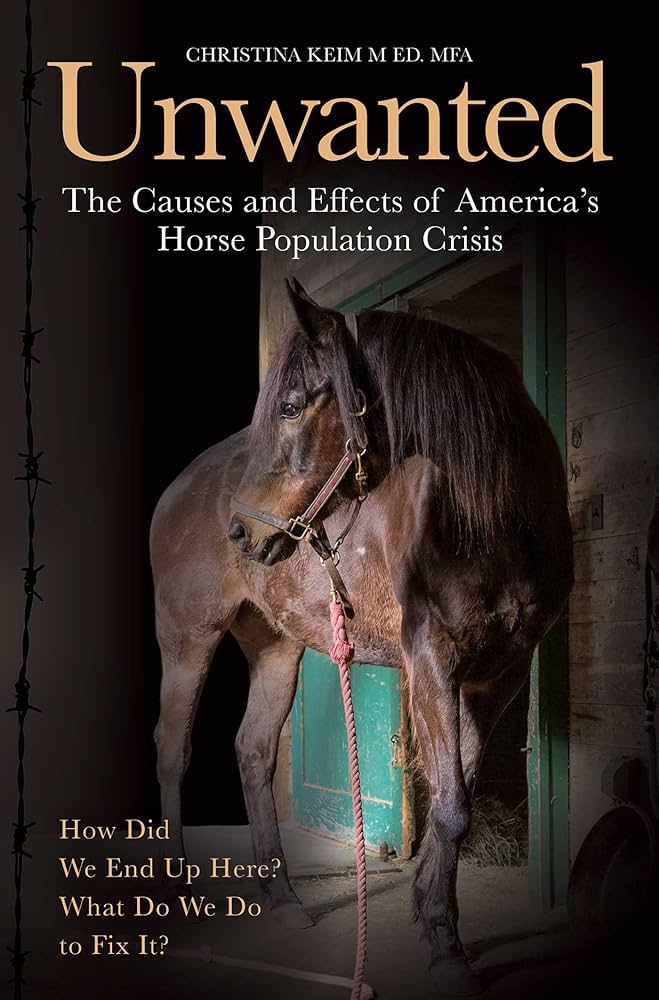
The world of Thoroughbred horse racing is facing a significant crisis, stemming from an overproduction of horses fueled by economic speculation, leading to a decline in foal crops and an increase in the euthanasia of horses. This situation has raised serious ethical questions about the future of the breed and the sustainability of the industry.
The Bursting of the Horse Bubble
The early 21st century witnessed the bursting of what can be described as a “horse bubble” in the Thoroughbred industry. An influx of investment in the 2000s inflated sale prices and stud fees, creating an environment of overproduction. As global economic pressures mounted, particularly after 2008, these inflated prices normalized and dropped, leaving a surplus of Thoroughbreds. This surplus, unfortunately, has had a direct impact on the number of horses being killed. Between 2009 and 2010 alone, there was a decline of over 14 percent in foal crops. This economic downturn has had a pronounced effect on the number of Thoroughbreds on the planet.
While the bursting of this bubble has been unwelcome for many involved in the industry, some argue that it has had a positive effect on breeding practices. Artificially high horse prices and overproduction had led to a decline in the quality of horses. A decrease in rampant mating now encourages a greater focus on quality over quantity within the breed, potentially leading to healthier and more robust animals.
The Perils of Selective Breeding
Despite efforts to improve breeding practices, the pursuit of the “perfect” racehorse has created inherent problems for the Thoroughbred breed. The ideal racehorse is characterized by both speed and lightness. Consequently, breeding has heavily favored Thoroughbreds with substantial muscle mass combined with light bone structure. While this has undoubtedly contributed to increased speed, it has also rendered the horses more fragile. This selective breeding has resulted in a breed described by one writer as possessing “the heart of a locomotive [and] champagne-glass ankles”.
The tragic consequences of this breeding approach have been starkly evident in major races. In 2006, Barbaro, the Kentucky Derby winner, suffered three broken bones in his hind legs during the Preakness Stakes, leading to his euthanasia in 2007 after an extensive battle to save him. The following year, Eight Belles broke both her ankles shortly after finishing second in the 2008 Kentucky Derby, with her injuries deemed fatal and leading to her immediate euthanasia on the track.
A Wider Problem of Injury and Euthanasia
These high-profile incidents involving Barbaro and Eight Belles have shed light on the broader issues facing the Thoroughbred breed. The problem extends far beyond these celebrated cases. In Great Britain alone, the organization Animal Aid documented 729 horses that were injured during races and subsequently euthanized or died between March 2007 and August 2011.
The very existence of the Thoroughbred breed is a result of human intervention, and it is that same intervention that has led to such tragedy. This has placed Thoroughbred racing, and by extension breeding, in a profound “moral crisis”. The question remains whether the lessons learned from the bursting of the Thoroughbred bubble will be heeded to ensure the breed’s long-term well-being.
The future of Thoroughbred breeding hangs in the balance, demanding a critical re-evaluation of current practices to prioritize the health and welfare of these magnificent animals.
References
- Shanklin, Bill. “The 2010 foal crop: less is more.” Horse Racing Business. September 25, 2010.
- Jenkins, Sally. “Is horse racing breeding itself to death?” Washington Post. May 4, 2008.
- Associated Press. “Barbaro euthanized after lengthy battle.” NBC Sports. January 29, 2007.
- Associated Press. “Runner-up Eight Belles breaks front ankles, euthanized on track.” ESPN. May 3, 2008.
- Animal Aid. “Race horse death watch.” Horse Death Watch.
- Jenkins, Sally. “Is horse racing breeding itself to death?” Washington Post. May 4, 2008.
