
Embarking on the journey of search and rescue (SAR) training with your dog is a profound commitment to service, teamwork, and the incredible capabilities of canines. It’s a path that transforms a human-animal bond into a life-saving partnership. If you’ve ever watched a SAR team in action and wondered, “How can I find Search And Rescue Training For Dogs Near Me?” you’re asking the first question on a long but deeply rewarding road. This guide will walk you through the essential steps, requirements, and realities of becoming a certified K9 SAR team.
The first thing to understand is that SAR is almost entirely a volunteer world. Handlers dedicate thousands of hours and personal funds to train themselves and their dogs, purchase gear, and respond to calls at a moment’s notice. It’s a lifestyle built on dedication. This is a journey you and your dog take together, as owner-trained-and-operated teams are the standard. While some facilities offer specialized courses, the idea of sending your dog away to become a SAR dog isn’t how this field operates; the bond and training you do together are paramount, much like the focused programs seen in dog training sleep away camps but with a much longer and deeper commitment.
What Makes a Great Search and Rescue Dog?
While television often showcases German Shepherds and Labradors, the truth is that a good SAR dog is defined by temperament and drive, not just breed. Of course, certain physical attributes are necessary for endurance and agility in harsh conditions. However, the most critical factors are innate.
Key Canine Characteristics
- High Drive: The dog must have an obsessive, insatiable desire to play, typically with a specific toy like a ball or tug. This drive is channeled into the “game” of finding people, where the ultimate reward is that toy.
- Confidence and Courage: A SAR dog must be environmentally stable, meaning they aren’t spooked by loud noises, unstable surfaces, strange smells, or chaotic situations. They need to be comfortable working in disaster zones, dense wilderness, and around heavy machinery.
- Focus and Stamina: The ability to work for long hours in challenging weather and terrain is non-negotiable. They must remain focused on the task, ignoring distractions like wildlife, food, or other dogs.
- Sociability: The dog must be friendly and approachable with both strangers and other animals, as they will be working closely with other rescuers and the people they find.
- Trainability: An ideal candidate is intelligent, eager to please, and learns quickly. They form a strong bond with their handler and are responsive to commands even from a distance.
Breeds from herding, sporting, and working groups often excel, but the right mixed-breed dog with these core traits can be just as successful.
The Other End of the Leash: Are You Ready?
Becoming a SAR handler is just as demanding—if not more so—than training the dog. The dog already knows how to use its nose; the handler’s job is to learn how to read the dog, navigate terrain, and operate safely and effectively within a larger rescue operation.
Handler Requirements and Skills
- Physical Fitness: Handlers must be able to keep up with their dogs, often covering many miles of difficult terrain while carrying a heavy pack with supplies for 24 hours.
- Team Player Mentality: You will be one part of a larger team. The ability to follow instructions, communicate clearly, and work well with others under high-stress conditions is crucial.
- Essential Certifications: Most teams require their human members to have certifications in CPR, First Aid, and land navigation. Many also mandate FEMA’s Incident Command System (ICS) courses to understand how disaster responses are structured.
- Time Commitment: Training is a constant process. Expect to spend a minimum of 8-16 hours per week training with your dog and your team, week after week, for at least two years to reach certification.
- Financial Responsibility: As a volunteer, you will cover the costs of your gear, your dog’s food and veterinary care, travel, and specialized training workshops.
As Dr. Sarah Miller, a veteran SAR handler and canine behaviorist, often states:
“We spend the first year training the dog, and the next year training the human to trust the dog. The handler’s biggest job is to learn the silent language of their canine partner and have the courage to follow where they lead.”
How to Find Search and Rescue Training for Dogs Near Me
The single most important step to starting this journey is to connect with a local SAR team. These are the people who will mentor you, train with you, and ultimately decide if you and your dog are a good fit for their unit.
Step 1: Research Local Teams
Start with a simple online search for “search and rescue teams in [your state]” or “[your county] search and rescue.” Look for official teams that are dispatched by local law enforcement, emergency management agencies, or state police. These are the legitimate organizations that respond to real missions.
Step 2: Make Contact and Volunteer
Once you identify a team, reach out. Do not simply ask, “Can you train my dog?” Instead, explain that you are interested in becoming a search and rescue volunteer and want to learn how to get involved with their K9 unit. Most teams require you to join as a general ground support member first. You will need to learn the ropes of SAR operations—like navigation and radio communication—before you are even considered for a K9 handler position. This period allows the team to get to know you and assess your dedication. Some people are interested in a career path and look into how to be a service dog trainer, which is a different but equally demanding field.
Step 3: Get Your Dog Evaluated
After you’ve spent time with the team and proven your commitment, they will likely evaluate your dog. They will look for the core traits mentioned earlier: drive, confidence, and temperament. Be prepared for the possibility that your current dog may not be the ideal candidate. Many dedicated handlers have had to face this reality and wait to get a different dog more suited to the work.
The Training Process: From Puppy to Pro
Once you and your dog are accepted into a team’s training program, the real work begins. The journey to becoming mission-ready is long and is typically broken down into several stages.
Foundation Skills
This phase focuses on perfect obedience and agility. Your dog must learn to respond to commands instantly, both on and off-leash, and navigate various obstacles with confidence. This is far beyond typical pet obedience.
Scent Work and the “Runaway”
The foundation of all SAR work is teaching the dog the game. This often starts with simple exercises called “runaways” where the dog sees a person run and hide a short distance away. When the dog finds the person, they get an explosive party with their favorite toy. This teaches the core concept: Find Human, Get Reward. Gradually, the distances get longer, the terrain gets harder, and the dog learns to search for hidden subjects they did not see leave.
Specialization
SAR K9s can specialize in different disciplines based on their skills and the team’s needs:
- Trailing: Following a specific person’s scent trail.
- Area Search: Searching a large area for any human scent (e.g., in the wilderness).
- Human Remains Detection (HRD): Locating deceased individuals.
- Disaster Search: Working in rubble and collapsed structures, a skill set that requires a level of training comparable to that of professionally trained security dogs for sale.
Certification
After 18-24 months of consistent training, your team’s leadership will decide if you are ready for certification. This is a rigorous test administered by a recognized state or national body (like the National Association for Search and Rescue – NASAR) that evaluates your skills as a handler and your dog’s ability to perform its job under realistic conditions. Passing this test is what makes you a mission-ready team.
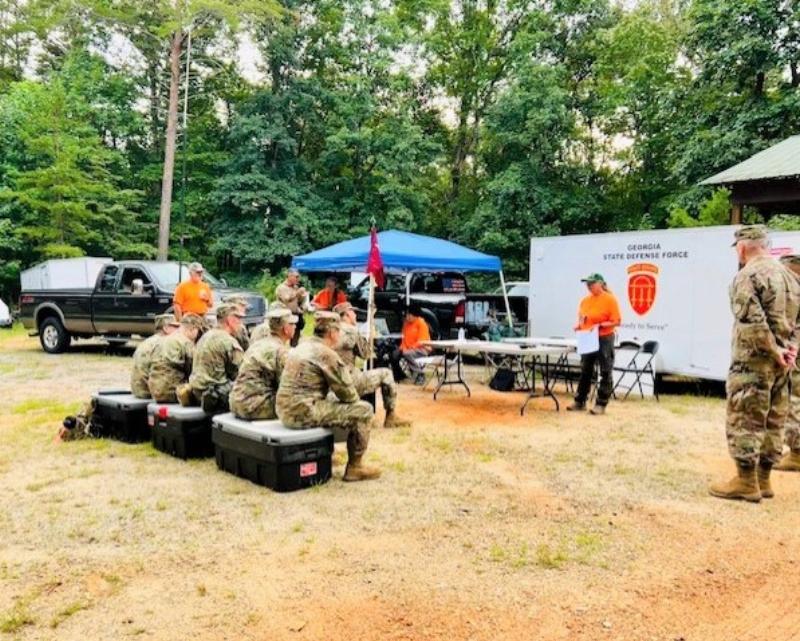 A SAR dog and handler team work together during a wilderness training exercise.
Frequently Asked Questions (FAQ)
What age should a dog be to start SAR training?
While foundational obedience and socialization can start in puppyhood, most formal SAR training begins when the dog is between 1 and 2 years old. They need to be physically and mentally mature enough for the demanding work.
Can any breed be a search and rescue dog?
While working and sporting breeds are common, a dog’s individual drive, confidence, and physical soundness are more important than its pedigree. However, very small breeds or brachycephalic (flat-faced) breeds are generally not suitable for the physical demands of backcountry SAR.
Do search and rescue volunteers get paid?
No. SAR K9 handlers are almost exclusively volunteers. They are responsible for all costs associated with their training, gear, and dog.
How long does it take to become a certified SAR team?
It typically takes about two years of consistent, dedicated training (averaging 10-20 hours per week) to become a mission-ready K9 team. This involves a level of dedication beyond what many expect, and exploring options like looking for a pointer dog training near me might be a good starting point for foundational skills.
What if I don’t have a dog yet?
This can be the ideal situation. By joining a team first as a ground support member, you can learn what handlers look for in a K9 prospect. Your teammates can then help you select a puppy or young dog with the highest potential for success.
Your Path Begins Today
Finding search and rescue training for dogs near me is about more than just locating a class; it’s about finding a community and a calling. It requires a selfless commitment from the human and an joyful spirit from the dog. You will face challenges, frustration, and exhaustion, but the moment your canine partner finds a missing person and brings them back to their family, every second of sacrifice becomes worth it. Start by researching your local teams, be humble, and be prepared to learn. The journey is long, but the destination is one of the most meaningful you and your dog will ever reach.
