
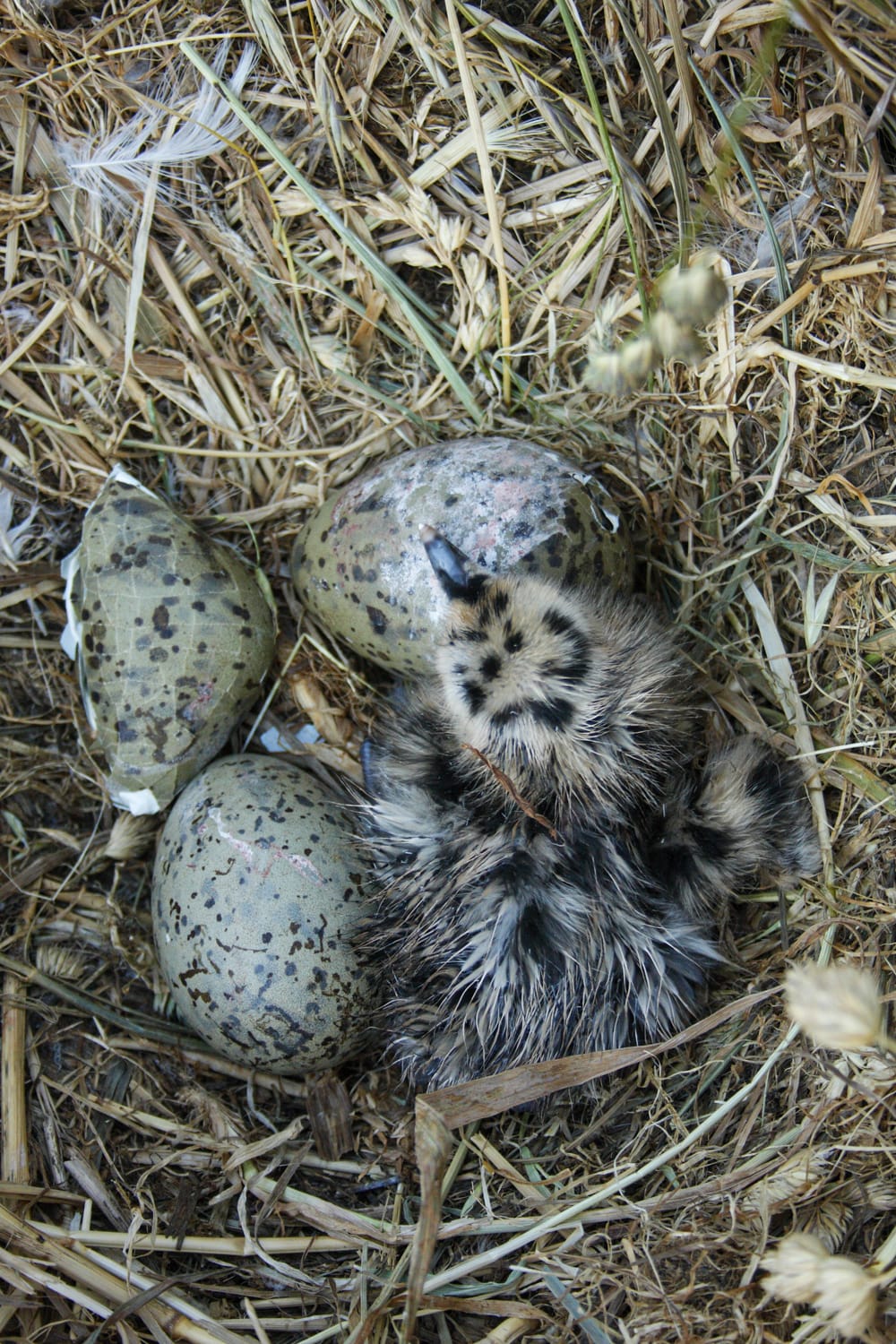
Seagulls, often associated with coastal landscapes, exhibit fascinating nesting behaviors that can bring them into close proximity with human environments. While traditionally nesting on cliffs and sand dunes, urban seagulls have adapted to find suitable nesting sites on buildings and rooftops when natural habitats are unavailable. This adaptability, while demonstrating their resilience, can sometimes lead to conflicts with human neighbors.
Seagulls are known to choose safe, elevated locations for their nests, offering a vantage point to detect potential threats and secure their young. Understanding these preferences is key to managing their presence in urban and suburban areas.
Seagull Nesting Season and Cycle
The typical nesting season for seagulls commences in April or early May and extends through to mid-July. During this period, female seagulls lay clutches of two to four eggs, which require approximately three weeks to hatch. The chicks remain in the nest for about six weeks before they are developed enough to leave and begin their independent lives.
An interesting aspect of seagull nesting habits is their tendency to return to the same nesting sites year after year. This means that if you observe seagull activity and hear their calls during the nesting months of May, June, and July, it’s highly probable they will re-establish their nests in the same location the following year. This predictability can be both a challenge and an opportunity for managing their populations and impact.
Legal Considerations for Seagull Nest Removal
Seagulls, like all wild birds in the UK, are protected under the Wildlife & Countryside Act 1981. Consequently, removing seagull nests is strictly regulated and can only be legally performed with the appropriate license, typically by a professional bird control company. The timing of any intervention is critical for both effectiveness and legal compliance when gull nest removal is necessary. Attempting to remove an active seagull nest without authorization is against the law.
Beyond legal implications, attempting to remove a seagull nest yourself poses a significant risk of agitating the parent birds. Angry seagulls may exhibit aggressive dive-bombing behavior, creating a hazardous situation for individuals. Therefore, it is strongly advised to consult with licensed professionals for any nest removal needs.
Addressing Seagull Noise and Nuisance
While the sound of seagulls might evoke pleasant memories of seaside visits for some, for residents living near nesting colonies or businesses, the constant calls can be a considerable nuisance. Seagulls can generate substantial noise, particularly during the breeding season.
A notable example of this disruption is seen with Kittiwake gulls. These birds are named after their distinctive, shrill calls, “kittee-wa-aaake, kitte-wa-aaake,” and they often congregate in large, dense, and very noisy colonies. The Grand Hotel in Scarborough faced significant challenges when Kittiwake gulls began nesting on the hotel’s ledges instead of their natural cliff habitats. The gulls’ presence led to disturbances for guests, including attacks on balconies, excessive noise, and considerable mess and damage to the building.
Through the strategic implementation of seagull deterrents, such as bird netting, installed outside of the Kittiwake nesting period, the gulls were successfully encouraged to relocate. This was achieved even on a Grade II listed building, demonstrating the effectiveness of professional intervention. Using proven seagull deterrents can help mitigate noise and nesting issues.
Comprehensive Seagull Control Methods
Beyond nest removal, several other effective methods exist for managing seagull populations and addressing the associated problems of noise and guano. These seagull control strategies are designed to deter seagulls from nesting in undesirable locations and to mitigate their impact on properties and businesses.
If you are experiencing issues with seagulls and require expert advice, contacting professional teams is the recommended course of action. You can reach out to local professional teams for guidance or to book a survey and receive a quote for tailored solutions. For further insights into managing seagull problems, reading articles such as “How To Get Rid of Seagulls” can provide additional helpful information.
Seagull populations, especially in urban areas, require a balanced approach to management that respects both wildlife protection laws and the needs of human inhabitants. Professional expertise ensures that control methods are both effective and humane.
