
Seagulls, often maligned, possess remarkable survival strategies that have cemented their success. This guide delves into the captivating behaviors and innate talents that make seagulls true masters of adaptation.
1. Communicate. Loudly.
While their vocalizations may seem like mere squawks and screeches to the untrained ear, seagulls employ a complex system of calls. These range from simple call notes and long calls to more specific alarm, anxiety, and copulation calls. Recognizing these distinct vocalizations can even alert observers to approaching predators, such as bald eagles. The unique “ew-ew-ew-ew-ew-ew-ew” sound, for instance, is a clear indicator of courtship.
2. Cooperate.
Despite their often-confrontational interactions, gulls exhibit a strong sense of cooperation when faced with threats. This social structure, built on seniority and status, ensures that while lower-ranking individuals might be more vulnerable to predators, the colony as a whole can mount a formidable defense. When eagles or foxes attack, gulls unite, engaging in coordinated aerial assaults characterized by diving, screeching, and “shite-bombing” intruders, showcasing a remarkable “shock and awe” tactic. [cite:0, cite:1]
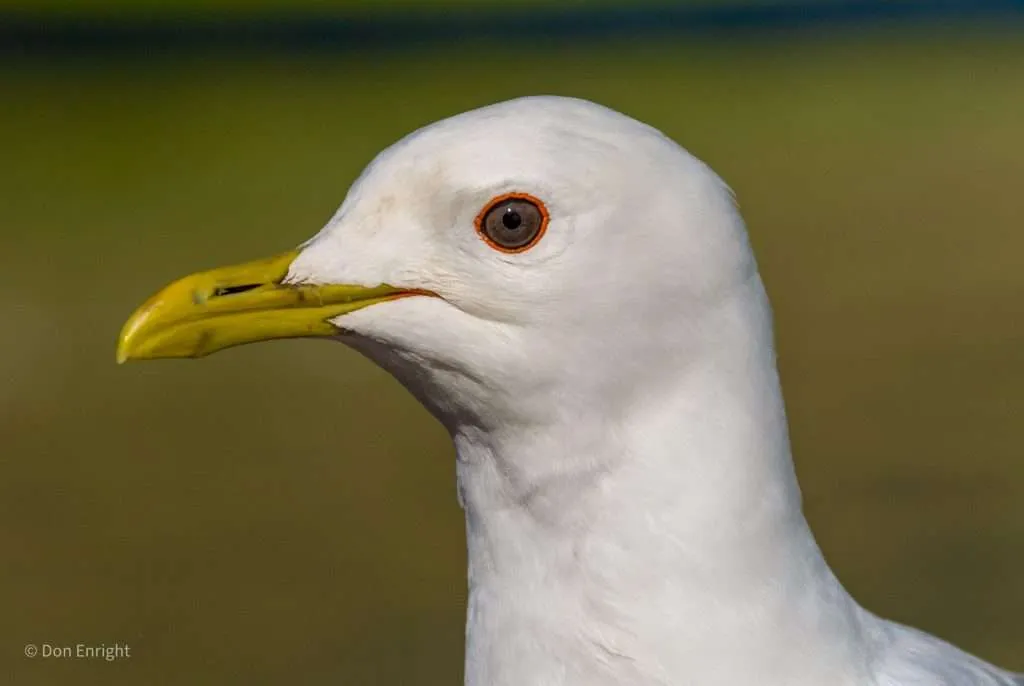 Closeup of a seagull against a blurred background
3. Adapt.
Unlike many endangered species with highly specific needs, gulls are remarkably adaptable and “easy to please.” Their ability to thrive in diverse environments is exemplified by their transition from nesting on offshore rocky islands to urban settings. In Vancouver, gulls expanded their nesting sites to mainland areas and subsequently to flat apartment rooftops, essentially creating artificial islands that offer similar security to their traditional habitats. This flexibility has significantly boosted their breeding success.
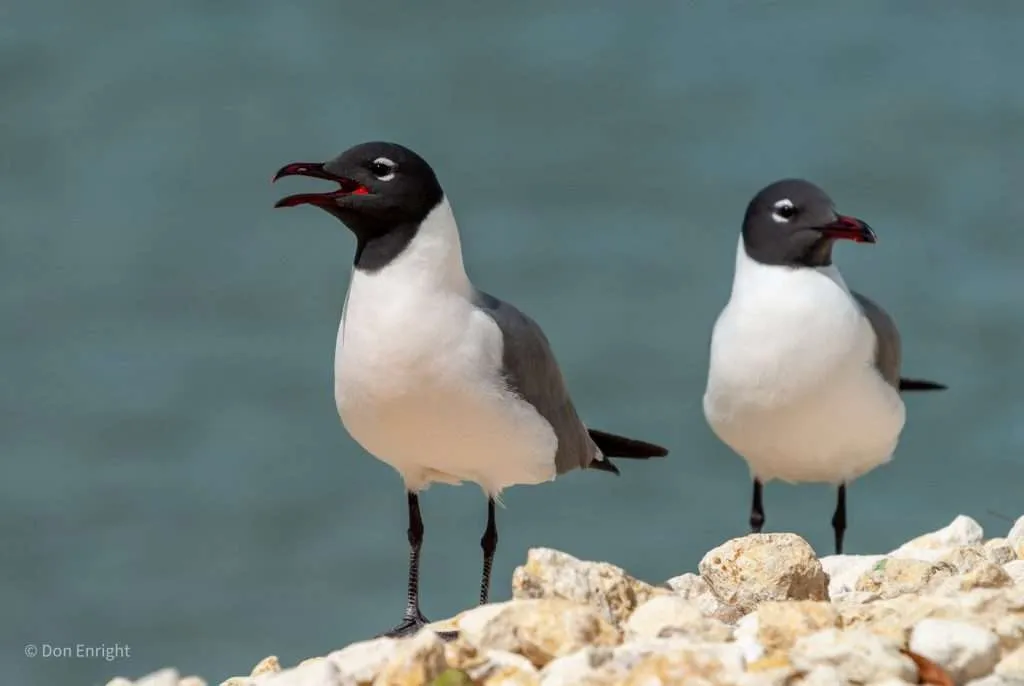 Two seagulls against an ocean background
4. Persevere.
The perseverance of gulls is best illustrated by their opportunistic feeding strategies. Unlike the intensive, high-reinforcement training given to marine mammals, gulls exhibit remarkable patience, waiting for opportunities to snatch food. Even after unsuccessful attempts, such as a gull lunging for fish and being denied, they will persist, waiting for the next chance. This unwavering determination has been observed even in confrontations with large predators like Steller sea lions, where a gull successfully snatched a fish.
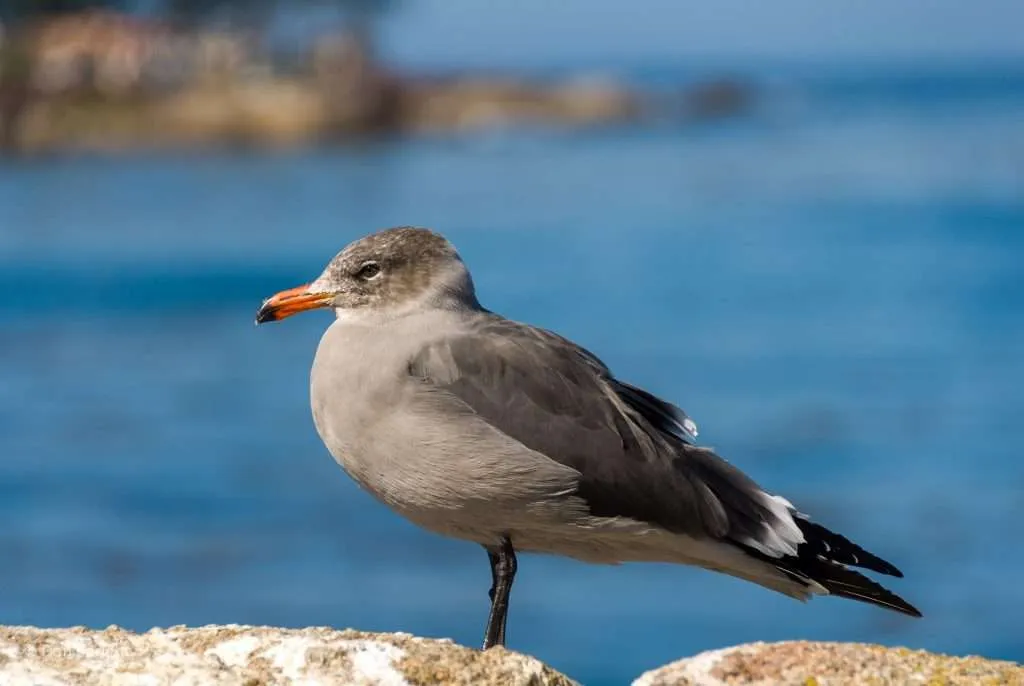 Heermann's gull in profile
5. Use Your Hidden Talents.
Seagulls possess extraordinary abilities, including the capacity to drink saltwater and excrete excess salt through specialized glands near their bills. [cite:0, cite:2] This is a rare trait shared only by a few other animals like seabirds, crocodiles, sharks, and sea turtles. [cite:0, cite:2] Furthermore, despite their scavenging reputation, gulls have a keen ability to detect paralytic shellfish poisoning. They can identify and reject toxic shellfish within minutes, often vomiting up a contaminated clam and avoiding that species thereafter. [cite:0, cite:3]
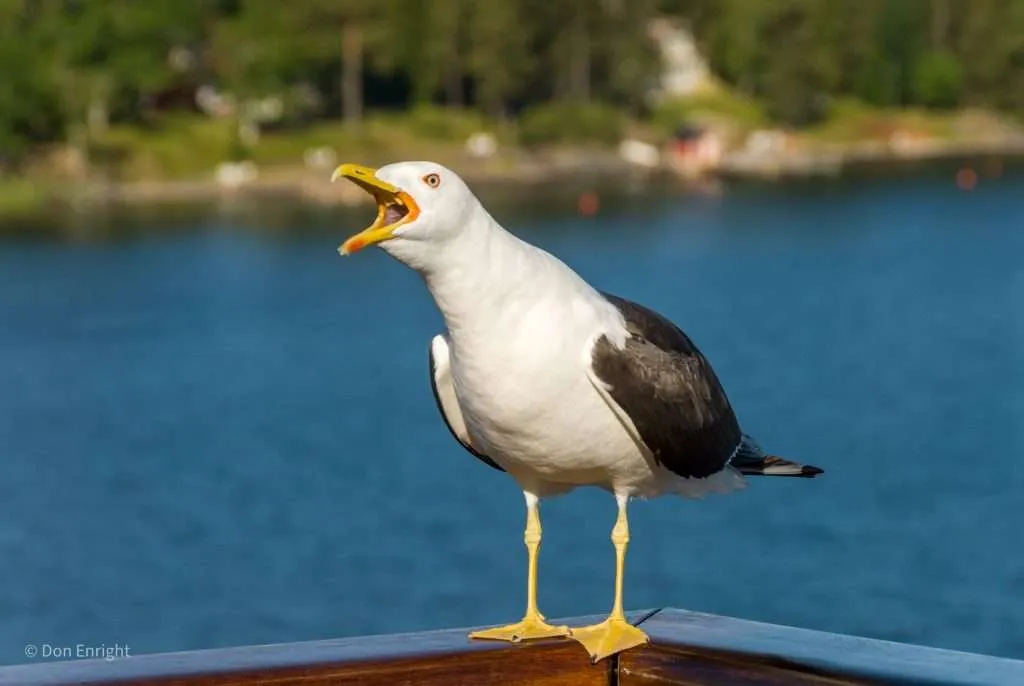 Lesser black-backed gull in flight
6. Diversify.
The astonishing success of gulls can be largely attributed to their incredibly diverse diet. Unlike specialized feeders such as the snail kite, which relies on a single food source, gulls are omnivorous and opportunistic. [cite:0, cite:4] Their diet spans from natural sources like mussels, clams, fish, and bird eggs in wild areas to readily available urban food scraps like french fries and Cheetos. This “small-c catholic” approach to food consumption allows them to thrive in virtually any environment.
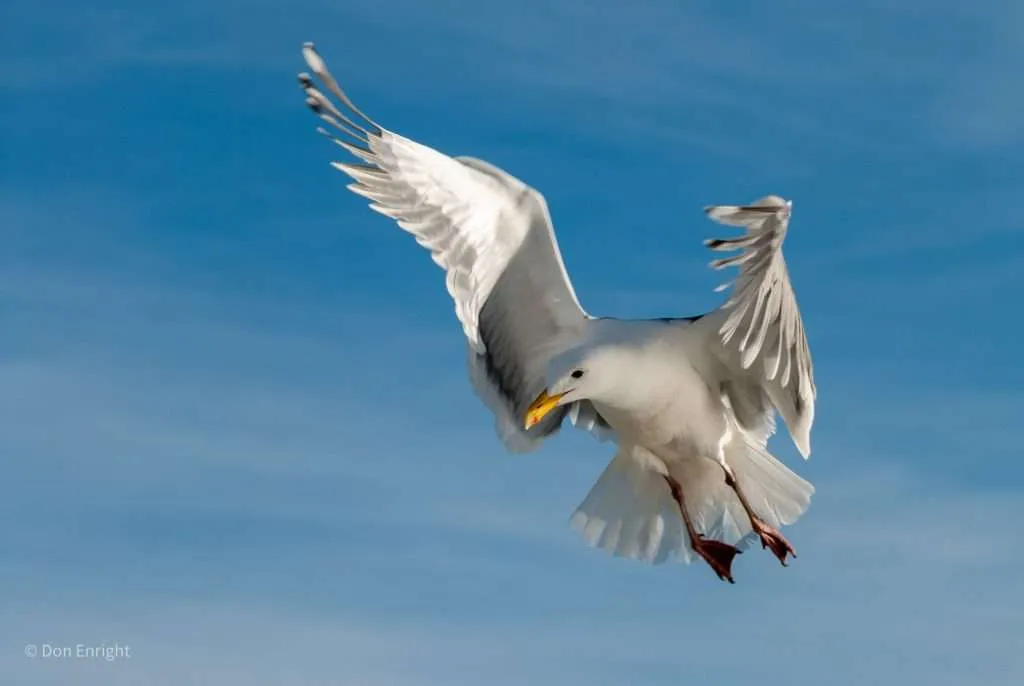 Glaucous-winged gull in British Columbia
7. Just Do It.
Gulls demonstrate a remarkable commitment to reproduction, exhibiting attentiveness as parents to their two or three chicks. They are highly resilient, capable of rebuilding nests and attempting to breed multiple times within a season, even after significant losses due to predators. This contrasts sharply with species like whooping cranes, which may abandon breeding attempts due to minor environmental disruptions.
The impressive reproductive success and flexible feeding habits of seagulls have led to significant population increases, reportedly a 350% rise on the west coast in the last fifty years. This population boom poses a challenge, as gulls can prey on other bird species and their eggs, impacting vulnerable seabird populations. To mitigate this, it is crucial to avoid feeding gulls, particularly by properly disposing of garbage, as they do not require additional human assistance to thrive.
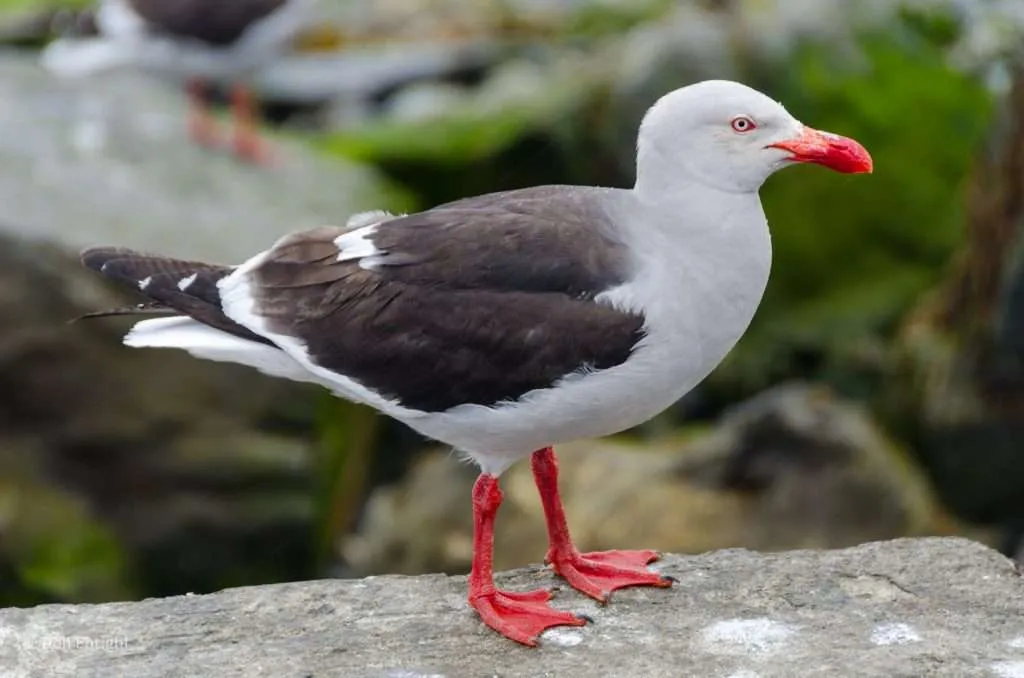 Dolphin gull in profile
If you’ve experienced disruptive encounters with seagulls, such as early morning awakenings or sandwich theft, share your stories in the comments below.
Sign up for weekly Bird Friday newsletters for dedicated bird content.
