
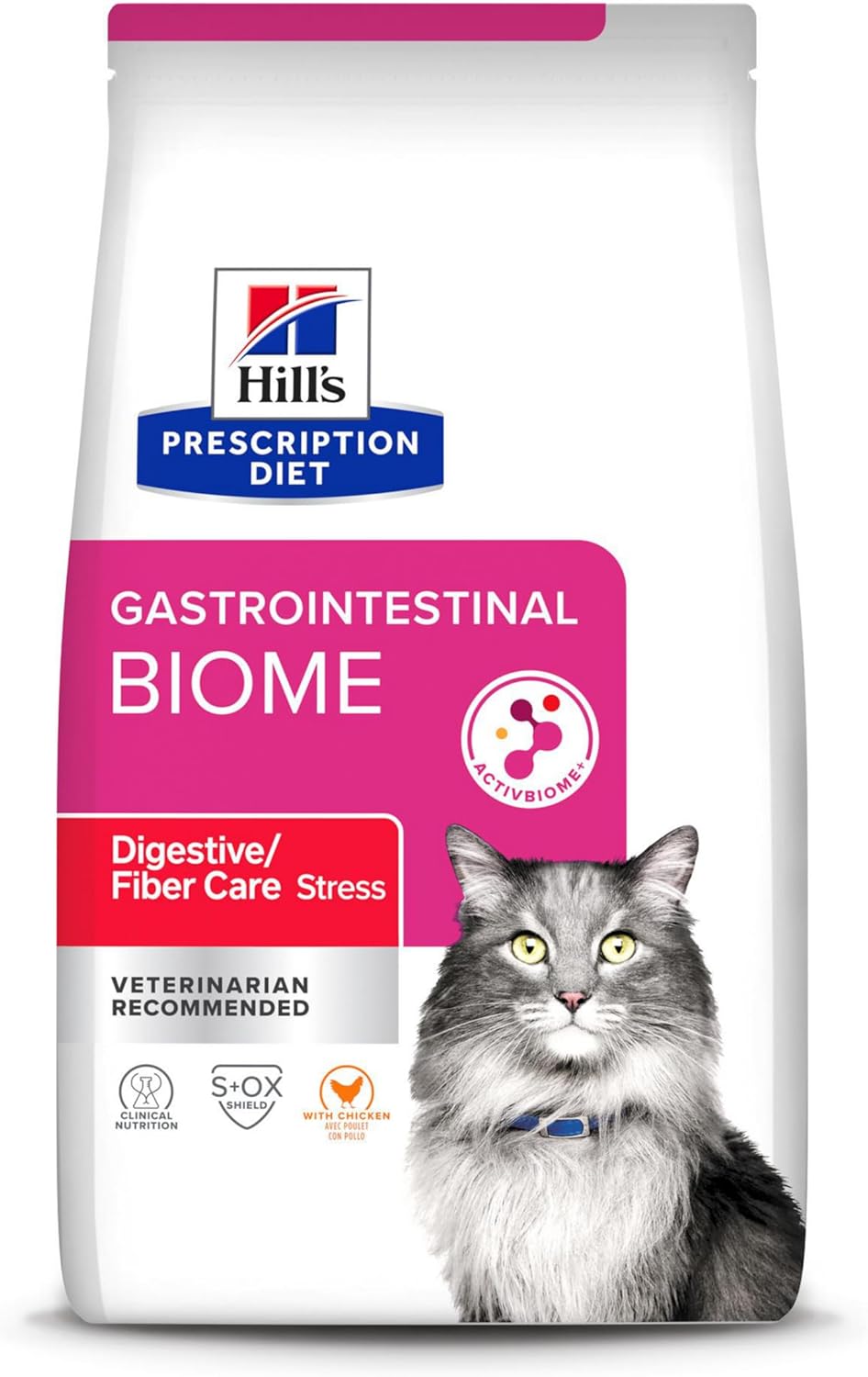
Caring for a cat experiencing digestive upset can be a challenging and stressful situation for both the pet and their owner. Understanding the unique needs of cats with gastrointestinal issues is crucial for their well-being. Hill’s Prescription Diet has developed a specialized food designed to address these concerns, focusing on the critical role of the gut microbiome in a cat’s overall health. This article delves into the features and benefits of Hill’s Prescription Diet Gastrointestinal Biome Stress with Chicken cat food, offering insights into how it can help manage common digestive problems and reduce stress in feline companions.
Understanding Feline Digestive Health and Stress
Digestive health in cats is a complex system influenced by various factors. When a cat experiences diarrhea or constipation, it can lead to significant discomfort and distress. Beyond the physical symptoms, these issues can also impact a cat’s behavior and emotional state, often leading to increased stress. Hill’s Prescription Diet Gastrointestinal Biome Stress is formulated to tackle these interconnected problems by prioritizing the health of the gut microbiome.
The gut microbiome refers to the unique ecosystem of bacteria and other microorganisms residing in a cat’s digestive tract. A balanced microbiome is essential for proper digestion, nutrient absorption, and a robust immune system. When this balance is disrupted, it can manifest as various gastrointestinal problems.
The Science Behind Hill’s Gastrointestinal Biome Stress
Hill’s Prescription Diet Gastrointestinal Biome Stress with Chicken cat food features ActivBiome+ ingredient technology, a proprietary blend of prebiotics. This innovative technology is specifically designed to nourish and activate the gut microbiome. By promoting a healthy microbial balance, it helps to:
- Promote Regular, Healthy Stool: Clinically shown to improve stool consistency and regularity in as little as 24 hours, addressing issues like diarrhea and constipation.
- Support Digestive Health: By working with the unique gut ecosystem of your pet, it aids in better digestion and nutrient absorption.
- Reduce Stress: The formula includes added ingredients specifically chosen to help alleviate stress in cats, recognizing the link between digestive health and emotional well-being.
- Support Overall Well-being: A healthy gut microbiome contributes to a stronger immune system and better overall health for your cat.
Key Ingredients and Nutritional Profile
The primary ingredients in Hill’s Prescription Diet Gastrointestinal Biome Stress with Chicken cat food include chicken, brewers rice, corn protein meal, and chicken fat, providing a good source of protein and essential fatty acids. The formula is also rich in fiber from sources like dried beet pulp and psyllium seed husk, which are crucial for digestive regularity.
Key nutrients and their roles include:
- Prebiotics (Fructooligosaccharides – FOS): These non-digestible fibers act as food for beneficial gut bacteria, promoting their growth and activity.
- Omega-3 and Omega-6 Fatty Acids: Derived from fish oil and chicken fat, these fatty acids support skin and coat health, as well as reduce inflammation.
- Taurine: An essential amino acid crucial for heart health and vision in cats.
- Vitamins and Minerals: A comprehensive blend ensures all nutritional needs are met for adult cats, supporting various bodily functions.
The caloric content is approximately 3807 kcal/kg or 421 kcal per cup, with a protein content of 37.3% and fat content of 17% on a dry matter basis.
Feeding Guidelines and Transitioning
When introducing Hill’s Prescription Diet Gastrointestinal Biome Stress to your cat, it’s essential to do so gradually over a period of 7 days or more. This allows your cat’s digestive system to adapt to the new food, minimizing the risk of further upset.
Transitioning Schedule:
- Days 1-2: 25% new food, 75% old food
- Days 3-4: 50% new food, 50% old food
- Days 5-6: 75% new food, 25% old food
- Day 7 onwards: 100% new food
Always ensure fresh water is available for your cat. It is highly recommended to consult with your veterinarian for specific feeding instructions tailored to your cat’s individual needs and condition. Your vet can monitor your cat’s progress and adjust the diet as necessary.
When to Consult Your Veterinarian
Hill’s Prescription Diet Gastrointestinal Biome Stress is a therapeutic food recommended for adult cats experiencing digestive issues such as diarrhea or constipation, as well as stress-related gastrointestinal upset. However, it is crucial to work closely with your veterinarian. They can accurately diagnose the underlying cause of your cat’s symptoms and determine if this specialized diet is the most appropriate treatment.
Your veterinarian can also provide guidance on the duration of feeding and monitor your cat’s response to the diet. If your cat has specific health conditions, such as kidney disease, or requires a specialized diet like a [feline pancreatitis diet], your vet’s expertise is invaluable. Additionally, if you’re exploring options for [high calorie foods for cats with kidney disease] or [best food for kittens with sensitive stomachs], your veterinarian is the best resource. For those seeking [most nutritious wet kitten food] or [cat wet food for sensitive stomach], professional advice ensures the right choice for your pet’s unique needs.
Conclusion
Hill’s Prescription Diet Gastrointestinal Biome Stress with Chicken cat food offers a scientifically formulated solution for cats suffering from digestive upset and stress. By focusing on nourishing the gut microbiome with its ActivBiome+ technology, this diet helps to restore digestive balance, promote healthy stools, and reduce stress. Always remember to consult with your veterinarian to ensure this food is the right choice for your cat’s specific health needs and to receive personalized feeding recommendations. With the right nutrition and veterinary guidance, you can help your feline friend achieve better digestive health and a happier, more comfortable life.
