
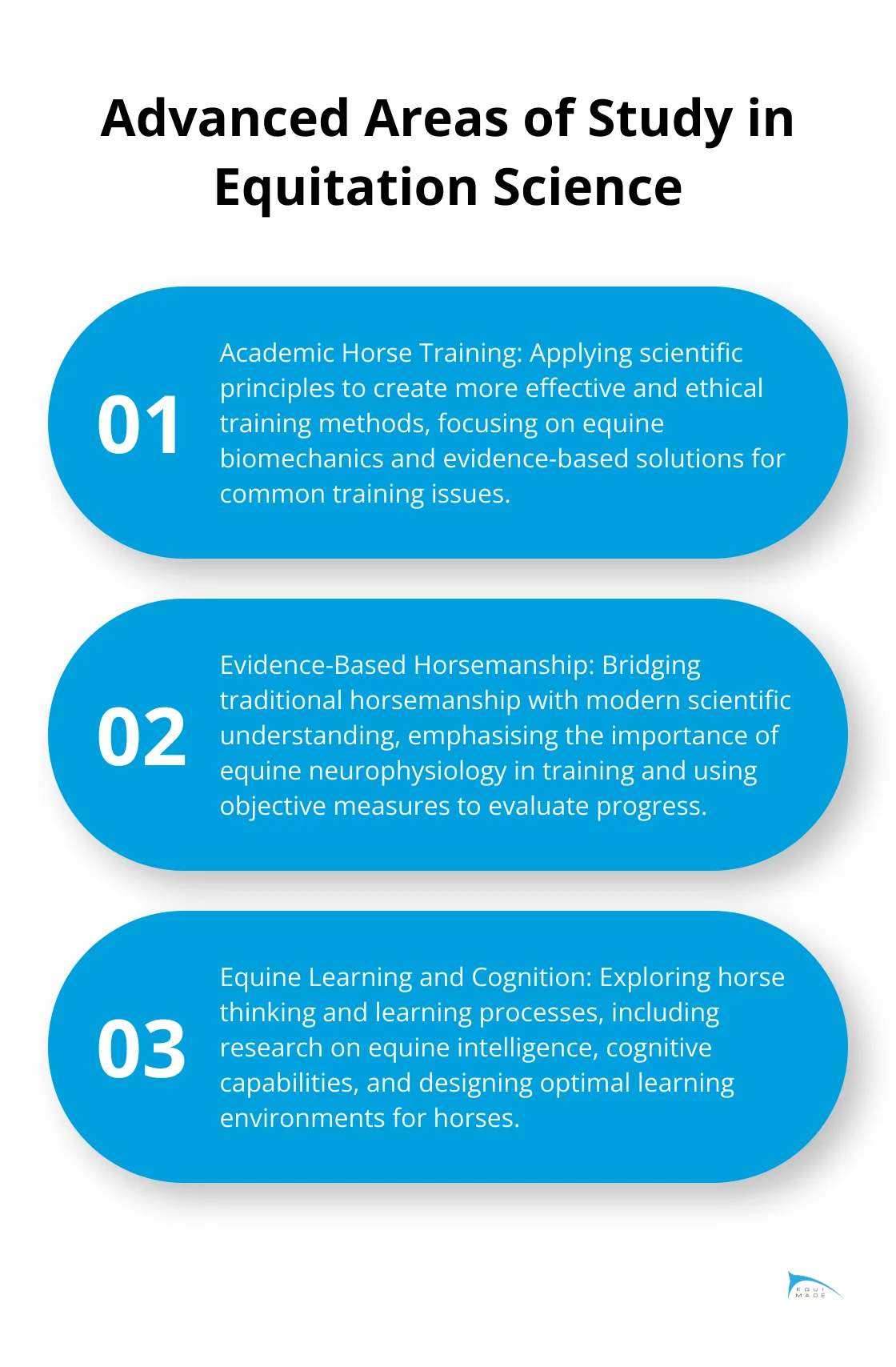
The world of horsemanship is evolving. For centuries, training methods were passed down through generations, a mix of tradition, intuition, and sometimes, force. While these methods produced results, our understanding of the equine mind has deepened significantly. Today, we are in the golden age of Science Based Horse Training, an approach that replaces guesswork with knowledge, and dominance with partnership. This methodology looks at the horse not as a machine to be operated, but as a sentient being with a distinct psychology, biology, and way of learning.
By delving into the “why” behind a horse’s behavior, we can create a more effective, humane, and enriching training experience for both horse and rider. It’s about understanding how a horse’s brain works, how its body moves, and what motivates it naturally. This shift in perspective is revolutionizing stables and arenas around the world, fostering stronger bonds and achieving higher levels of performance. Understanding the principles of this approach is similar to grasping the fundamentals of horse leadership training, as both are built on clear communication and mutual respect.
What Exactly Is Science Based Horse Training?
At its core, science based horse training is the application of scientific principles to equine education. It’s an interdisciplinary approach that draws primarily from three key fields: learning theory, ethology, and biomechanics. Instead of relying on anecdotal evidence or tradition, trainers use proven, evidence-backed methods to communicate with their horses.
The Three Pillars of Science-Based Training
- Learning Theory: This is the psychological study of how animals learn. It explains the processes behind conditioning and motivation. For horses, this means understanding concepts like classical conditioning (associating a neutral cue with a specific event) and operant conditioning (learning through consequences). By understanding how horses make connections, we can design our training sessions to be clearer and more effective.
- Ethology: This is the scientific study of animal behavior in their natural environment. Equine ethology helps us understand why horses do what they do. It reminds us that horses are prey animals with strong herd instincts, a keen awareness of their surroundings, and a natural desire for safety. Training that ignores these innate behaviors is likely to cause stress and resistance.
- Biomechanics: This field studies the mechanics of a living body, focusing on how the skeleton, muscles, and ligaments work together to create movement. A biomechanically sound approach ensures that we are asking the horse to move in a way that is natural and healthy for its body, preventing injury and promoting soundness. It’s about working with the horse’s physique, not against it.
A trainer who embraces this methodology doesn’t just follow a set of steps; they become a thinking equestrian, capable of analyzing problems and creating solutions tailored to the individual horse in front of them. The journey to becoming proficient in this style varies, which raises a common question: how long does it take to become a horse trainer? The answer often depends on one’s dedication to understanding these scientific foundations.
The Core Principles of Learning in Horses
Understanding learning theory is fundamental to science based horse training. The two main components are classical and operant conditioning, which are further broken down by the use of reinforcement.
Operant Conditioning: The Foundation of Training
Operant conditioning is learning through consequences and is the most visible part of horse training. It is defined by four quadrants, though science-based trainers primarily focus on reinforcement.
- Positive Reinforcement (R+): Adding something the horse wants to increase a behavior. A common example is giving a food reward or a good scratch on the withers immediately after the horse performs the desired action, like lifting a hoof.
- Negative Reinforcement (R-): Removing something the horse finds aversive to increase a behavior. This is the most common form of reinforcement in traditional horsemanship, often called “pressure and release.” For example, applying leg pressure (the aversive) and releasing it the instant the horse moves forward (the desired behavior). The release is the reward. A skilled trainer like dale rudin horse training often masters the timing of this release.
- Positive Punishment (P+): Adding something the horse finds aversive to decrease a behavior. This includes actions like jerking the lead rope or using a whip in anger after an unwanted behavior. Science-based trainers largely avoid this, as it can create fear, anxiety, and behavioral shutdown.
- Negative Punishment (P-): Removing something the horse wants to decrease a behavior. An example would be turning away and ignoring a horse that is mugging you for treats.
Dr. Janet Jones, an expert in equine neuroscience, states, “The horse’s brain is wired for reinforcement, not punishment. Fear-based training activates the survival part of the brain, shutting down the thinking part we need for learning complex tasks.”
Classical Conditioning: Building Positive Associations
Classical conditioning involves creating an association between two stimuli. For example, if you consistently say “walk on” just before you apply leg pressure, the horse will eventually learn to walk on from the verbal cue alone. This can be used to create positive associations (e.g., the horse trailer becomes a pleasant place because it’s always associated with a feed mash) or negative ones (e.g., the sight of a saddle causes anxiety because it’s associated with uncomfortable rides).
Benefits of a Science-Based Approach
Adopting a science based horse training mindset offers profound benefits that go far beyond simple obedience. It transforms the entire human-horse relationship into a true partnership.
- Creates an Eager and Confident Learner: When a horse understands what is being asked and is rewarded for its efforts, it becomes an active participant in its own learning. This reduces confusion and frustration, leading to a horse that is more confident and willing to try new things.
- Improves Horse Welfare: By avoiding harsh methods and focusing on positive experiences, we significantly reduce stress, anxiety, and fear. Training sessions become something the horse can look forward to. Furthermore, applying biomechanical principles protects the horse’s physical well-being.
- Enhances Safety and Predictability: A horse trained with clarity and consistency is more predictable and reliable. Because the training builds trust rather than fear, the horse is less likely to spook or react defensively, making it safer for the handler both on the ground and in the saddle. It creates a dynamic where the horse looks to the human for guidance, a principle also explored by trainers like robin horse trainer.
- Builds a Stronger, Deeper Bond: This method is built on two-way communication. You learn to listen to your horse’s subtle signals, and your horse learns that you are a consistent and trustworthy leader. This mutual understanding fosters a level of connection that dominance-based methods can never achieve.
Putting Science Into Practice: Simple Techniques
Integrating science based horse training doesn’t mean you have to abandon everything you know. It’s often about refining your existing techniques with a better understanding of how the horse learns.
Mastering Negative Reinforcement (Pressure and Release)
The key to ethical and effective negative reinforcement is the timing and subtlety of the release. The release is the reward, so it must be instantaneous the moment the horse makes the correct move. A slow release muddies the communication. Start with the lightest possible cue and only escalate if necessary, always returning to that light cue the next time.
Introducing Positive Reinforcement (Clicker Training)
Clicker training is a powerful application of positive reinforcement.
- Charge the Clicker: Start by clicking and immediately giving your horse a high-value treat. Repeat this until the horse visibly associates the click sound with the impending reward. The click becomes a “bridge signal,” marking the exact moment the horse did the right thing.
- Shape a Behavior: Ask for a simple behavior, like touching its nose to a target. The instant its nose makes contact, click and treat. Gradually, you can use the target to “shape” more complex movements, like lowering its head or moving its hindquarters.
The Power of Observation
A huge part of this approach is simply observing your horse. Watch how it interacts with its herd mates. Notice its posture, ear position, and the tension in its muzzle. This is your horse’s language. By learning to read it, you can understand when it’s confused, anxious, or confident, and adjust your training accordingly. This deep level of understanding is a hallmark of a great horseperson, as demonstrated by professionals like sean williams horse trainer.
Frequently Asked Questions (FAQ)
Is science-based training the same as positive reinforcement only?
No, it is not. Science-based training utilizes all aspects of learning theory. While it heavily emphasizes positive reinforcement due to its effectiveness and welfare benefits, it also recognizes the role of ethical and well-timed negative reinforcement (pressure and release), which is a staple in most forms of riding and handling.
Can you use this method with any horse breed or discipline?
Absolutely. The principles of learning, behavior, and biomechanics are universal to all horses, regardless of their breed, age, or intended discipline. The methods are adaptable, whether you are training a racehorse, a trail companion, or a dressage champion.
How is this different from traditional “natural horsemanship”?
While many natural horsemanship practitioners use principles that align with science (like pressure and release), science based horse training is different because it relies on verifiable scientific evidence rather than one individual’s personal system or interpretation of horse behavior. It is constantly updated as new research emerges.
Does this approach work for “problem” horses?
It is often the most effective approach for horses with behavioral issues. By identifying the root cause of the behavior—which is often fear, pain, or confusion—a science-based trainer can address the underlying problem rather than just punishing the symptom. This helps rebuild the horse’s trust and change the unwanted behavior for good.
Where can I learn more about science-based horse training?
Look for resources from equine behaviorists, veterinary schools, and reputable organizations like the International Society for Equitation Science (ISES). There are many certified trainers, books, and online courses dedicated to providing evidence-based information.
Conclusion: A Brighter Future for Horses and Humans
Shifting to a science based horse training framework is more than just learning new techniques; it’s about committing to a path of continuous learning and empathy. It asks us to be more observant, more precise, and more compassionate in our interactions. By putting science at the forefront, we move away from the idea of “breaking” a horse’s spirit and instead focus on building its confidence. The result is a willing, happy, and athletic partner who engages with us not out of submission, but out of a genuine desire to work together. This modern approach doesn’t just create better-trained horses; it makes us better horsepeople.
