
The journey of bringing a dog into your life is filled with joyous moments, boundless energy, and, at times, a few challenging behaviors. Navigating these behaviors and fostering a strong bond with your canine companion is where effective dog training truly shines. At its core, modern, humane dog training emphasizes positive reinforcement, a method that focuses on rewarding desired actions, making it a powerful and ethical approach to shaping your dog’s behavior. This philosophy moves away from outdated, punitive techniques, instead building a foundation of trust and clear communication.
The Evolution of Dog Training: From Command to Cooperation
Historically, dog training often involved harsh methods, relying on intimidation and physical corrections to suppress unwanted behaviors. This approach, while sometimes yielding rapid results, frequently came at the cost of the dog’s well-being, leading to fear, anxiety, and a damaged relationship with their human. Fortunately, our understanding of canine behavior and learning has evolved significantly. Today, professionals and passionate dog owners alike champion methods rooted in science, recognizing that dogs learn best when they are motivated and feel safe.
The concept of positive reinforcement, often summarized as “saying yes” to good behavior, is central to this modern approach. It’s about clearly communicating what we do want from our dogs, rather than solely focusing on punishing what we don’t. This could involve anything from rewarding a dog with a tasty treat for sitting politely when a guest arrives, to offering praise and a favorite toy when they successfully complete a recall command. This method not only teaches the dog specific behaviors but also strengthens the human-animal bond, creating a partnership built on mutual respect and understanding.
Understanding Positive Reinforcement: The Science Behind the Treats
Positive reinforcement is a principle of operant conditioning, a type of learning that associates a behavior with a consequence. In simple terms, when a dog performs a behavior and is immediately followed by something pleasant (a reward), they are more likely to repeat that behavior in the future. The “positive” in positive reinforcement refers to adding something, and “reinforcement” refers to increasing the likelihood of a behavior.
Consider teaching your puppy to ring a bell to go outside. When your puppy sniffs the bell, you might immediately offer a small, high-value treat and praise. As they begin to understand, you might only reward them for touching the bell, then for nudging it, and finally for ringing it. Each successful step is rewarded, making the desired behavior—ringing the bell—more likely to occur. This process, when applied consistently, can lead to remarkable results without causing distress.
Key Components of Positive Reinforcement Training:
- Rewards: These can be highly motivating treats, enthusiastic praise, a favorite toy, or even a gentle scratch behind the ears. The key is to find what your individual dog finds most rewarding.
- Timing: The reward must be delivered immediately after the desired behavior occurs, ideally within one to two seconds. This ensures the dog clearly associates the action with the positive consequence.
- Consistency: Everyone in the household needs to be on the same page with training cues and reward systems. Inconsistency can confuse the dog and slow down the learning process.
- Clear Cues: Using distinct verbal cues or hand signals for each behavior helps your dog understand what is being asked of them.
Beyond Treats: The Spectrum of Reinforcement
While treats are a powerful tool, positive reinforcement encompasses a broader range of rewards. Understanding your dog’s individual preferences is crucial for effective training. For some dogs, a vigorous game of fetch might be more motivating than any treat. For others, a heartfelt “good boy!” delivered with genuine enthusiasm can be just as effective.
The goal is to discover what truly drives your dog and use those motivators to shape their behavior. This might involve learning about dog training ventura county to find local resources that can help identify what works best for your specific dog’s breed and personality.
Addressing Common Dog Training Challenges with Positivity
Many common behavioral issues, from jumping on guests to excessive barking, can be effectively managed using positive reinforcement techniques. Instead of punishing the behavior, we aim to redirect it or teach an alternative, more desirable behavior.
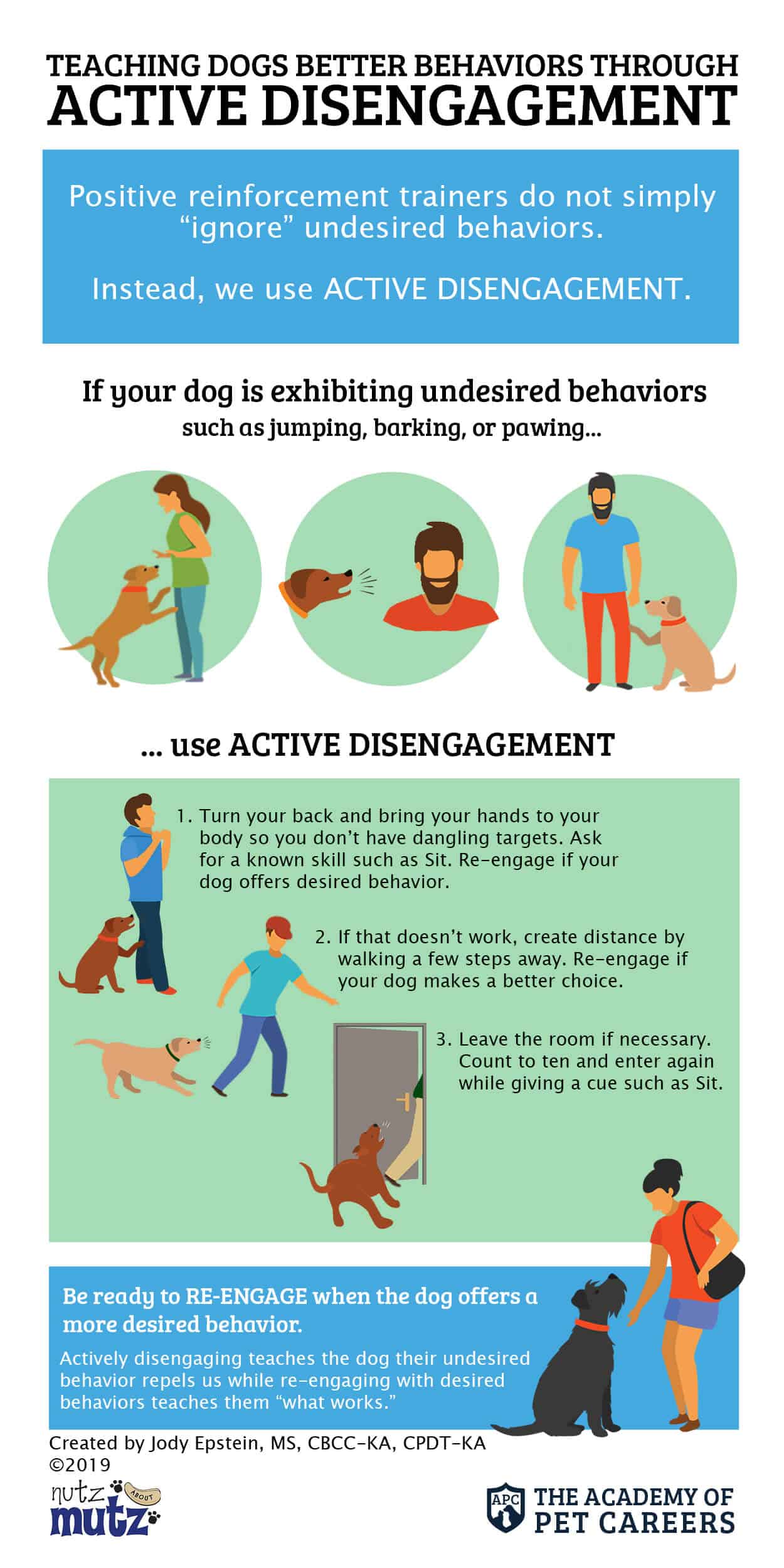
For example, if your dog jumps on visitors, you wouldn’t typically scold them, as even negative attention can be reinforcing. Instead, you might keep them on a leash initially and reward them with a treat and praise for keeping all four paws on the floor when someone enters. If they do jump, the visitor can simply turn away, withdrawing attention until the dog is calm. This teaches the dog that calm behavior, not jumping, earns them positive interaction. This is similar to how dog biting training puppy works, by redirecting nipping behaviors and teaching gentle mouthing through positive reinforcement.
Practical Applications:
- Leash Manners: Reward your dog for walking calmly by your side without pulling. When they do pull, simply stop walking until the leash slackens, then continue. This teaches them that loose-leash walking is what gets them where they want to go. Learning humane dog training methods can provide structured approaches to this.
- Recall: Make coming to you the most rewarding thing your dog can do. Use high-value treats and enthusiastic praise when they respond to their name or recall cue. Never call your dog to punish them, as this will make them hesitant to come back in the future. A good recall is paramount for safety, and training it effectively is key. The concept of a “dog trainer walk next to me” also emphasizes positive engagement and rewards for good heeling.
- House Training: Frequent potty breaks, especially after waking up, eating, or playing, are essential. Reward your dog immediately after they eliminate outside. Accidents indoors are learning opportunities; clean them up without punishment.
The Importance of “Saying Yes”: Building a Foundation of Trust
The philosophy of “saying yes” in dog training is about more than just dispensing treats; it’s about building a positive and trusting relationship. When dogs understand that performing certain actions leads to good things, they become more confident, eager to please, and less likely to resort to problem behaviors born out of frustration or fear.
This approach is not only effective but also deeply rewarding for both the dog and the owner. It transforms training from a chore into an enjoyable activity that strengthens the bond between you and your canine companion. By focusing on what you want your dog to do and rewarding them generously, you create a harmonious partnership that enriches both your lives. This is the essence of mind your manners dog training, where good behavior is cultivated through positive interactions.
Expert Insights on Positive Training
Dr. Sarah Miller, a renowned canine behaviorist, emphasizes the long-term benefits of positive reinforcement. “Punishment-based methods can suppress behavior temporarily, but they don’t address the underlying cause and can lead to increased anxiety and aggression,” she states. “Positive reinforcement, on the other hand, teaches the dog what to do, fostering a deeper understanding and a stronger, more trusting relationship. It’s about guiding them with kindness and clarity, much like you would guide a child.”
Her perspective highlights that effective training is a journey of communication and mutual respect. It’s about understanding your dog’s needs and motivations, and using that knowledge to create a well-behaved and happy pet.
Frequently Asked Questions About Dog Training
Q: How quickly will my dog learn with positive reinforcement?
A: The speed of learning varies greatly depending on the dog’s age, breed, individual personality, the complexity of the behavior, and the consistency of training. However, dogs generally learn more readily and enthusiastically when motivated by rewards.
Q: Is positive reinforcement suitable for all dogs, including strong-willed breeds?
A: Absolutely. While some breeds may require more patience and creativity, positive reinforcement is universally effective. It focuses on understanding what motivates your dog and using that to guide their behavior, making it adaptable to any personality.
Q: What if my dog isn’t motivated by treats?
A: If treats aren’t working, explore other high-value rewards. This could include a favorite toy, a vigorous play session, enthusiastic praise, or opportunities to do something they enjoy, like going for a walk.
Q: How do I stop unwanted behaviors if I can’t punish them?
A: The key is management and teaching an alternative behavior. For example, if your dog barks at the mail carrier, manage the situation by giving them a chew toy or a task to focus on during mail delivery. Simultaneously, train a cue like “quiet” or reward them for calm behavior when the mail carrier is present.
Q: When should I seek professional help for dog training?
A: It’s advisable to seek professional help if you’re struggling with persistent behavioral issues, aggression, severe anxiety, or if you simply want to ensure you’re using the most effective and humane methods. A qualified positive reinforcement trainer can provide personalized guidance.
Conclusion: Embrace the “Yes” for a Happier Dog
The phrase “Say Yes Dog Training” encapsulates a philosophy of encouragement, reward, and clear communication. By embracing positive reinforcement, you’re not just teaching your dog commands; you’re building a partnership based on trust, respect, and mutual understanding. This approach leads to a well-behaved companion and a deeper, more fulfilling relationship. So, let’s celebrate the good moments, reward the progress, and continue to say “yes” to the journey of positive dog training.
