
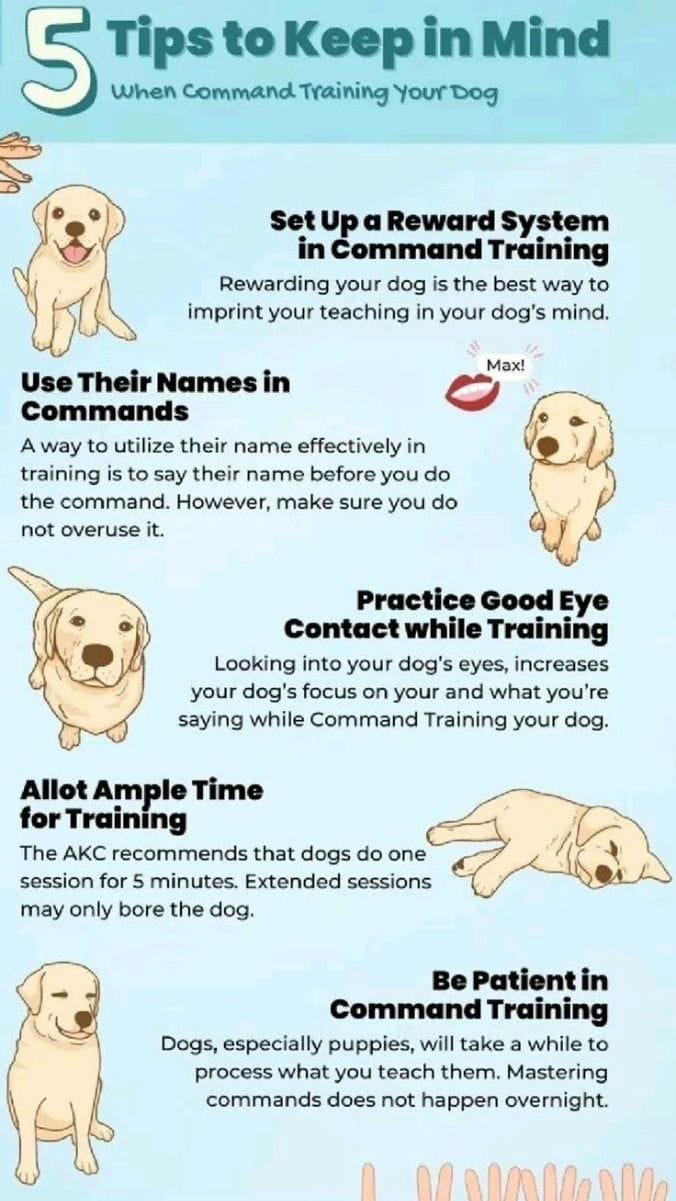
Training your dog can feel like a constant battle of wills, a series of commands and corrections. But what if there was a simpler, more effective way? Enter the “say it once” philosophy in dog training. This approach, rooted in clarity, consistency, and understanding canine communication, can revolutionize your relationship with your furry friend. It’s about making every interaction count, ensuring your dog understands what you’re asking the first time, every time. Imagine a training session where your dog gets it immediately, paving the way for a more harmonious life together. This isn’t about magic; it’s about smart, effective training techniques that build a strong foundation of trust and communication.
The Power of Clarity: Why “Say It Once” Works
At its core, the “say it once” method is about clear communication. Dogs don’t understand human language in the same way we do; they rely on tone, body language, and consistent cues. When we repeat commands over and over, we inadvertently teach our dogs that our initial request wasn’t serious or that they have multiple chances to respond. This can lead to confusion and a lack of respect for the command itself.
- Reduces Confusion: By delivering a command once, with clear intent and appropriate body language, you eliminate the ambiguity that often plagues training sessions. Your dog learns to pay closer attention because they know they have one opportunity to get it right.
- Builds Respect: When a dog consistently responds to a single command, it fosters a sense of respect for the handler’s leadership. They learn to trust that your commands are important and meaningful.
- Increases Engagement: A single, well-timed command encourages your dog to be more present and engaged in the training process. They’re not waiting for you to repeat yourself; they’re actively listening and anticipating your needs.
- Saves Time and Frustration: For both the dog and the owner, this method leads to quicker training progress and fewer frustrating moments. Imagine the relief of not having to nag your dog to sit!
Laying the Foundation: Prerequisites for Single-Command Success
Before you can effectively implement the “say it once” approach, a few foundational elements need to be in place. This isn’t a trick you can pull out of a hat; it requires preparation and a solid understanding of your dog.
Understanding Your Dog’s Communication
Dogs communicate constantly through body language. Learning to read your dog’s signals – tail wags, ear position, facial expressions, posture – is crucial. Are they anxious, excited, confused, or ready to work? Understanding these cues helps you time your commands perfectly and assess their readiness to learn.
Building a Positive Reinforcement Framework
The “say it once” method thrives on positive reinforcement. This means rewarding your dog immediately after they successfully perform the desired behavior. Rewards can include high-value treats, enthusiastic praise, or a favorite toy. This association makes the command and its successful execution a positive experience for your dog. If your dog is struggling with the concept of positive reinforcement, resources on how to dog train can provide a great starting point.
Establishing a Consistent Routine
Consistency is king in dog training. This applies to the commands you use, the rewards you offer, and the environment in which you train. Everyone in the household should use the same commands and hand signals. Inconsistent application will confuse your dog and undermine the “say it once” principle.
Implementing the “Say It Once” Technique: Step-by-Step
Now, let’s get practical. How do you actually train your dog to respond to a command the first time it’s given?
Step 1: Choose Your Command and Cue
Select a clear, concise command word (e.g., “Sit,” “Stay,” “Come”). Pair this verbal cue with a distinct hand signal. Using both a verbal cue and a visual cue reinforces the command and provides an alternative if your dog is distracted.
Step 2: Set Up for Success
Start in a quiet, low-distraction environment. Ensure you have high-value rewards readily available. Your dog should be slightly hungry, not over-energized or sleepy.
Step 3: Deliver the Command Clearly
When you want your dog to perform a behavior, stand or crouch at their level. Make eye contact, use your chosen command word once, and immediately present the hand signal.
Step 4: Guide and Reward (If Necessary)
- If your dog complies immediately: Lavish them with praise and offer the reward. Make it a party!
- If your dog hesitates or doesn’t comply: Gently guide them into the desired position. For example, if teaching “sit,” you might gently push their hindquarters down while repeating the command and signal. Crucially, only repeat the command or guide them if they don’t respond the first time. The goal is to ensure they eventually perform the action, but the primary focus is on making the first attempt successful.
- If your dog is completely distracted: End the session on a positive note and try again later in a less distracting environment. Pushing them when they’re not receptive will be counterproductive.
Step 5: Fade the Lure/Guidance
As your dog begins to understand, gradually reduce the physical guidance. First, use just the hand signal, then fade the hand signal, relying only on the verbal cue. Always reward successful responses. This process requires patience and understanding, similar to mastering how to train your dog pee pad – consistency is key.
Step 6: Increase Distractions Gradually
Once your dog reliably responds in a quiet environment, start introducing minor distractions. Train in different rooms, then in the yard, then on walks. If they struggle, return to a less distracting environment and build back up. This progressive approach is vital for generalization, much like teaching how to train dog to walk on leash.
Common Challenges and Solutions
Even with the best intentions, you might encounter hurdles. Here’s how to address them:
- My dog doesn’t seem to listen: This often points to a lack of clear communication or insufficient reward value. Re-evaluate your timing, tone, and the desirability of your rewards. Are you truly using high-value treats? Sometimes, professional guidance, such as that found in dog obedience training denver, can provide tailored solutions.
- I keep repeating myself: This is the very behavior the “say it once” method aims to correct. Take a deep breath, reset, and commit to delivering the command only once, paired with a clear signal. If they don’t respond, help them to the correct position or end the session. Don’t fall into the repetition trap.
- My dog only listens when I have treats: This is a common stage in training. Gradually phase out treats for known commands, replacing them with verbal praise or a brief play session. Eventually, you want your dog to respond because they understand and respect the command, not just for the treat. Treats are powerful motivators, especially in the early stages of mastering complex behaviors like precision k9 work austin dog training.
Beyond Basic Commands: Applying “Say It Once” to All Interactions
The “say it once” philosophy extends beyond formal training sessions. It’s about cultivating a mindset of clear, respectful communication in all your interactions with your dog.
- Leash Manners: Instead of repeatedly telling your dog to stop pulling, use a single cue to release tension or change direction when they pull, rewarding them when the leash is slack.
- Greeting Guests: Teach your dog a single cue to go to their mat or stay put when visitors arrive.
- Managing Energy: Use a clear cue for “settle down” when your dog is overly excited.
Ultimately, mastering the “say it once” approach transforms training from a chore into a rewarding dialogue. It deepens the bond between you and your dog, built on mutual understanding and respect. By committing to clear, consistent communication, you empower your dog to be their best, most responsive self, making every moment together a story worth telling.
