
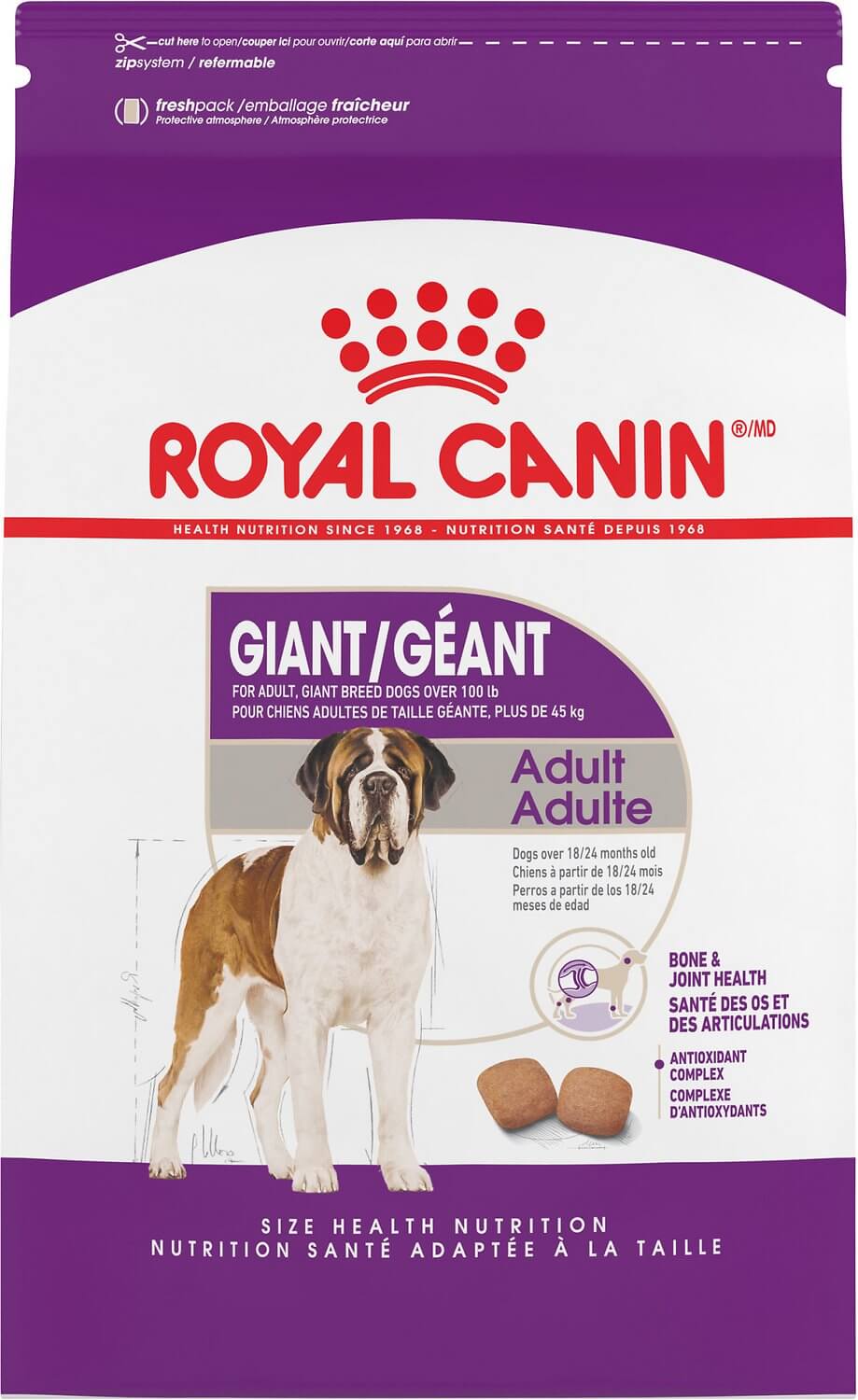
Royal Canin Size Health Nutrition Large dog food line offers a range of recipes designed to cater to the specific needs of large breed dogs. This review focuses on the dry food options, analyzing their ingredients, nutritional content, and overall value for pet owners. The brand aims to provide targeted nutrition, but it’s essential to understand the composition of these formulas to make informed decisions for your canine companion.
The Dog Food Advisor’s evaluation of the Royal Canin Size Health Nutrition Large dog food range, which includes four recipes, indicates an average rating of 3.5 stars. The individual ratings vary from 3.5 to 4.5 stars, with the Royal Canin Large Puppy recipe receiving the highest marks at 4.5 stars, while the other three adult maintenance formulas, including Royal Canin Large Adult, Royal Canin Large Adult 5+, and Royal Canin Large Aging 8+, each maintain a 3.5-star rating. This suggests a generally consistent quality across the product line, with a particular emphasis on supporting puppies through their crucial growth stages.
Recipe and Label Analysis
To provide a comprehensive assessment, this review details the analysis of Royal Canin Large Adult as a representative of the product line. The estimated dry matter nutrient content reveals a protein level of 26.7%, fat at 16.7%, and carbohydrates at approximately 48.6%. These figures are derived from the guaranteed analysis and adjusted for dry matter content, offering a clearer picture of the food’s nutritional makeup.
The ingredient list for Royal Canin Large Adult begins with chicken by-product meal. This ingredient is a dry, rendered product derived from the parts of a chicken not typically consumed by humans, such as organs, feet, and beaks. While it may sound unappealing, by-product meals are concentrated sources of protein, often containing significantly more protein than fresh chicken. The quality of this ingredient can fluctuate based on the raw materials used by the manufacturer.
Following chicken by-product meal is brewers rice, a byproduct of rice milling, consisting of small fragments left after the whole grain is processed. While it provides caloric energy, its nutritional value to dogs is considered moderate. Wheat is the third ingredient, an inexpensive cereal grain that, like corn, offers energy but has a modest nutritional contribution for dogs. This is why wheat is generally not considered a preferred ingredient in premium dog foods.
Brown rice, a complex carbohydrate, is also present. Once cooked, it can be relatively easy for dogs to digest and offers energy, though its overall nutritional significance is moderate. The fifth ingredient is chicken fat, a quality source of essential omega-6 fatty acids, specifically linoleic acid, which is vital for a dog’s health.
Corn gluten meal is listed next. This is a protein-rich byproduct of corn processing. Although it contains a high percentage of protein (around 60%), its biological value is typically lower than that of meat-based proteins. Plant-based protein boosters like corn gluten meal can inflate the total protein content listed on the label, making it crucial to consider the actual meat content of the food.
Following natural flavors, the ingredient list includes dried plain beet pulp. Beet pulp is a source of fiber and can contribute to intestinal health and blood sugar regulation. While some view it as a filler, its inclusion in reasonable amounts is generally considered acceptable for most dog foods. Fish oil is also included, a valuable source of omega-3 fatty acids, EPA and DHA, which are highly bioavailable and beneficial for dogs.
The analysis also notes the presence of chelated minerals, which are minerals chemically bound to protein, enhancing their absorbability and indicating a higher quality formulation. However, the recipe does not explicitly mention probiotics, which are beneficial bacteria that aid digestion. Additionally, the inclusion of sodium selenite, a controversial form of selenium, is noted, as it is considered nutritionally inferior to more natural sources like selenium yeast.
Nutrient Analysis
Based on the ingredients, Royal Canin Size Health Nutrition Large Dog Food is classified as an average dry dog food. The dry matter analysis shows a protein content of 27%, fat at 17%, and carbohydrates around 49%. When compared to the brand’s average protein content of 28% and fat of 16%, the carbohydrate content for the entire product line averages around 48%. The fat-to-protein ratio stands at approximately 59%.
This nutritional profile indicates above-average protein, near-average fat, and near-average carbohydrates when contrasted with typical dry dog foods. Considering the protein-enhancing effect of ingredients like corn gluten meal and wheat gluten found in some of the recipes, this kibble appears to contain a moderate amount of meat.
Royal Canin Dog Food Recall History
As of January 2026, there are no recalls noted for Royal Canin dog food products. The brand has a history of safety and has not been associated with any major recalls in recent years.
Our Rating of Royal Canin Size Health Nutrition Large Dog Food
Royal Canin Size Health Nutrition Large dog food is a grain-inclusive dry food that utilizes a moderate amount of named by-product meal as its primary animal protein source. Consequently, it has earned a rating of 3.5 out of 5 stars.
Recommended with Reservations
This rating reflects a balance between the brand’s targeted nutritional approach for large breeds and the presence of certain ingredients that might not align with the preferences of all pet owners. While the formulas are designed to support the specific life stages and sizes of large dogs, particularly puppies, the use of by-product meals and certain carbohydrate sources warrants consideration.
Compare Royal Canin Size Health Nutrition Large Dog Food
For owners seeking to compare Royal Canin Size Health Nutrition Large with other highly recommended brands, The Dog Food Advisor provides extensive comparison data. This allows for an informed choice based on a variety of factors, including ingredient quality, nutritional balance, and price point, ensuring the best possible nutrition for your large breed dog.
A Final Word
The Dog Food Advisor operates independently, accepting no financial incentives for its reviews. Referral fees from online retailers support the site’s operational costs, ensuring that reviews remain unbiased and informative. For detailed information on the review process and disclosure policies, please refer to the Disclaimer and Disclosure page.
