
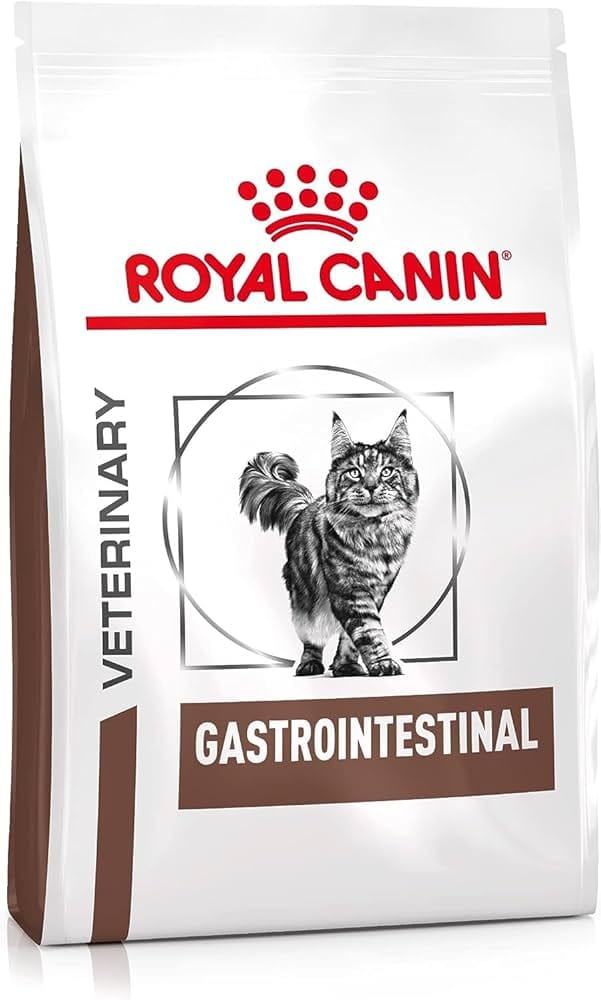
For cats experiencing digestive sensitivities, the right nutrition is paramount to ensuring healthy digestion and optimal intestinal transit. Royal Canin has long been a proponent of the belief that nutrition plays a critical role in the health and well-being of pets. This commitment has led to the development of their ROYAL CANIN® Veterinary Health Nutrition range, formulated with proven scientific principles in collaboration with pet professionals and experts. These diets are specifically designed to address the unique nutritional needs of pets facing particular health challenges.
The ROYAL CANIN® Gastrointestinal dry cat food is a complete and balanced diet formulated to provide targeted support for cats with a variety of digestive issues. This specialized food is highly digestible and contributes to a healthy digestive system, while also promoting regular intestinal transit.
Key Benefits for Digestive Health
This veterinary diet offers several key benefits tailored to cats with sensitive stomachs:
Digestive Support
ROYAL CANIN® Gastrointestinal dry cat food is formulated with an ideal balance of fibers, including prebiotics. This specific blend is highly digestible and plays a crucial role in promoting a healthy digestive process and facilitating smooth intestinal transit. For cats struggling with digestive upset, a readily digestible diet is essential.
High Energy Content
The high energy density of this diet is designed to reduce the overall volume of food required per meal. By decreasing the intestinal load, it makes digestion significantly easier for the cat, while still ensuring their general nutritional needs are met. This is particularly beneficial for cats who may have a reduced appetite due to illness or recovery.
Microbiome Support
A healthy gut is home to a diverse population of bacteria, and prebiotics are key to fostering this environment. The prebiotics included in ROYAL CANIN® Gastrointestinal dry cat food help to stimulate the growth and balance of beneficial bacteria within the cat’s digestive tract. This contributes to a more robust and healthy digestive ecosystem, which is fundamental for overall feline well-being.
When to Recommend ROYAL CANIN® Gastrointestinal
This specialized diet is recommended by veterinary professionals for cats suffering from:
- Acute and chronic diarrhea: This helps to firm stools and reduce frequency.
- Gastritis: Soothing the stomach lining and aiding nutrient absorption.
- Inflammatory Bowel Disease (IBD): Providing easily digestible nutrients to minimize inflammation.
- Colitis: Reducing inflammation in the colon and improving stool consistency.
- Maldigestion/Malabsorption: Ensuring nutrients are broken down and absorbed effectively.
- Dysorexia and re-feeding after surgery: Offering a palatable and nutrient-dense option to encourage eating and recovery.
- Acute hepatopathy/hepatic lipidosis without hepatic encephalopathy: Supporting liver function through a carefully formulated diet.
It is important to note that this product is part of the ROYAL CANIN® Veterinary Health Nutrition range and should only be administered under the recommendation of a veterinary professional.
When Not to Use This Formula
This specific gastrointestinal formula is not suitable for cats with the following conditions:
- Lymphangiectasia
- Hyperlipidaemia
- Exudative enteropathy
For cats presenting with these conditions, the Gastrointestinal Moderate Calorie formula would be a more appropriate dietary choice.
Transitioning to a New Diet
When transitioning your cat to ROYAL CANIN® Gastrointestinal dry food from their current diet, it is crucial to do so gradually over a period of 7–10 days. This slow transition helps to prevent further digestive upset. Ensure you are following the correct rationing amounts provided by your veterinarian, especially if you are mixed feeding with wet food.
ROYAL CANIN® Gastrointestinal is also available in a wet food format, offering an alternative texture and palatability for cats with specific preferences. Consulting with your veterinarian will help determine the best dietary approach for your cat’s individual needs.
