
Horses have long been associated with royalty, embodying grace, power, and nobility. From their historical role in warfare and transportation to their continued presence in ceremonial events, certain breeds stand out for their regal qualities. Queen Elizabeth II, a renowned equestrian, had a particular fondness for horses, and her beloved mare Emma’s poignant appearance at her funeral highlighted the enduring bond between royalty and these magnificent animals. Beyond her personal passion, various horse breeds have played significant roles throughout royal histories across the globe, showcasing a blend of performance, temperament, and aesthetic appeal.
7 Royal Horse Breeds
Historically, horses were indispensable to royal life, serving as cavalry mounts, hunting companions, and the power behind royal carriages. While their functions have evolved, their importance in royal circles remains. Here are some of the most distinguished horse breeds associated with royalty:
1. Thoroughbred
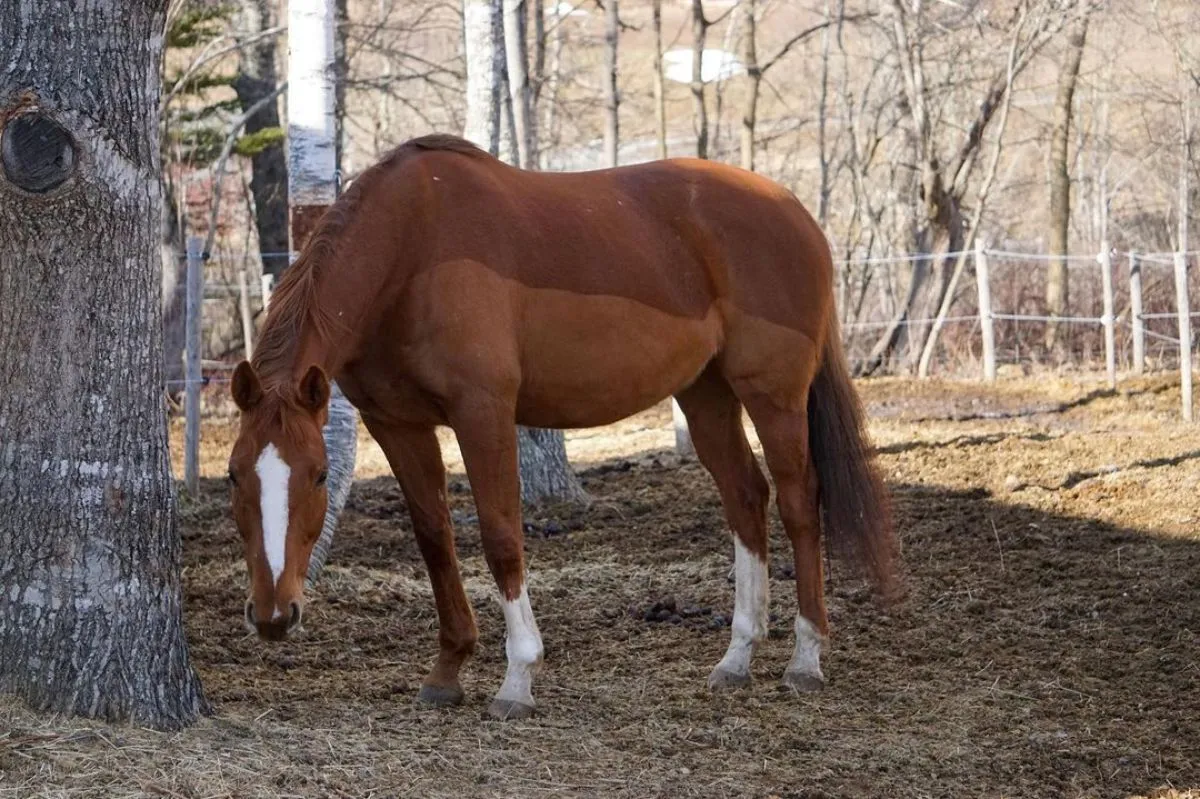 An elegant brown Thoroughbred horse stands near a tree.
The Thoroughbred is a breed epitomizing speed and agility, making it a favorite of Queen Elizabeth II. Her Majesty’s preference for fast horses, particularly those that could outperform others, aligned perfectly with the Thoroughbred’s renowned racing capabilities. Originating in England, this breed has been integral to the Royal Studbook since the rule of James I. Their slender build, long legs, and endurance allow them to cover significant distances quickly, making them ideal for racing and jumping. Thoroughbreds typically stand around 16.2 hands tall and are commonly seen in bay, brown, and black, though various other colors exist. The breed’s elegant stride and athletic prowess have cemented its place as a top choice for equestrian enthusiasts and royalty alike.
2. Clydesdale
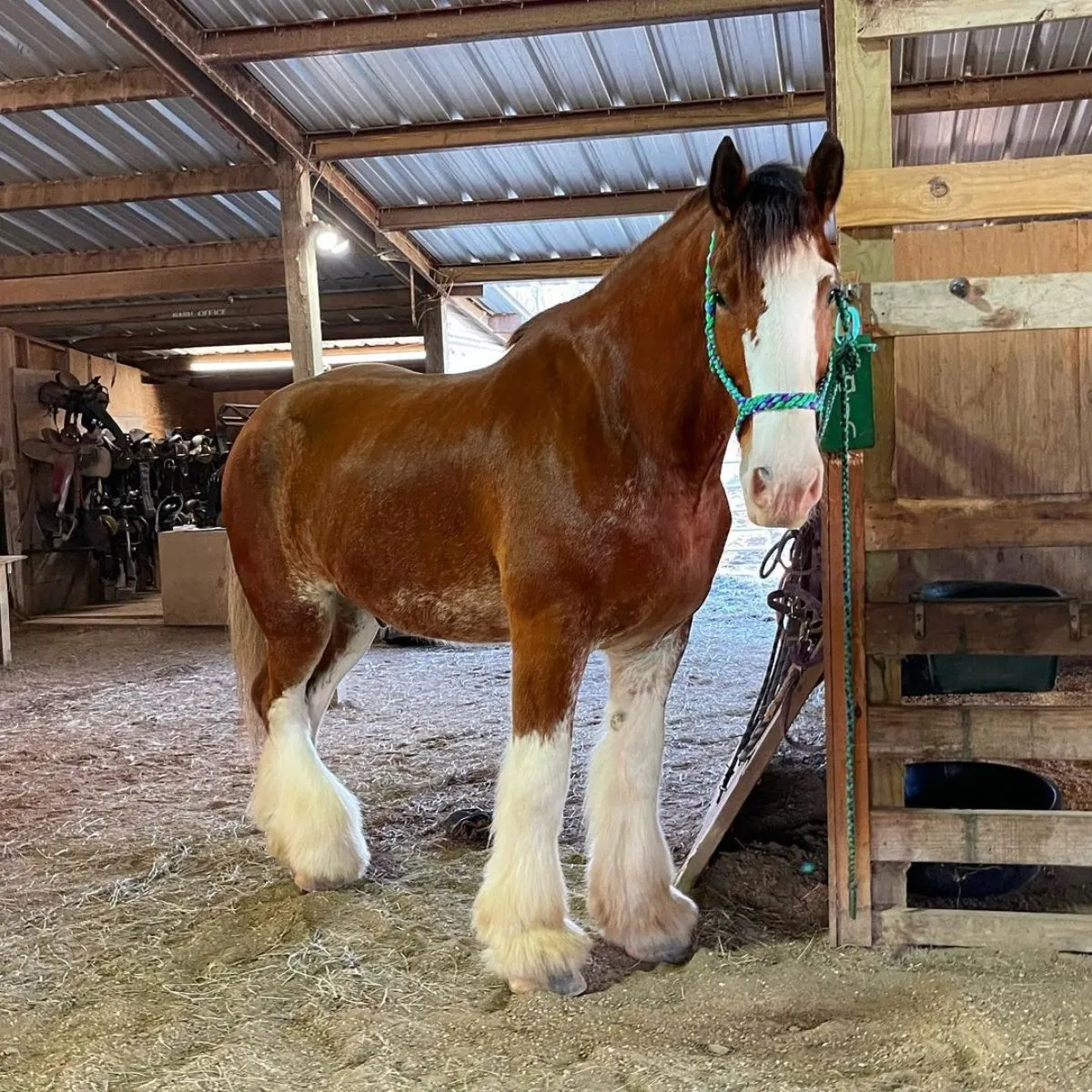 A beautiful huge Clydesdale horse stands in a stable.
Hailing from the Lanarkshire region of Scotland, the Clydesdale was initially developed as a robust workhorse. Through careful breeding, combining imported Flemish stallions with native draft horses, the majestic Clydesdale with its broad hooves and noble appearance was created. While their heavy build suited draft work, their wide hooves were less ideal for the narrow fields of arable land, making them better suited for paved city roads. Clydesdales generally stand around 16.2 hands tall, with some individuals being significantly larger. A notable example is Digger, an orphaned horse who rose from a welfare shelter to become part of the Queen’s Household Cavalry. Digger stood an impressive 19.3 hands tall and was considered for a ceremonial role, though his placid nature was deemed unsuitable for the demands of the event. Despite this, he lived a happy life and was known for charming the Queen.
3. Fell Ponies
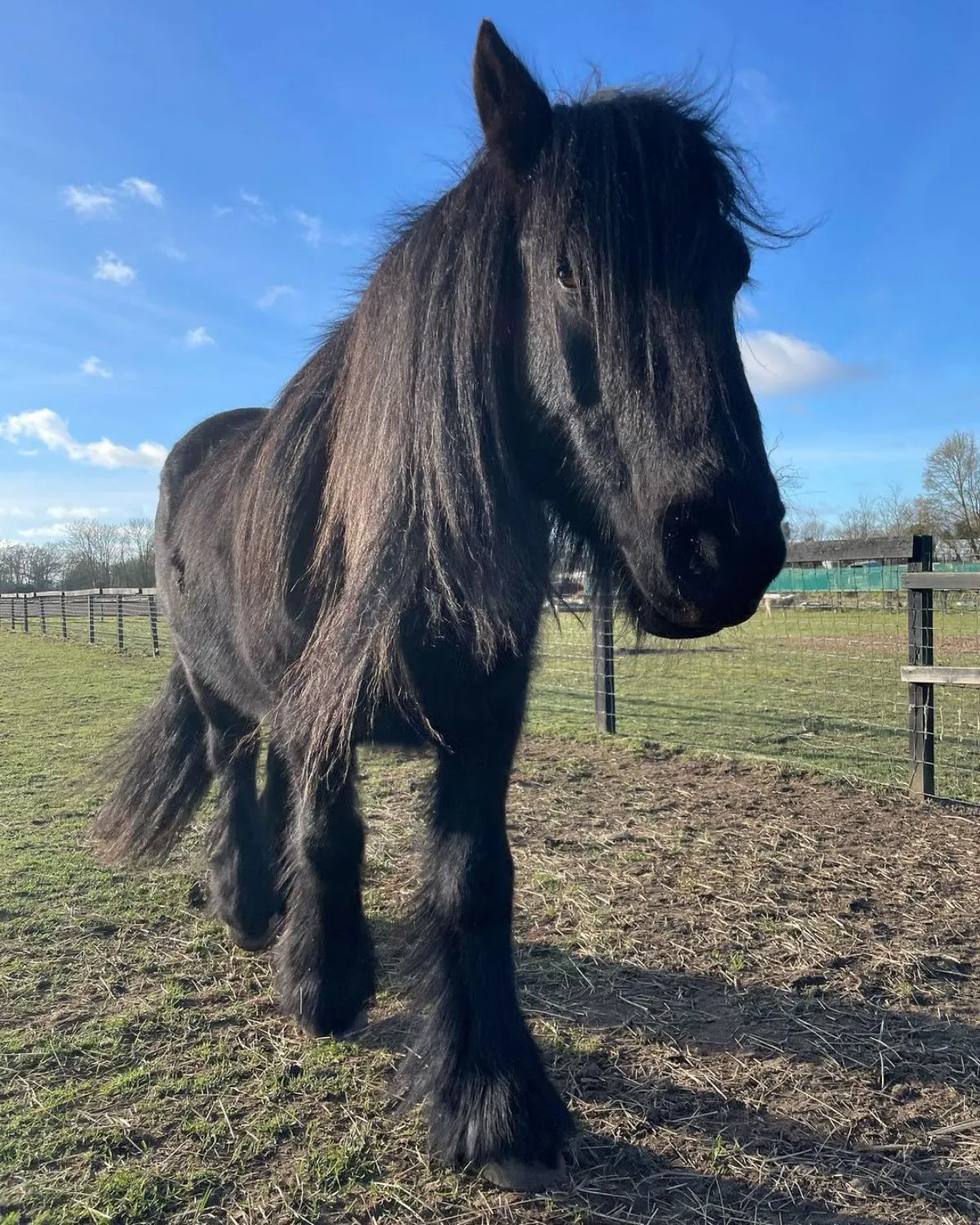 An adorable black Fell Pony walks on a ranch.
Fell Ponies are another cherished royal breed, favored by Queen Elizabeth II for their manageable size, complementing her own stature. Native to Cumbria in England, these hardy ponies, akin to their Dales Pony relatives, are adept at navigating mountainous terrain. While smaller than Dales Ponies, their sturdy build and nimbleness allow them to comfortably carry riders of various sizes. Fell Ponies are typically dark in color, including chestnut, black, bay, and gray. Breeding standards prohibit piebald or skewbald patterns, with only occasional blazes or stars permitted on the forehead. These ponies are known for their jumping abilities and excel in hunting and point-to-point events.
4. Arabian Horse
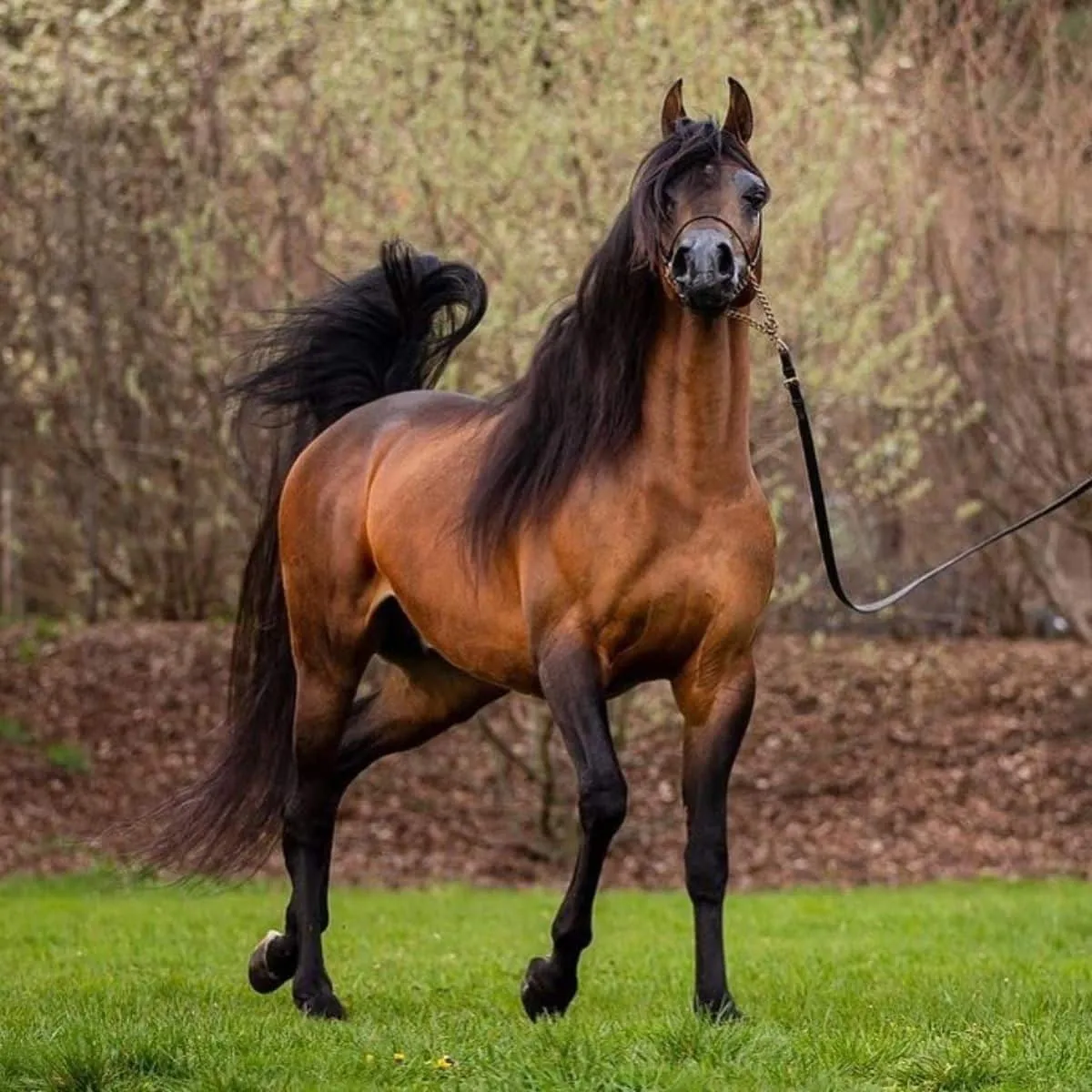 An elegant brown Arabian Horse walks on a green lawn.
The Arabian horse boasts a rich history intertwined with royalty across different cultures. A longstanding friendship between Queen Elizabeth II and Sheikh Mohammed of Dubai was marked by exchanges of these elegant horses. Arabians remain significant in royal life in Dubai, and one was even gifted to the British monarch by the King of Bahrain. Their lineage traces back to ancient Egyptian civilizations, where their speed and endurance made them invaluable for desert travel. Arabians are characterized by their distinctive dished profile, arched neck, and pronounced throatlatch, features that enhance their respiratory efficiency in arid climates. These spirited, loyal, and versatile horses form deep bonds with their owners, demonstrating remarkable dedication.
5. Hackney Horse
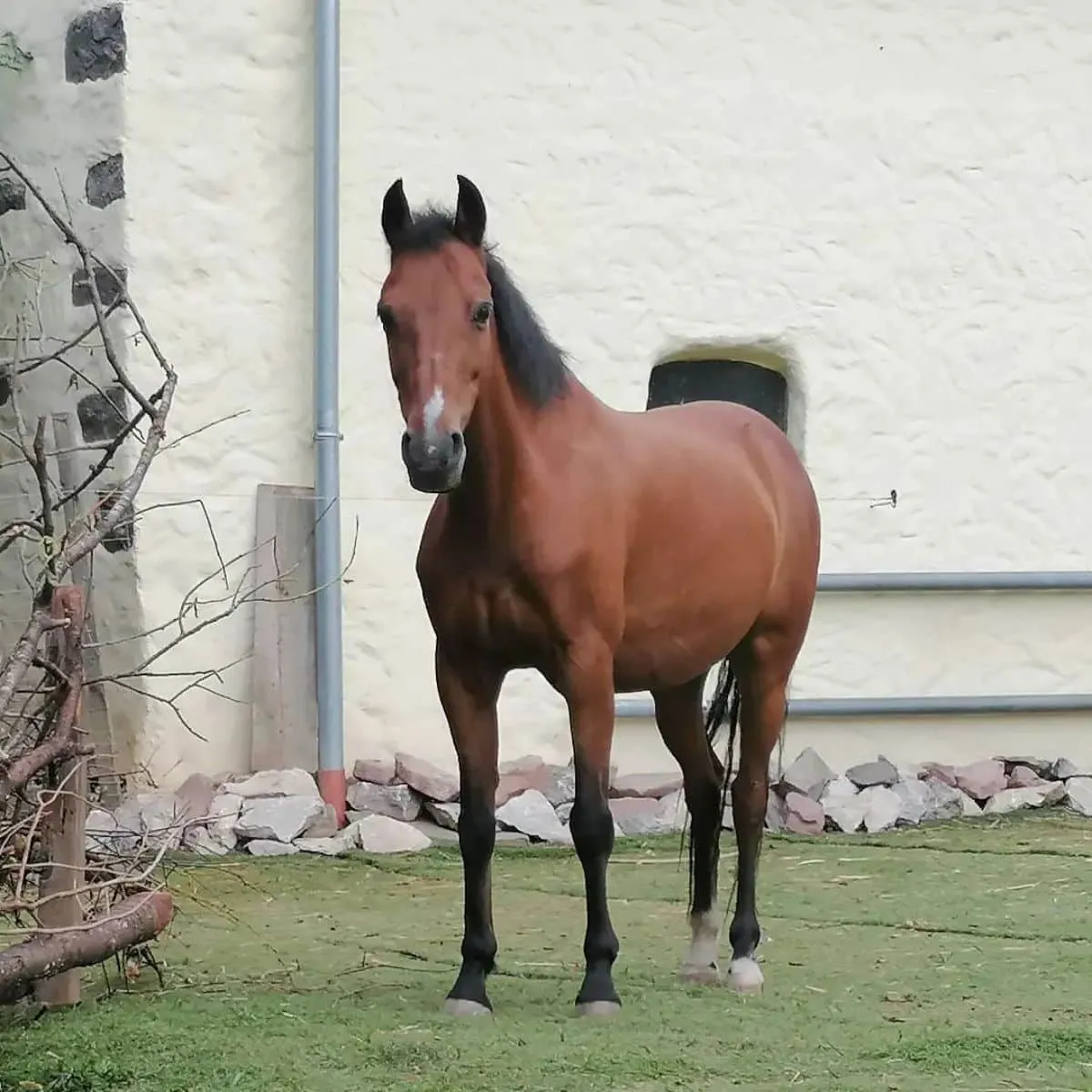 An elegant brown Hackney Horse stands on a green lawn.
The regal appearance of the Hackney Horse makes it a natural fit for royal use, often seen pulling carriages for British royals. Originating in the 1700s, Norfolk farmers sought to improve their carriage horses by crossing them with Thoroughbreds, resulting in the elegant and adaptable Hackney. This breed excels in various disciplines and is classified into four types: Harness pony, Roadster pony, Pleasure pony, and Hackney pony. A hallmark of the Hackney is its distinctive high-kneed trot, characterized by fluid and proud leg movements. This eye-catching gait adds to their overall majestic presence.
6. Cleveland Bay Horse
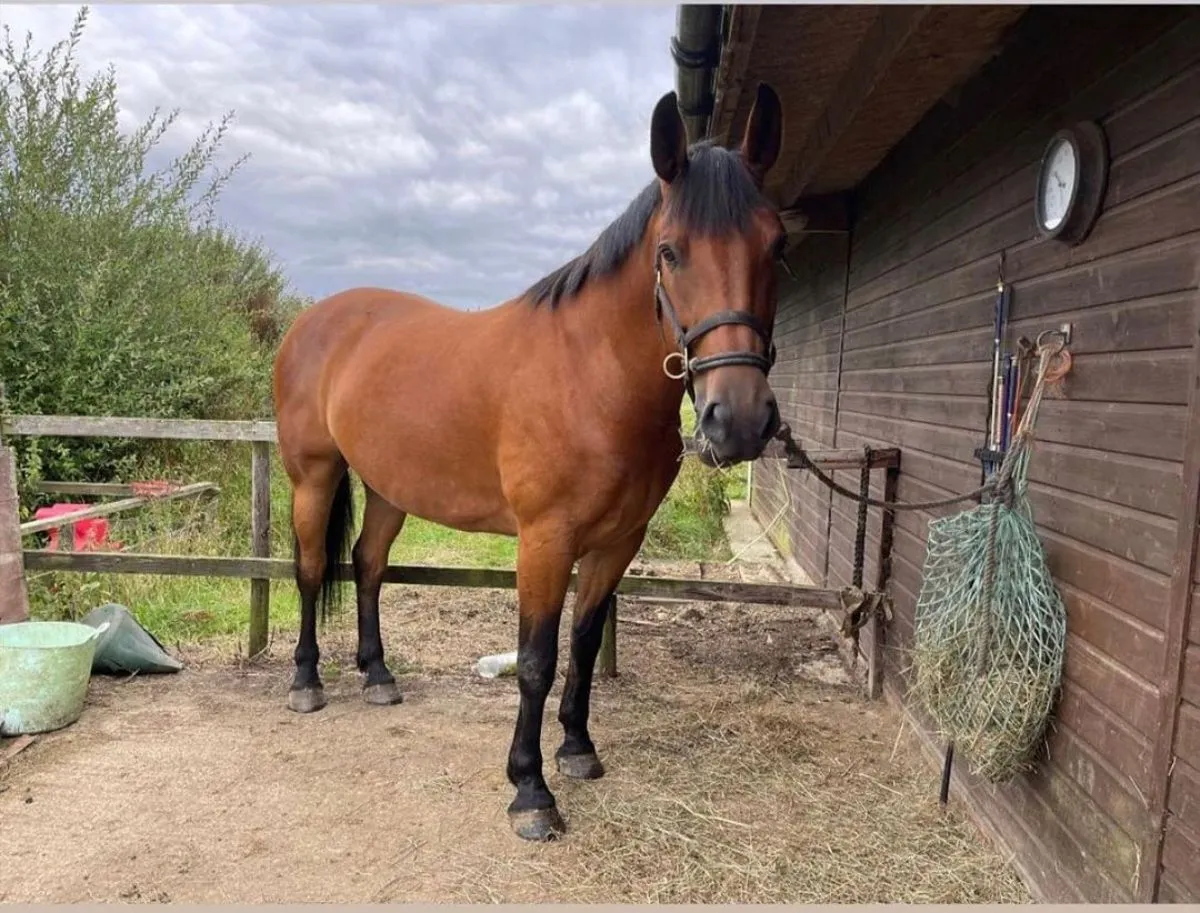 An elegant brown Cleveland Bay Horse stands near a stable.
The Cleveland Bay, another breed with humble beginnings, owes its development partly to the Church of England. Monks in Yorkshire bred these horses for their durability and suitability as pack animals for cross-country transport. Possessing a muscular build with sloping shoulders and croup, and Andalusian ancestry contributing to their elegance and speed, Cleveland Bays are always bay-colored. Their popularity waned in the 1930s due to economic factors, but they have maintained a significant historical role as a preferred royal horse at Buckingham Palace, where they continue to be used for pulling carriages.
7. Andalusian Horse
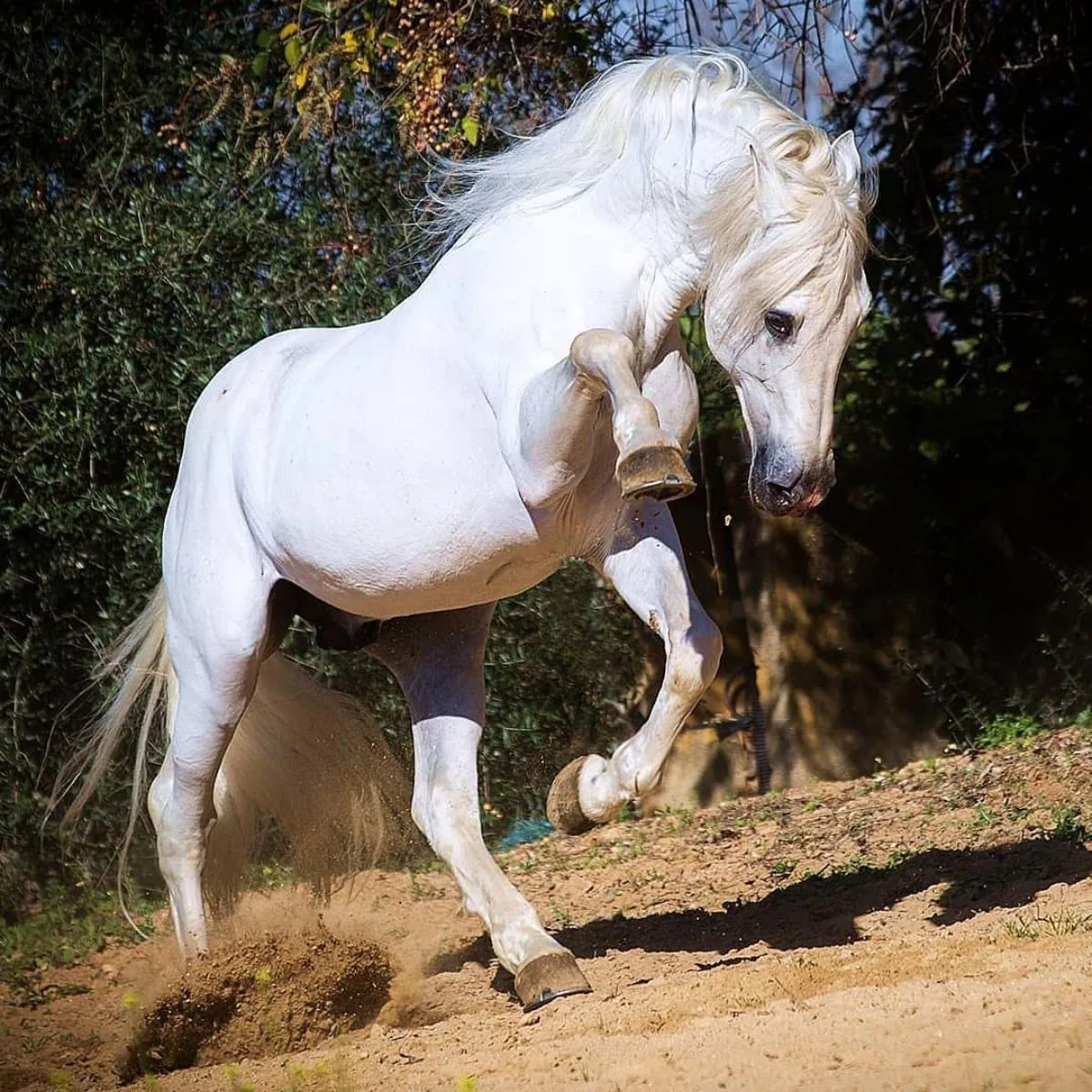 A beautiful white Andalusian Horse jumps on the ground.
Beloved by Spanish royals, the Andalusian horse is celebrated for its beauty and power. Throughout Spanish history, they have served as formidable cavalry mounts and as diplomatic gifts to foster political harmony. Distinct since the 1500s, modern Andalusians closely resemble their ancestors, featuring compact bodies and thick manes and tails. Their combination of intelligence and docility makes them quick learners and highly sought after by riders today.
Wrapping Up
Horses remain an integral part of royal life, embodying grace and intelligence. Certain breeds, due to their inherent elegance and athletic capabilities, are frequently observed at significant royal events. While this list highlights some of the most notable royal horse breeds, the diverse world of horses offers many more breeds appreciated for their skill, temperament, and beauty, accessible to enthusiasts beyond the confines of royalty.
