
Roundworms, scientifically known as gastrointestinal (GI) parasites, are a prevalent concern for dogs of all ages, from playful puppies to seasoned seniors. Even well-cared-for dogs can contract these internal parasites, with roundworms being the most common. While they primarily affect canines, it’s crucial to note that roundworms can also pose a health risk to humans, particularly children. This underscores the importance of consistent, year-round parasite control to safeguard both your dog and your family. [home remedies for ear mites in cats and dogs]
Key Takeaways
- Roundworms are the most common internal parasites affecting dogs, especially puppies, and present a zoonotic risk.
- Infections can be asymptomatic, but potential signs include vomiting, diarrhea, coughing, weight loss, and a pot-bellied appearance.
- Veterinary diagnosis and prescription deworming medication are essential for effective treatment and follow-up.
What Are Roundworms in Dogs?
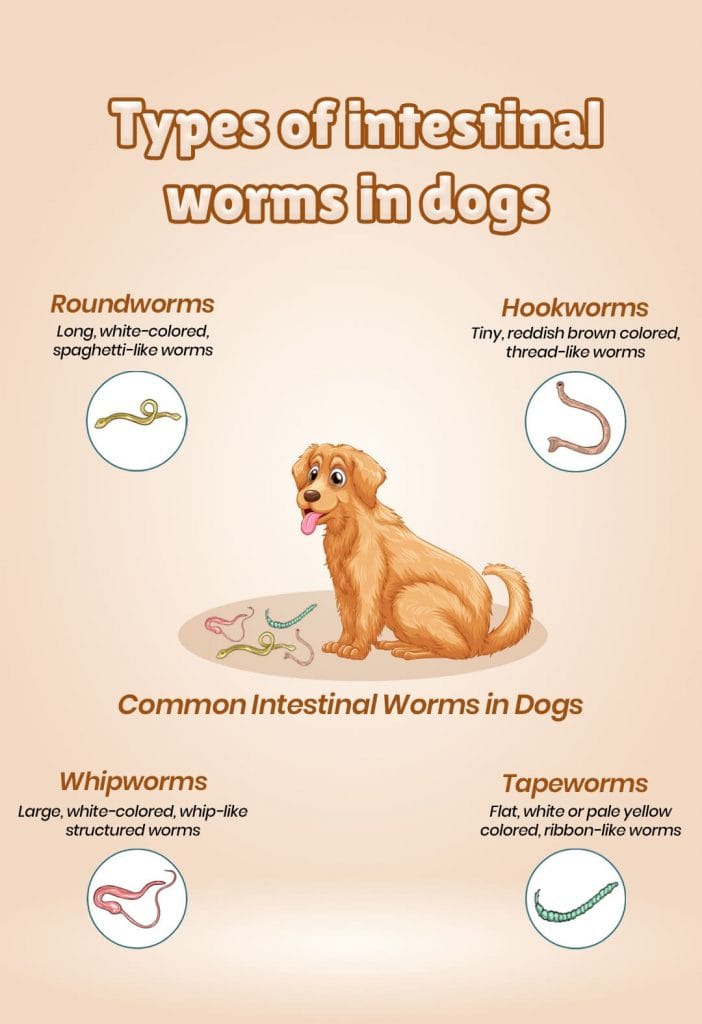
Roundworms reside within a dog’s digestive tract, maturing from eggs to larvae and finally to adult worms. These parasites can cause significant gastrointestinal upset. Larvae may also migrate to the lungs, leading to coughing. Visually, adult roundworms in a dog’s stool or vomit resemble cream-colored spaghetti, typically measuring 3 to 6 inches in length. Prompt veterinary attention is advised if you observe worms in your dog’s feces. Bringing a stool sample or a photo of the worm to your veterinarian will aid in accurate identification and treatment.
Consistent monthly parasite prevention is vital for protecting your dog and family from roundworm infections. While roundworm infections are not usually an immediate medical emergency, a severe infestation can lead to serious illness. If your dog exhibits difficulty breathing, persistent vomiting, or a lack of appetite, seek immediate veterinary care.
Symptoms of Roundworms in Dogs
Many dogs infected with roundworms show no outward signs of illness, yet they can still shed infectious eggs into the environment. Symptoms can range from mild to severe:
- Vomiting: Occasionally, a roundworm may be visible in the vomit.
- Pot-bellied abdomen: A visibly distended or rounded belly.
- Weight loss: Despite adequate food intake, the dog may lose weight.
- Unhealthy appearance: A dull, unkempt coat can indicate a parasitic infection.
In young puppies, heavy infestations can unfortunately be fatal.
Causes of Roundworms in Dogs
The primary route of roundworm infection in puppies is transplacental transmission from the mother before birth. Additionally, puppies can ingest larvae present in their mother’s milk during nursing. Research indicates that nearly all puppies are born with roundworm infections. If you are caring for a pregnant or nursing dog, consult your veterinarian about deworming her to treat existing infections and prevent transmission to her litter.
Roundworm infections occur when dogs ingest worm eggs. This can happen through grooming, where a dog licks contaminated fur after being in an environment harboring eggs (such as dog parks, gardens, or shelters). Ingestion of infected prey or contaminated food sources also poses a risk.
How Veterinarians Diagnose Roundworms in Dogs
Veterinary diagnosis of roundworms typically involves a fecal examination. Your vet can collect a sample during your dog’s examination or you can submit a fresh stool sample from home. A fecal flotation test is commonly used to identify roundworm eggs under a microscope. This test can be performed at your vet’s clinic or sent to a diagnostic laboratory.
Even if you can visually identify worms, a fecal exam is crucial for accurate identification and to detect the presence of other intestinal parasites, as co-infections are common.
Treatment of Roundworms in Dogs
Roundworm infections in dogs are treatable with deworming antiparasitic medications. Treatment usually involves a series of doses administered on a strict schedule over several weeks. Your veterinarian will prescribe an appropriate medication, such as Drontal Plus, Nemex, Panacur, Virbantel, or Safe-Guard.
It is critical to adhere strictly to your veterinarian’s instructions and schedule follow-up appointments. Retesting of your dog’s stool is necessary to confirm the treatment’s efficacy. [natural way to treat worms in dogs]
Recovery and Management of Roundworms in Dogs
With appropriate treatment, dogs experiencing milder roundworm infections can recover within a few weeks. For dogs with more severe symptoms, your veterinarian may recommend additional supportive care, potentially including hospitalization. In cases of intestinal blockage caused by a large worm burden, emergency surgery might be necessary.
Prevention of Roundworms in Dogs
Effective prevention strategies for roundworms in dogs include:
- Routine deworming: Puppies should begin deworming at 2 weeks of age, with subsequent treatments every two weeks until they are placed on a monthly parasite preventive.
- Regular fecal testing: Puppies and newly adopted dogs should be tested four times a year, while adult dogs require testing twice annually.
- Prompt stool removal: Clean up your dog’s feces daily from your yard.
- Environmental hygiene: Protect outdoor areas like sandboxes and playgrounds from fecal contamination.
- Good personal hygiene: Wash your hands thoroughly after handling your dog or their waste, especially before eating.
Discuss year-round parasite preventive options with your veterinarian, such as Credelio Quattro. [flea and worm treatment for dogs monthly]
Roundworms in Dogs FAQs
How long does it take for a dog to get rid of roundworms?
Most dogs clear roundworm infections within a few weeks with consistent, multi-dose deworming treatments administered according to a strict schedule.
Can I touch my dog if he has roundworms?
Yes, you can touch your dog, but it’s essential to practice good hygiene by washing your hands immediately afterward, particularly before meals, to prevent potential transmission.
How contagious is roundworm from dog to human?
Humans can become infected if they accidentally ingest microscopic roundworm eggs. Diligent handwashing after contact with dogs and their environment, along with consistent monthly parasite prevention for your pet, are key preventive measures.
Do I need to clean my house if my dog has roundworms?
Yes, thorough cleaning is recommended to eliminate roundworm eggs:
- Launder all dog bedding and any fabrics your dog sleeps on.
- Bathe your dog regularly to remove any adhered eggs from their coat.
- Vacuum carpets, rugs, and furniture.
- Consider steam cleaning furniture and floors for a deeper clean.
What are the symptoms of a dog having roundworms?
Symptoms can range from none to severe, including vomiting, diarrhea, a distended abdomen, poor body condition, unexplained weight loss, a dull coat, coughing, and respiratory distress.
What kills roundworms in dogs?
Veterinary-prescribed deworming medications, administered on a specific schedule, are used to kill roundworms. A continuous, broad-spectrum monthly parasite preventive is also crucial to prevent reinfection throughout the dog’s life.
References
Ascarid. Companion Animal Parasite Council. Updated February 28, 2025. https://capcvet.org/guidelines/ascarid/
