
Welcome, horse racing enthusiasts! Rival Stars Horse Racing has introduced significant quality-of-life updates to its breeding mechanics, aiming to enhance your breeding success. This guide delves into the intricacies of horse genetics, stats, and bonuses within the game, offering insights to help you breed your next champion.
Understanding Horse Appearance: The Genetics System
A horse’s visual characteristics in Rival Stars Horse Racing are governed by a sophisticated genetics system. This system determines the foal’s base color, dilution, pattern, and markings, drawing from the visible and hidden genes of its parents.
Base Color and Dilution
The base color dictates the primary hue of a horse’s coat, mane, and tail. Foals inherit base colors from either parent’s visible or hidden genes. For instance, breeding two Classic Brown horses might produce a Rich Brown foal if Rich Brown is a hidden gene in one of the parents. The game features various shades of chestnut, bay, brown, white, and two distinct black variants: classic and exotic. The rarest colors, white and black, have a higher probability of appearing when bred together.
Dilution adds variations to these base colors, appearing as single or double dilutions. The available dilutions are None, Cream, Champagne, and Gray. While dilutions are inherited, breeding two horses with the same single dilution can result in a foal with a double dilution, even if neither parent possessed it.
Patterns and Markings
Patterns refer to any visible markings on the horse’s coat, mane, and tail. Early in the game, players can discover patterns such as None, Dapples, Pinto, Spotting, White Face, Roan, and Leopard Complex, with more becoming available as your Prestige increases. Similar to base colors, patterns are inherited according to genetic rules. For example, breeding two Pinto horses won’t automatically yield a Dappled foal unless Dapple is a hidden gene in one of the parents.
Markings, including head and leg markings, are also inherited. A foal will typically receive a marking similar to one of its parents. If parents have different markings, like a star and a stripe, the foal will inherit a variant of either the star or the stripe.
Visible vs. Hidden Genes
Each horse possesses both visible and hidden genes for color, dilution, and pattern. Visible genes directly influence the horse’s appearance. Hidden genes, though not outwardly displayed, can be passed down to a foal and become visible in subsequent generations. If a desired trait isn’t apparent on a newborn foal, checking its hidden genes is crucial, as they are equally likely to be passed on as visible genes. It’s important to note that double dilutions cannot be hidden genes.
Deconstructing Horse Stats
A horse’s performance is defined by five key stats: Speed, Sprint Energy, Acceleration, Agility, and Jump. Story Races primarily rely on Speed, Sprint Energy, and Acceleration, while Cross Country races emphasize Speed, Agility, and Jump.
Base Stats and Their Influence
Stats are ranked from A+ (Excellent) to D (Ordinary). These are the horse’s Base Stats, which remain constant throughout their life. Higher Base Stats contribute to a more powerful trained horse. A newborn foal’s Base Stats are typically the average of its parents’ respective Base Stats. For instance, a mare with A+ Speed and a stud with B Speed are likely to produce a foal with A Speed.
Grade and Its Significance
There are 10 Grades in Rival Stars Horse Racing. As players gain renown, they can acquire and breed higher-Grade horses for more prestigious competitions. A horse’s Grade dictates its maximum training level, the number of Diet Plans it can utilize, and the Live Races it can enter. Access to higher Grades is unlocked by increasing Prestige and upgrading Foaling Stalls.
A foal’s Grade is determined by its parents, usually matching or being one grade higher than the lowest-grade parent. A significant grade difference between parents, combined with high-level foaling stalls, increases the likelihood of the foal being born at a higher Grade. The breeding screen displays the percentage chances for each Grade. Foals born at higher Grades generally possess higher Base Stats and can be trained to greater maximums. However, to achieve the best stat quality and resulting Base Stats, it’s advisable to breed for a foal born at the same Grade as its lowest-grade parent, potentially using the “Modify Outcome” feature.
Horse Breeds and Their Bonuses
Every horse in Rival Stars Horse Racing belongs to a specific breed, adding diversity to your stable. Beyond their unique appearance, different breeds offer distinct stat bonuses, categorized as primary and secondary. For example, Thoroughbreds, ideal for track racing, receive a primary bonus to Acceleration and a secondary bonus to Sprint Energy. Selle Français horses gain a primary bonus to Jump and a secondary bonus to Acceleration. When breeding a Thoroughbred and a Selle Français, there’s a 50% chance the foal will inherit either breed. Choosing breeds that align with your playstyle and preferred game modes is crucial for maximizing your horse’s potential.
Understanding Horse Preferences
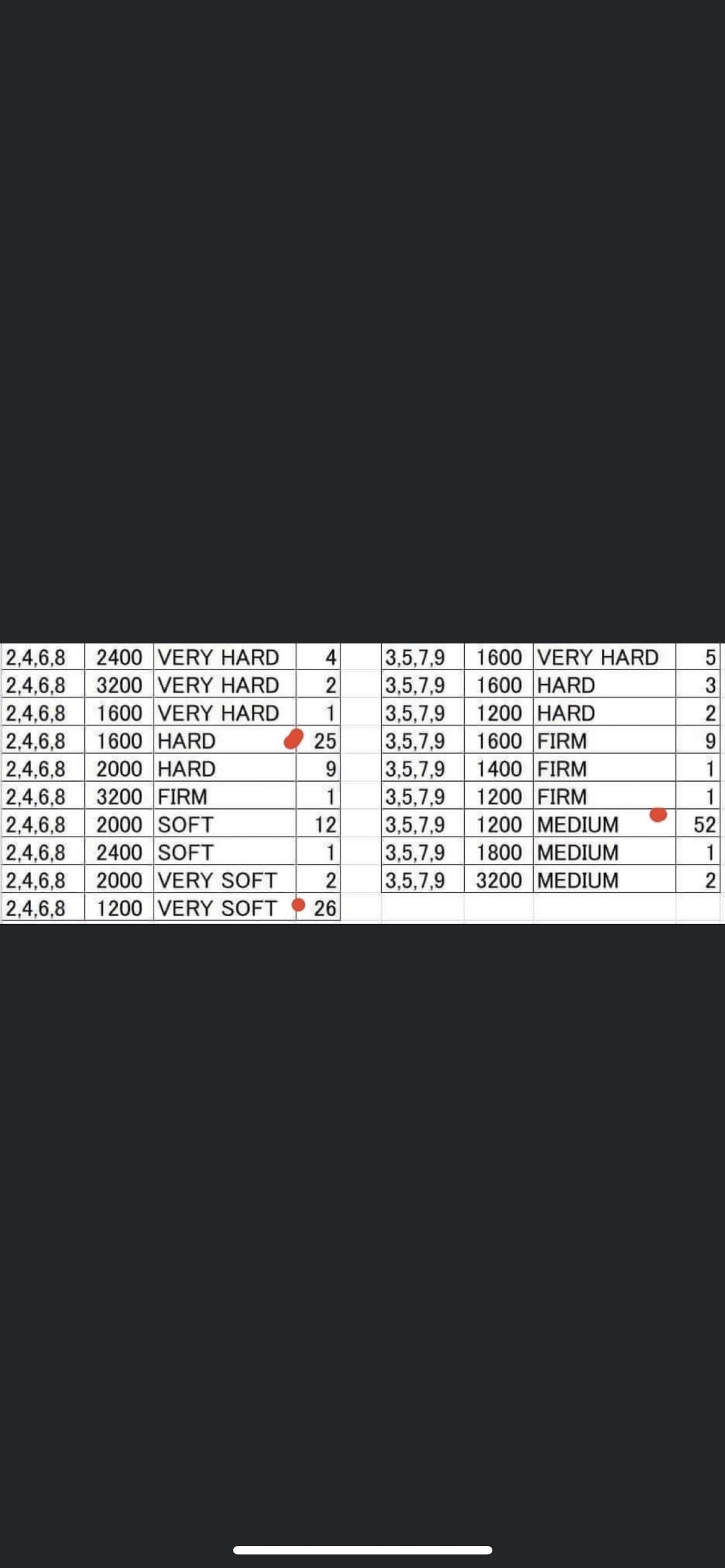
Horses have preferences in three categories: Position (front, middle, or back), Distance (800m to 3200m), and Track Surface (ranging from very soft to very hard). A foal’s preferences are likely to resemble those of its parents, with an even higher probability of inheriting a shared preference. While less common, a foal may develop preferences not held by either parent. Horses performing better on courses matching their preferences means that a diverse stable, with various preferences, ensures readiness for all in-game events. TJ can help identify the best-suited horse for any given track.
Foal Care and Bonuses
Newborn foals can be sold in a yearling sale before they mature. However, once you commit to raising a foal, it cannot be sold again until fully grown. During the gestation period, the mother horse remains in the Foaling Stall and cannot compete, a factor to consider when breeding your top horses.
From Prestige 6 onwards, after a foal is born, you have the option to engage in Foal Care. Regular care and feeding can help develop bonus stats. You can hire a Caretaker, with each having a skill level that guarantees a certain amount of bonus stats. If your foal doesn’t require extra attention or if a Caretaker is hired, you can opt to “skip to mare/stud” to instantly make the foal race-ready. These bonus stats are randomly distributed among the horse’s stats, are not inheritable by future offspring, but provide a competitive edge.
The Rival Stars Horse Racing design team will continue to update the community on new features. Thank you for playing, and we hope this guide proves valuable!
