
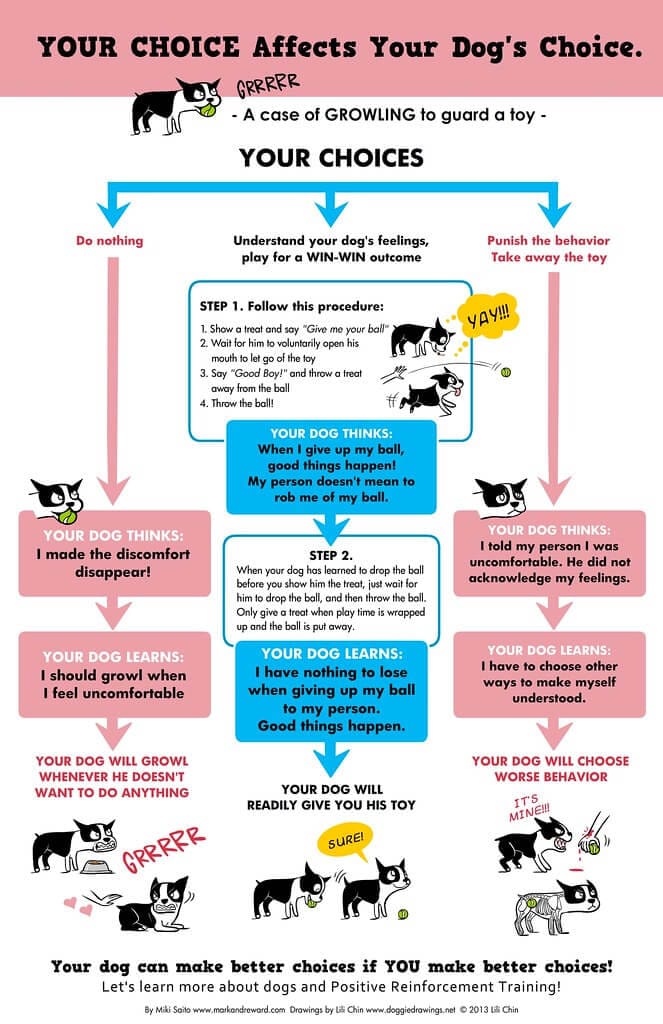
Resource guarding in dogs is a behavior where a dog becomes possessive and defensive over items they perceive as valuable, such as food, toys, or even their favorite resting spot. This can manifest as growling, snapping, or even biting when a person or another animal approaches their cherished possession. Understanding the root causes and implementing effective training strategies are crucial for managing and overcoming this natural, yet challenging, canine behavior.
Understanding Why Dogs Resource Guard
Resource guarding is an instinctual behavior that stems from a dog’s evolutionary need to protect their resources, especially in environments where scarcity might have been a factor. It’s not necessarily a sign of aggression or a reflection of poor training, but rather a communication of insecurity or a perceived threat.
The Instinctual Roots of Guarding
In the wild, or even in historical pack settings, dogs had to compete for resources like food, mates, and territory. Those who were more effective at defending their resources were more likely to survive and reproduce. This instinct is still present in our domestic dogs, though the context has changed significantly. What might have been essential for survival in the past can now appear as possessiveness over a chew toy or a sunny spot on the rug.
Identifying Triggers and Warning Signs
Recognizing the early signs of resource guarding is key to intervening before the behavior escalates. These signs can include:
- Stiffening: The dog’s body becomes rigid when someone approaches their resource.
- Hard stare: Direct, intense eye contact with the approaching person or animal.
- Lip licking: Inappropriate licking of the lips when no food is present.
- Yawning: Sometimes a sign of stress or unease.
- Low growl: A clear warning that the dog is uncomfortable.
- Snapping: A quick, open-mouthed bite that doesn’t make contact.
- Lunging or biting: The most severe forms of guarding.
Common triggers include approaching the dog while they are eating, taking away a toy, or even looking at them when they have a high-value item. Understanding your dog’s individual triggers is paramount to developing a targeted training plan.
Positive Training Methods for Resource Guarding
The most effective approach to address resource guarding is through positive reinforcement and desensitization techniques. The goal is to change the dog’s perception of you approaching their resources from a threat to a positive experience.
Desensitization and Counter-Conditioning
This is the cornerstone of resource guarding training. It involves gradually exposing your dog to the trigger (your approach) while pairing it with something highly positive, like a delicious treat.
- Start at a Distance: Begin by simply walking past your dog when they have a low-value item (like a regular kibble piece). Toss a high-value treat (like a piece of chicken or cheese) to the other side of them. The idea is that your approach predicts good things.
- Gradually Decrease Distance: Over many sessions, slowly decrease the distance at which you can walk by without eliciting a guarding response. Always toss the treat away from the dog’s current resource.
- Practice “Trade Up”: Once your dog is comfortable with you being near, you can start practicing controlled “trades.” Hold a high-value treat and offer it to your dog. When they drop or move away from their item to take the treat, praise them. As soon as they take the treat, you can pick up the item they left behind. This teaches them that giving up an item leads to a better reward. For more in-depth guidance on teaching your dog to willingly give up items, exploring resources on dog obedience training fredericksburg va can provide valuable insights into building a strong foundation of trust and cooperation.
Teaching a Reliable “Leave It” Command
A solid “leave it” command is invaluable for preventing resource guarding incidents. It teaches your dog to disengage from an item when asked.
- Start Simple: Place a low-value treat on the floor and cover it with your hand. Let your dog sniff or paw at your hand. The moment they back off, say “Yes!” and give them a different, higher-value treat from your other hand.
- Progress: Once they understand, progress to placing the treat on the floor and saying “Leave it.” If they don’t immediately look away, cover it with your hand again. Reward them for disengaging.
- Increase Difficulty: Gradually increase the difficulty by using higher-value treats, placing them further away, or even dropping them on cue.
“It’s Your Choice” Game
This game helps dogs understand that they have control and that complying with a request can lead to better outcomes.
- Hold a toy or treat your dog is interested in.
- When your dog looks at you, say “Yes!” or “Choice!” and give them a treat.
- Repeat this several times. Then, offer them the toy or treat they were initially interested in.
- The goal is for your dog to learn that looking at you and disengaging from their desired item results in a reward, and they will eventually get to have the item anyway. This approach fosters a sense of partnership rather than confrontation.
When to Seek Professional Help
While many cases of resource guarding can be managed with consistent positive training, some situations require professional intervention.
Recognizing When You Need a Trainer
If your dog’s guarding behavior is severe, involves frequent biting, or if you feel unsafe practicing these techniques, it’s time to consult a professional. A certified professional dog trainer or a veterinary behaviorist can assess the situation, identify underlying causes, and develop a tailored behavior modification plan. They can also guide you through the process, ensuring both your safety and your dog’s well-being. If you’re struggling with specific behavioral issues, finding expert assistance from resources like in home dog training minneapolis can provide personalized support.
The Role of Veterinary Behaviorists
For deeply ingrained or complex cases, a veterinary behaviorist is the most qualified professional. They can diagnose underlying medical conditions that might contribute to the behavior and prescribe medication if necessary, alongside a comprehensive behavior modification program.
Preventing Resource Guarding in Puppies
It’s easier to prevent resource guarding from developing than to correct it once it’s established. Implementing prevention strategies from a young age is highly recommended.
Early Socialization and Handling
Expose your puppy to various people, environments, and other well-behaved dogs. Gently handle your puppy all over, including their paws, ears, and mouth, while pairing these handling sessions with positive reinforcement. This helps them become comfortable with touch and less likely to feel threatened when you need to handle them or their belongings.
Gradual Introduction to Resource Management
Start practicing “trade ups” with your puppy from day one. When they have a toy, offer them a tastier treat and praise them as they drop the toy to take the treat. This creates a positive association with you interacting with their possessions. Teaching a puppy how to handle specific behaviors, like dog biting training puppy, is also a critical part of preventing future guarding issues.
Living with a Dog Who Guards Resources
Managing resource guarding is an ongoing process that requires patience, consistency, and a deep understanding of your dog’s behavior.
Environmental Management
Preventing the behavior from occurring is as important as training. This means:
- Feeding Separately: If multiple dogs guard food, feed them in separate rooms or crates.
- High-Value Toy Management: Keep particularly “coveted” toys put away when not supervised. Only bring them out during controlled training sessions or when you can actively supervise.
- Avoid Vacuuming Around a Guarding Dog: If your dog guards a specific spot, try to avoid approaching or disturbing them in that area, especially during mealtimes or when they have prized possessions.
Consistency is Key
All members of the household must be on the same page regarding training and management strategies. Inconsistent application of rules can confuse your dog and hinder progress. Ensure everyone understands the triggers, warning signs, and the correct way to respond. This collective effort is crucial, much like maintaining consistency in other training endeavors such as teaching your dog to fetch, as seen in guides on how to train dog to bring ball back.
Building Trust and a Strong Bond
Ultimately, resource guarding training is about building trust. When your dog trusts that you will not take their prized possessions away unfairly, and that your presence predicts good things, the guarding behavior will diminish. Focus on positive interactions, play, and reward-based training to strengthen your bond. Remember that professional guidance, sometimes even involving aspects like ensuring you have adequate dog trainer liability insurance, underscores the commitment to responsible dog ownership and training.
Resource guarding is a complex issue, but with the right approach, patience, and consistency, you can help your dog feel more secure and live harmoniously.
