
Welcoming a new dog into a household with existing pets, like cats, requires careful management and understanding of their behaviors. This is especially true when the dog exhibits resource guarding, a behavior that can escalate into serious conflicts if left unaddressed. This article delves into the specifics of resource guarding in dogs, particularly when directed towards cats, using the case of Gus, a two-year-old Akbash/Great Pyrenees mix, as an example. Understanding the root causes and implementing effective strategies can help create a harmonious living environment for all members of your furry family.
Resource guarding in dogs is a complex behavior stemming from a dog’s instinct to protect what they perceive as valuable, such as food, toys, or even their human’s attention. This behavior can be triggered by various factors, including a perceived threat from other animals or even subtle changes in routine. Recognizing the early signs of resource guarding is crucial to prevent it from escalating into aggression.
Identifying Dog Resource Guarding Behaviors
Dogs often guard their resources to protect what they value, such as food and toys, especially when they perceive threats like other animals or cats. This behavior can arise from several factors. First, it’s a natural instinct; dogs are wired to safeguard essential resources for survival. Fear or anxiety can also lead to guarding when a dog feels threatened. Additionally, dogs that lack confidence may guard their possessions more aggressively. Changes in their routine can exacerbate this behavior.
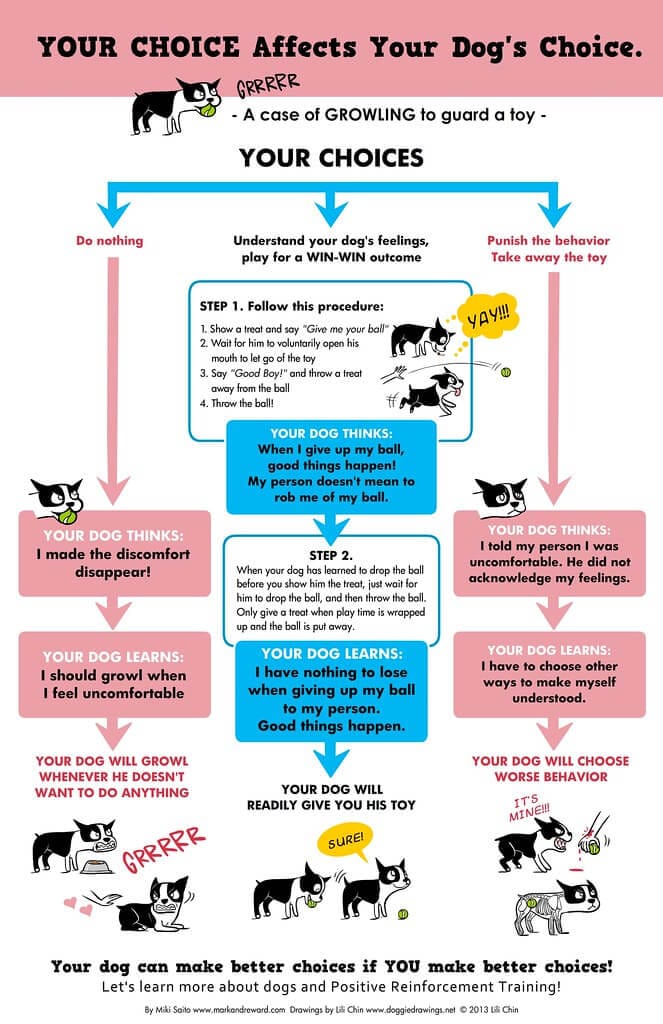
Some dogs may guard to establish dominance over others. Past experiences, such as punishment for guarding or having their resources taken away, can reinforce this behavior as well. Resource guarding can manifest clearly, through growling or biting, or subtly, through tense muscles, staring, or fast eating. To help manage resource guarding, consider strategies like purposeful petting, rewarding positive behavior, increasing exercise, and enforcing consistent rules.
In Gus’s case, the initial presentation of resource guarding towards cats involved an incident where he went after a family cat after food was dropped. Fortunately, the cat was unharmed, but this incident prompted the guardians to seek professional help. Gus displayed a lack of respect for personal space and boundaries, showing excessive curiosity about the trainer’s bag and nudging his guardian for attention. The absence of clear rules and structure in the household contributed to Gus’s perception of higher social status.
Underlying Causes of Resource Guarding in Dogs
While resource guarding is a natural instinct, several factors can contribute to its development and intensity. In Gus’s situation, the trainer hypothesized that the issue might be more nuanced than traditional food guarding behavior. A key observation was Gus’s reaction when the cats were on the table during meal times. As an Akbash dog, bred for herding, Gus might have perceived it as his role to manage the situation, especially when the humans were not actively addressing the cats’ presence.
The lack of consistent rules and structure in the home environment played a significant role. When dogs are not given clear boundaries, they may attempt to create their own order, leading to behaviors like resource guarding. Furthermore, the cats’ behavior of jumping on the table during meals, which is generally not considered appropriate, added another layer to the dynamic. This situation created a perceived need for Gus to intervene, as the humans were not handling the “problem” themselves.
Strategies to Help a Dog Stop Resource Guarding
Addressing resource guarding requires a multi-faceted approach focused on establishing clear leadership, positive reinforcement, and environmental management. For Gus, the suggested strategies included:
Establishing Rules and Structure: Consistently enforcing rules helps a dog understand their place in the pack and look to their human leaders for guidance. This includes establishing a clear hierarchy, where the dog understands that humans are in charge.
Rewarding Desired Behaviors: Positive reinforcement is key. Petting and rewarding Gus for calm behavior and for listening to commands will teach him that compliance and good actions are beneficial. This approach, often referred to as “celebrating Gus’s desired behaviors,” builds engagement and motivates the dog to repeat positive actions.
Increasing Exercise: Adequate physical and mental stimulation can significantly improve a dog’s overall well-being and reduce nuisance behaviors. Ensuring Gus receives sufficient exercise can help him feel more settled and less prone to anxiety-driven guarding.
Environmental Management: Preventing the trigger situations is crucial in the initial stages of training. In Gus’s case, this meant preventing the cats from accessing the dining area during meal times. This simple measure removes the opportunity for the guarding behavior to manifest.
Desensitization and Counter-Conditioning: Gradually exposing Gus to the presence of cats in controlled environments, while rewarding him for remaining calm, can help desensitize him to their presence. This process needs to be slow, gradual, and consistently practiced until Gus associates the cats’ presence with positive outcomes rather than a threat.
Purposeful Petting: Instead of petting Gus every time he seeks attention, guardians can implement “passive training” by petting him with a purpose, such as rewarding a calm moment or a desired behavior. This reinforces that attention from humans is earned, not demanded.
The trainer also emphasized the importance of the humans taking the lead in managing the situation. By preventing the cats from being on the table during meals, the guardians actively demonstrate their ability to control the environment, thereby reinforcing their leadership role in Gus’s eyes.
For guardians struggling with similar issues, seeking professional guidance is highly recommended. A qualified dog trainer or behaviorist can assess the specific situation, identify the root causes of the guarding behavior, and develop a tailored training plan. Booking a session with a professional can provide the necessary tools and support to help a dog stop resource guarding and foster a peaceful coexistence between pets.
Related Resources
For further insights into managing challenging dog behaviors and strengthening the bond with your pet, consider exploring these resources:
- Cats Biting Each Other
- My Cats Are Suddenly Fighting
- My Cat Is Aggressive With Me
- Cat Actions
- Neutered Male Cat Aggression
By understanding the nuances of resource guarding and implementing consistent, positive training methods, you can help your dog overcome this behavior and create a harmonious multi-pet household.
