
Renal dysplasia is a serious congenital kidney disorder that impacts dogs, typically manifesting in puppies or young adult canines. This condition arises from improper kidney development in utero, resulting in abnormal or immature tissue that impairs kidney function. Given the kidneys’ vital role in waste filtration and fluid balance, renal dysplasia can precipitate significant health complications as a dog matures.
While the precise etiology of renal dysplasia remains elusive in many cases, genetics frequently plays a contributing role, predisposing certain breeds to a higher risk. Responsible breeders can mitigate the incidence of this disorder by implementing screening protocols and refraining from breeding affected dogs. This proactive approach is crucial in reducing the hereditary transmission of renal dysplasia.
Clinical Signs of Renal Dysplasia
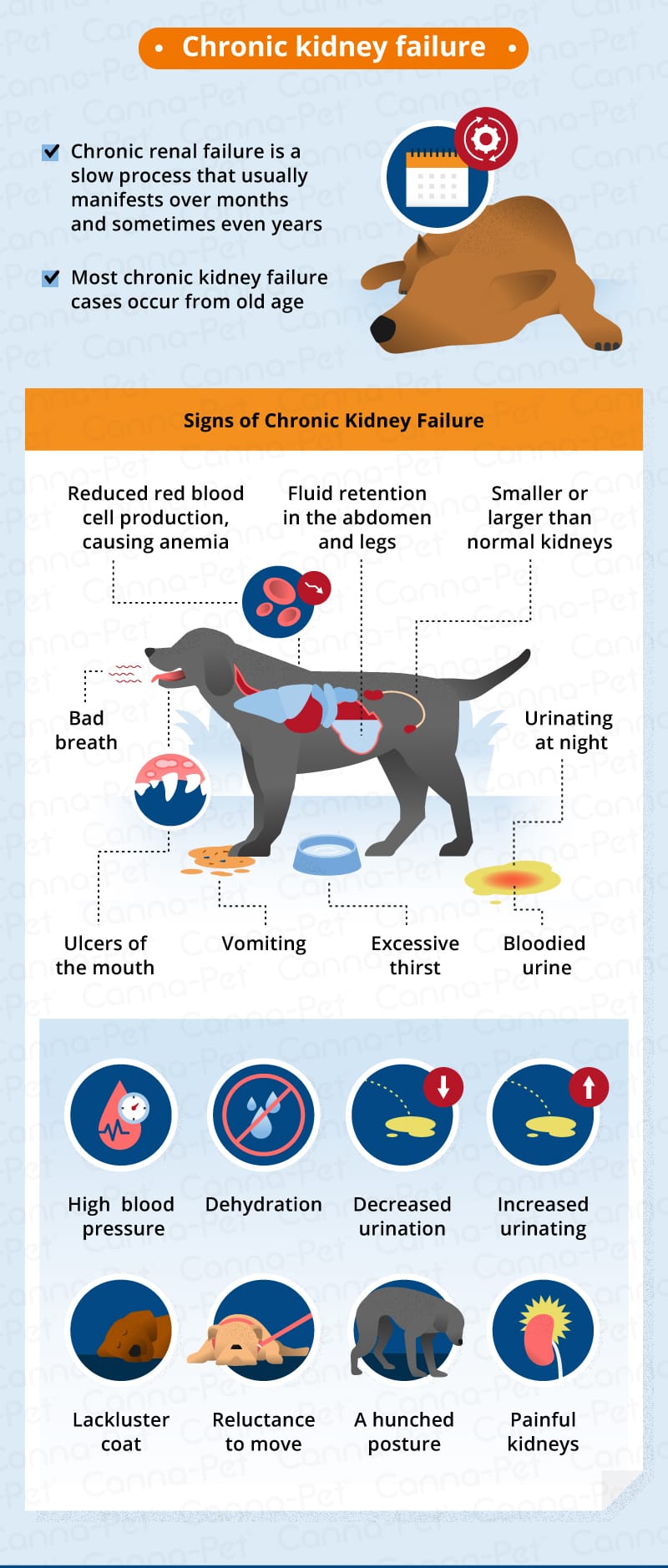
Because renal dysplasia is a condition present from birth, many dogs do not exhibit outward signs of illness in their early stages. Over time, subtle indicators such as increased thirst and more frequent urination may emerge. As the condition progresses, more pronounced symptoms can appear, including a diminished appetite, unexplained weight loss, lethargy, or episodes of vomiting. It is important to note that these symptoms can sometimes be delayed, with significant signs only becoming apparent when the disease has advanced considerably. The severity of renal dysplasia varies greatly; some dogs may live for years with only mild manifestations, while others may experience the onset of kidney failure at a much earlier age. Regrettably, there is no known cure for renal dysplasia. However, early detection and consistent supportive care can significantly enhance a dog’s quality of life and longevity.
Diagnosis of Renal Dysplasia
Diagnosing renal dysplasia can present a considerable challenge. Initial suspicion often arises during routine laboratory screenings, frequently conducted prior to spaying or neutering procedures, which reveal elevated kidney values, particularly in creatinine or SDMA levels. Persistently high kidney values are considered abnormal, especially in young dogs. Another common diagnostic clue is excessive thirst and urination, which can also complicate house-training efforts.
An abdominal ultrasound is frequently recommended to obtain a more direct view of the kidneys. However, the findings from ultrasounds can be variable. In some instances, the kidneys may appear misshapen, irregular, or smaller than normal, or display degenerative changes inconsistent with a young dog’s physiology. Conversely, the kidneys might appear normal on ultrasound, as the underlying abnormalities affecting kidney function may be microscopic. A definitive diagnosis of renal dysplasia ideally requires a kidney biopsy, though this procedure is rarely performed. In most clinical scenarios, a presumptive diagnosis is established after other potential causes for elevated kidney values have been systematically ruled out.
Treatment of Renal Dysplasia
Renal dysplasia is an irreversible condition, and affected dogs typically experience a progressive decline in kidney function. The rate at which this deterioration occurs is highly individual and cannot be accurately predicted.
The cornerstone of treatment for renal dysplasia typically involves a specialized prescription diet. These therapeutic diets are formulated to reduce the metabolic workload on the kidneys by being low in sodium and phosphorus, and often enriched with potassium and omega-3 fatty acids. Additional complications associated with renal dysplasia, such as hypertension (high blood pressure) or proteinuria (elevated protein levels in the urine), may necessitate further specific treatments. Dogs with more severe forms of the condition may struggle to consume adequate fluids, requiring supplementary fluid therapy, often administered subcutaneously. The overarching goal of management is to effectively control symptoms and provide optimal support to the dog’s remaining kidney function for the longest possible duration, thereby maximizing their comfort and well-being.
Internal Links
When dealing with canine health, understanding potential diseases & disorders is paramount for responsible pet ownership. Conditions like hereditary disease in dogs can impact a dog’s quality of life significantly. It is crucial for owners to be aware of inherited diseases in dogs and their potential implications. Recognizing common disorders in dogs allows for earlier intervention and better management strategies. Furthermore, specific issues such as diseases of the eye in dogs require specialized veterinary attention.
