
Introduction
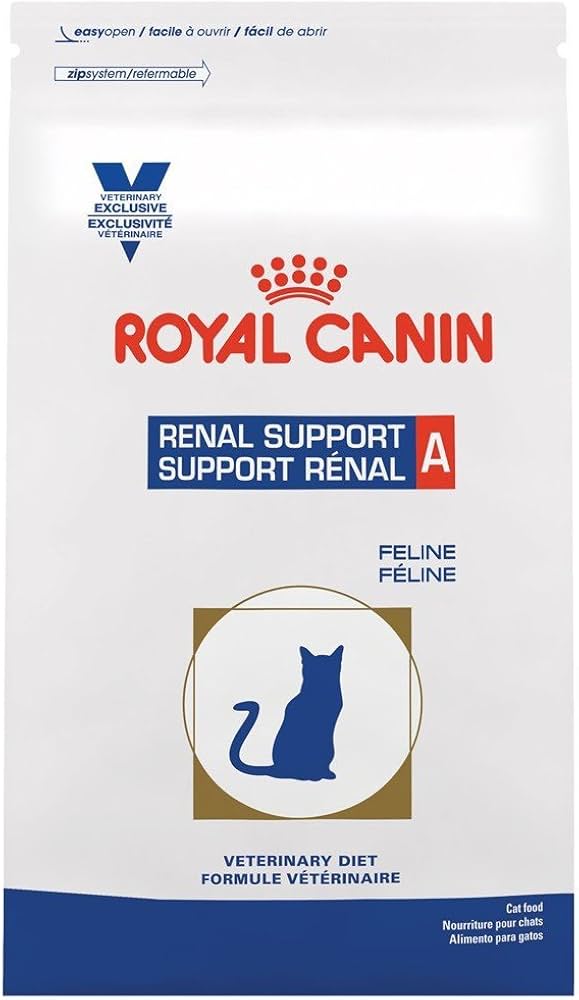
If your veterinarian has recommended the Royal Canin Renal Support Starter Kit for your feline companion, it signifies a proactive approach to managing their kidney health. This specialized veterinary-exclusive diet is not just food; it’s a carefully crafted nutritional solution designed to support adult cats facing kidney challenges. The starter kit offers a variety of highly digestible dry and wet food options, allowing for a customized approach to feeding that aims to re-stimulate your cat’s appetite and encourage them to eat.
Understanding the Benefits of Royal Canin Renal Support
The primary goal of this starter kit is to provide crucial support for kidney health in adult cats. It achieves this through several key benefits:
- Supports Kidney Health: This variety pack is specifically formulated with ingredients aimed at supporting the vital functions of the kidneys.
- Appetite Stimulation: Recognizing that cats with kidney issues often experience a decreased appetite, the starter kit includes a blend of wet and dry foods. This variety is designed to be highly palatable, helping to stimulate your cat’s interest in food and ensure they consume adequate nutrition.
- Energy-Dense Formula: The diets are energy-dense, meaning they provide a high level of calories in smaller portion sizes. This is particularly beneficial for cats with reduced appetites, as it ensures they receive necessary energy without needing to eat large quantities.
- Promotes Kidney Function: The formula is enhanced with a precise antioxidant complex and fatty acids derived from fish oil. Additionally, it features controlled levels of phosphorus and targeted protein to further support and promote optimal kidney function.
- Mix and Match Convenience: The starter kit allows owners to mix and match different wet and dry food varieties within the Renal Support line. This flexibility is key to discovering a combination that your cat not only tolerates but genuinely enjoys, making the feeding process less stressful for both pet and owner.
How Royal Canin Renal Support Works
The nutritional science behind the Royal Canin Veterinary Diet Feline Renal Support is focused on addressing the specific needs of cats with compromised kidney function. Cats experiencing kidney challenges often suffer from a diminished appetite, which can lead to weight loss and further health complications. The energy-dense nature of these diets ensures that even small meal volumes deliver essential calories and nutrients.
The inclusion of a carefully balanced antioxidant complex plays a role in combating oxidative stress, a common issue associated with kidney disease. The beneficial fatty acids from fish oil contribute to overall health and can help manage inflammation. Furthermore, the diet’s formulation includes low phosphorus levels, which is critical as compromised kidneys struggle to excrete phosphorus effectively. The targeted protein levels are designed to provide the necessary building blocks without overworking the kidneys.
Storage Guidelines
Proper storage is essential to maintain the freshness and nutritional integrity of the Royal Canin Veterinary Diet Feline Renal Support.
- Dry Food: Store the dry kibble in a cool, dry place, ensuring the packaging is securely sealed to prevent moisture and air from degrading the food.
- Wet Food: Once a can of wet food is opened, any unused portion should be covered and refrigerated. It’s advisable to use refrigerated wet food within a few days to ensure optimal quality and safety.
Conclusion
The Royal Canin Veterinary Diet Feline Renal Support Cat Food Starter Kit represents a vital tool in the management of feline kidney health. By offering a palatable, energy-dense, and nutrient-balanced selection of foods, it aims to improve the quality of life for cats experiencing kidney issues. Always administer this veterinary diet under the guidance and prescription of your veterinarian, who can provide personalized recommendations based on your cat’s specific condition. For more information on managing kidney health in cats, consult your veterinarian or explore resources on feline renal care.
