
When you hear the term Remote Training Dog Collar, what comes to mind? For many, it conjures up outdated images and a lot of questions. But modern dog training has evolved, and so have the tools we use. A remote training collar, often called an e-collar, is simply a tool for communication. It’s about opening a clear line of dialogue with your canine companion, especially from a distance. Think of it less as a tool of correction and more as a way to get your dog’s attention, like a tap on the shoulder, when they’re too far away to hear your voice. Understanding this tool is the first step in unlocking a new level of off-leash freedom and reliability with your best friend. For those exploring their options, understanding the nuances of dog remote collar training is essential for success.
What Exactly Is a Remote Training Dog Collar?
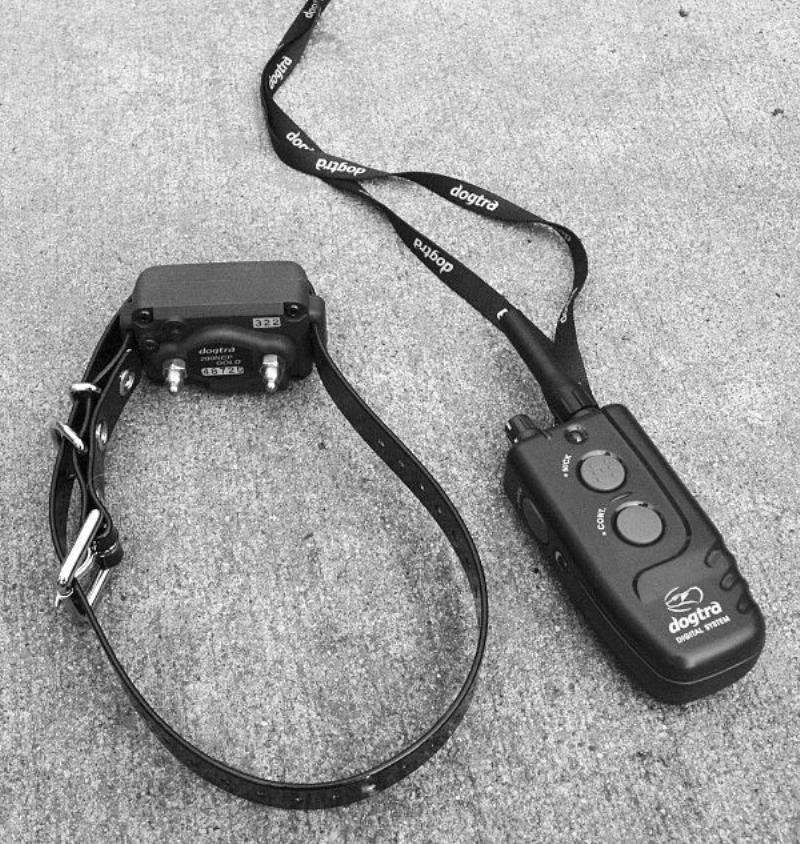
A remote training dog collar is a device that allows a handler to communicate with their dog from a distance using a handheld transmitter (the remote) and a receiver worn on the dog’s collar. When you press a button on the remote, it sends a signal to the collar, which then delivers a specific type of stimulation. The goal is to mark a behavior or redirect the dog’s focus back to you.
Deconstructing the Components
Every remote training system consists of two main parts:
- The Transmitter: This is the handheld remote you control. It typically has buttons for different types of stimulation and intensity levels. Modern transmitters are ergonomic, intuitive, and often feature a digital screen for clarity.
- The Receiver Collar: This part is worn by the dog. It houses the mechanism that delivers the stimulation and has two contact points (or prongs) that rest gently against the dog’s skin on their neck. It’s crucial that the collar fits properly—snug enough for the contact points to make contact, but not so tight that it’s uncomfortable.
Types of Stimulation: More Than Just a “Shock”
The biggest misconception about these collars surrounds the stimulation they provide. While older models relied on a single, often harsh, static shock, modern e-collars offer a range of communication methods.
- Tone/Beep: This is a simple auditory cue. Many trainers use the tone as a marker, much like a clicker. For example, the dog learns that “beep” means “look at me for a command” or “a reward is coming.”
- Vibration: This is a non-static sensation, similar to a cell phone vibrating in your pocket. It’s an excellent way to get a dog’s attention without using any static stimulation, and it’s particularly useful for deaf or hard-of-hearing dogs.
- Static Stimulation: This is the most misunderstood feature. Modern collars don’t deliver a painful shock. Instead, they use a mild static pulse, similar to the sensation of scuffing your feet on carpet and touching a doorknob. High-quality collars have a wide range of levels, often from 1 to 100. The working level for most dogs is very low, often undetectable to humans. The goal is never to punish, but to communicate. Dr. Sarah Miller, a canine behavior specialist, explains, “The key is finding the lowest level your dog notices, which acts as a clear signal, not a painful deterrent. It’s about nuanced communication, not coercion.”
Finding the right device is crucial, and the best remote dog training collar for you will depend on your dog’s temperament and your training goals.
Are Remote Training Collars Safe and Ethical?
This is the most important question to address. When used correctly and humanely, a remote training dog collar is a safe and effective tool. However, like any training tool, it can be misused. The ethics of using an e-collar lie entirely in the hands of the user.
The Humane Approach to E-Collar Training
The modern, ethical approach to using a remote training collar is built on a foundation of positive reinforcement. The collar is not used to punish bad behavior but rather to guide the dog toward the correct choice.
Imagine you’re teaching your dog a reliable recall (“come”).
- Introduce the Collar: First, you let the dog wear the collar for several days without ever turning it on, so they associate it with positive things (treats, walks, play). This is called “collar conditioning.”
- Find the “Working Level”: You find the lowest possible static level that your dog can just barely feel. This is often a subtle ear flick or a slight turn of the head. It’s a whisper, not a shout.
- Layering the Cue: You start by saying your recall command (“Come!”), then you press and hold the button at their low working level. The moment the dog starts moving toward you, you release the button and praise them enthusiastically, followed by a high-value reward when they reach you.
- Creating the Association: The dog quickly learns that they control the stimulation. By coming toward you, they “turn off” the sensation. The collar’s stimulation becomes a simple guide, not a punishment for not coming.
This method builds confidence and strengthens the bond between you and your dog. It’s about teaching, not intimidating. Many owners are specifically looking for dog training shock collars with remote because they offer this range of functionality for effective training.
When Not to Use a Remote Collar
It’s equally important to know when this tool is inappropriate. A remote collar should never be used on a dog that is fearful, anxious, or aggressive. Using static stimulation in these cases can worsen the underlying emotional issue. For example, if a dog is growling out of fear, punishing the growl with a correction can teach the dog to stop warning and simply bite. Always consult with a qualified, balanced trainer or veterinary behaviorist before considering a remote collar, especially if your dog has behavioral issues rooted in fear or anxiety.
 A person training a border collie in a field, holding a remote transmitter. The dog is focused and responding positively, showcasing a healthy training relationship.
How to Use a Remote Training Dog Collar Correctly
Proper use is everything. Simply buying a collar and “winging it” is a recipe for confusing your dog and damaging your relationship.
Step-by-Step Introduction and Use
- Professional Guidance: The best first step is to work with a professional trainer who is experienced in the humane use of e-collars. They can help you with proper fitting, finding the working level, and timing your cues correctly.
- Fit is Key: Ensure the receiver collar is fitted correctly on the upper part of the dog’s neck, just behind the ears. It should be snug enough that the contact points touch the skin, but you should be able to fit two fingers underneath the strap. The collar should be rotated every few hours to prevent skin irritation.
- Master the Basics First: Your dog should already understand basic commands like “sit,” “stay,” and “come” in a low-distraction environment. The e-collar is not for teaching new commands; it’s for reinforcing known commands at a distance and in the face of distractions.
- Start Low and Slow: Always begin training in a familiar, distraction-free area like your backyard. Keep sessions short, positive, and fun.
- Focus on Timing: Your timing is critical. The stimulation should be applied to guide the dog into the desired action and released the moment they comply. The release of pressure is part of the reward.
For specific scenarios, a device like a remote shock dog training collar can be effective, but only when these foundational principles are respected.
Common Mistakes to Avoid
- Using it out of Anger: Never use the collar to correct your dog when you are frustrated. Training should always be a calm and patient process.
- Being Inconsistent: If you only sometimes enforce a command with the collar, your dog will become confused. Consistency is the bedrock of all good dog training.
- Setting the Level Too High: Higher is not better. Using a high level of stimulation can create fear and anxiety, which shuts down the learning process. The goal is communication, not pain.
- Neglecting Positive Reinforcement: The remote collar is just one tool in your toolbox. Lavish praise, treats, and toys are still the primary motivators for your dog.
For dogs of a smaller stature, finding the right fit and stimulation level is even more critical, which is why researching the smallest dog training collar with remote is a wise step for owners of compact breeds.
Frequently Asked Questions (FAQ)
Can a remote training collar burn my dog’s neck?
This is a common myth. The marks sometimes seen on a dog’s neck are not burns but pressure sores, caused by leaving the collar on too tight for too long without rotation. It’s the same as a person getting a blister from a poorly fitted shoe. Proper fitting and regular rotation prevent this entirely.
At what age can I start using a remote training collar?
Most professional trainers recommend waiting until a dog is at least 6 months old and has a solid foundation of basic obedience. The dog should be emotionally mature enough to handle the training process.
Will a remote training collar make my dog afraid of me?
When used correctly—with low levels, positive reinforcement, and a focus on teaching—it should do the opposite. It clarifies communication and strengthens your bond by allowing for more freedom and trust. Misuse, however, can absolutely damage your relationship.
Is a vibration-only collar effective?
For many dogs, yes. A vibration can be a very effective attention-getter. However, in a high-distraction environment (like a squirrel running by), a sensitive dog may ignore the vibration. Static stimulation, even at a low level, is a more unique sensation that is harder to ignore.
Do I have to use the collar forever?
The goal is for the collar to become redundant. Through consistent training, the dog learns to respond reliably to your verbal commands alone. The collar then becomes a backup for safety, perhaps used only in new or highly distracting environments.
Conclusion: A Tool for Communication and Freedom
A remote training dog collar is one of the most misunderstood but potentially effective tools available to the modern dog owner. By moving past the outdated “shock collar” stigma and embracing it as a device for nuanced communication—a “tap on the shoulder”—we can unlock a new level of partnership with our dogs. It’s a way to ensure safety for the dog who loves to run, to provide clarity for the dog distracted by wildlife, and to build off-leash reliability that leads to more freedom and more fun together. The key is education, patience, and a commitment to using the tool humanely, always pairing it with a wealth of positive reinforcement. When used with respect, this tool doesn’t just train a dog; it deepens the story you share together.
