
Understanding and effectively training your canine companion is a cornerstone of responsible dog ownership. While traditional methods work wonders, sometimes a little extra technological assistance can bridge the gap, especially for stubborn behaviors or specific training goals. This is where a Remote Dog Training Collar, often referred to as a remote training collar or e-collar, can become an invaluable tool. These devices are designed to provide a clear, consistent communication line between you and your dog, utilizing remote signals to correct unwanted behaviors or reinforce positive ones. It’s crucial to approach the use of any training collar with a solid understanding of its function, benefits, and ethical application to ensure your dog’s well-being and to foster a stronger bond based on trust and clear communication.
What is a Remote Dog Training Collar?
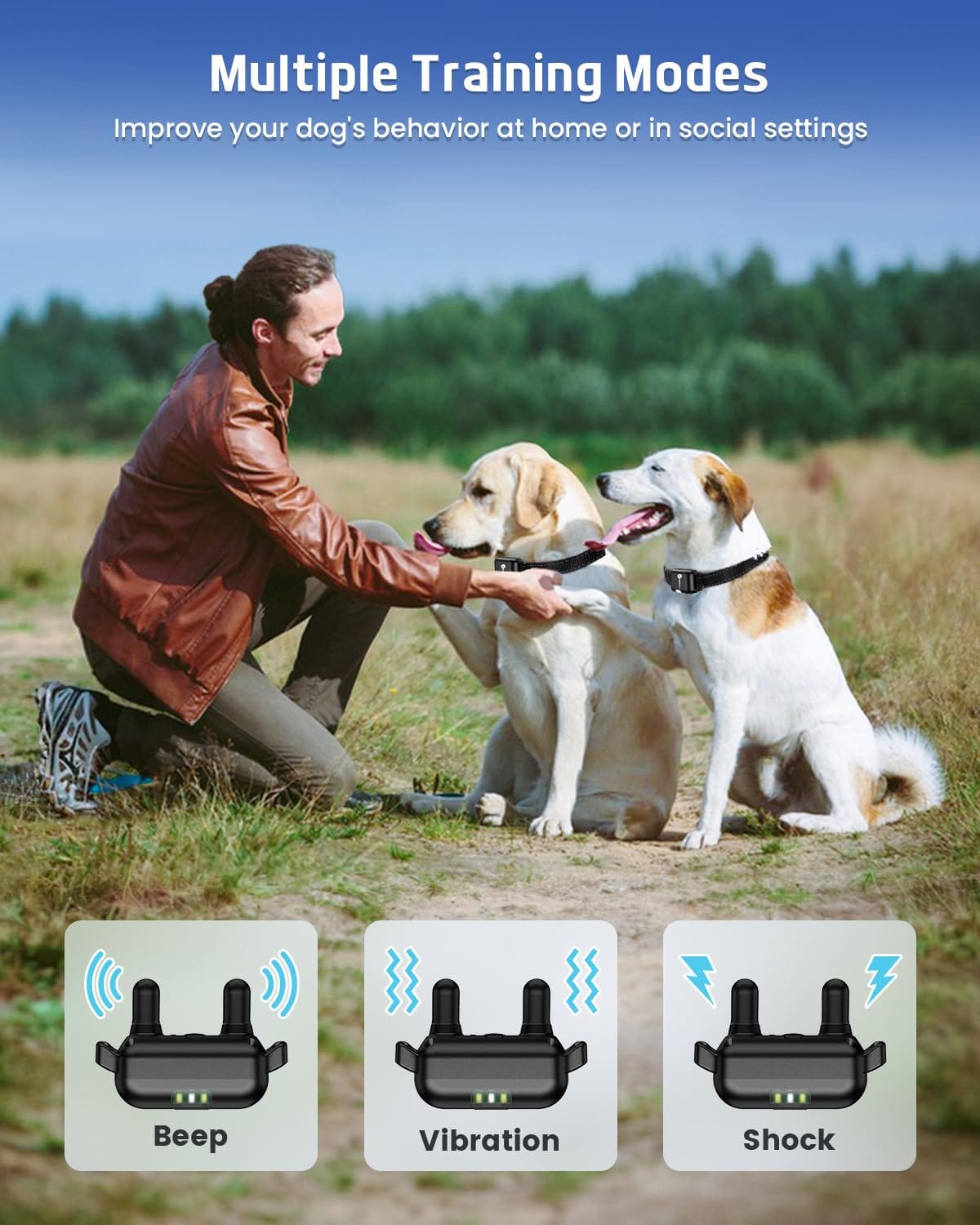
At its core, a remote dog training collar system consists of two main components: a transmitter (the remote control) and a receiver (the collar worn by the dog). The transmitter, held by the handler, allows you to send a signal to the receiver on the dog’s collar. This signal can manifest in several ways, depending on the collar’s features and settings:
- Vibration: A harmless but noticeable vibration delivered to the dog’s neck.
- Tone/Audible Alert: A beep or sound that can be used as a warning or a cue.
- Static Stimulation: A mild electrical pulse, adjustable in intensity. This is the feature that often garners the most discussion and requires the most careful and ethical application. It is not meant to cause pain but to provide a clear, attention-getting sensation that interrupts a behavior.
The primary goal is to use these signals to communicate with your dog during training sessions, guiding them towards desired actions and away from undesirable ones. Many modern collars offer a range of intensity levels for the static stimulation, allowing owners to find the lowest effective level for their individual dog.
How Do Remote Training Collars Work for Dog Training?
The effectiveness of a remote dog training collar lies in its ability to provide immediate feedback. When your dog is about to engage in an unwanted behavior (like jumping on guests, excessive barking, or running off-leash), you can use the remote to send a signal. This signal serves to interrupt the behavior and draw the dog’s attention back to you.
- Interruption and Redirection: The sensation from the collar acts as a brief interruption, stopping the dog in their tracks. This is your moment to redirect their attention to a desired action. For instance, if your dog is about to bark at a passing car, a gentle vibration can stop the bark, and you can then reward them for looking at you instead.
- Association and Learning: Over time, the dog learns to associate the sensation with the unwanted behavior and, more importantly, with the desired behavior you are reinforcing. The key is to pair the remote signal with clear verbal cues and positive reinforcement (like treats or praise) when the dog performs the correct action.
- Building on Existing Training: These collars are most effective when used as a supplementary tool to established training methods, such as positive reinforcement and clicker training. They are not a replacement for consistent training, socialization, and understanding your dog’s needs. For example, if you’re teaching your dog to “come,” you might use the remote to get their attention if they’re distracted, and then reward them heavily when they do return.
It’s important to note that the goal is never to punish a dog, but rather to communicate clearly and effectively. The static stimulation, when used correctly and at the appropriate level, is designed to be a humane deterrent, not a painful punishment.
Key Features to Look For in a Remote Dog Training Collar
When selecting a remote dog training collar, several features can significantly impact its usability and effectiveness for your specific needs. Considering these aspects will help you choose a product that is safe, reliable, and suitable for your dog.
Range and Durability
- Range: How far can the transmitter send a signal to the receiver? This is crucial if you have a large yard, or if you plan to use the collar for off-leash training in open spaces. Look for collars with ranges from a few hundred yards up to a mile or more.
- Durability: Dogs are active creatures, and their training gear needs to withstand some wear and tear. Look for waterproof or water-resistant collars and transmitters, as well as rugged construction that can handle exposure to the elements and your dog’s playful antics.
Levels of Stimulation and Correction Types
- Adjustable Levels: As mentioned, the ability to adjust the intensity of the static stimulation is paramount. This allows you to tailor the correction to your dog’s sensitivity and the specific situation. Starting at the lowest effective level is always recommended.
- Multiple Correction Types: Collars offering vibration and tone in addition to static stimulation provide a more nuanced training approach. You can often use vibration or tone for less severe issues or as a warning before escalating to static stimulation if necessary.
Ease of Use and Fit
- Ergonomic Remote: The transmitter should be comfortable to hold and operate, ideally with easily accessible buttons for different functions. Some remotes have a screen to display settings, which can be very helpful.
- Collar Fit: The receiver collar should fit your dog comfortably and securely, ensuring good contact with their skin for the signal to be effective, but not so tight that it causes chafing or discomfort. Many collars are adjustable to fit a wide range of neck sizes.
- Rechargeable Batteries: Most modern collars come with rechargeable batteries for both the transmitter and receiver, which is more convenient and cost-effective than disposable batteries.
Safety Features
- Safety Lock: Some remotes have a safety lock feature to prevent accidental
activation of the stimulation. - Automatic Shut-off: Certain collars are designed to automatically shut off after a prolonged stimulation period to prevent over-correction.
- Progressive Stimulation: Advanced models may offer progressive stimulation, where the intensity gradually increases if the dog doesn’t respond, providing a clear escalation of communication.
Understanding the Ethical Use of Remote Training Collars
The discussion around remote dog training collars often involves strong opinions, primarily due to concerns about their potential for misuse. However, when used correctly and ethically, these collars can be a safe and effective training aid. It’s essential to approach their use with a commitment to your dog’s well-being.
When to Use a Remote Training Collar
- Addressing Persistent Behaviors: For behaviors that are difficult to correct with traditional methods, such as persistent barking, chasing, or roaming.
- Off-Leash Training: To ensure your dog responds to commands like “come” or “stay” even when they are some distance away and highly distracted.
- Safety: In situations where an immediate response is critical for your dog’s safety, such as preventing them from running into traffic.
- Supplementing Other Training: As a tool to reinforce commands learned through positive reinforcement and obedience classes.
When NOT to Use a Remote Training Collar
- As a First Resort: Always try positive reinforcement and basic obedience training first.
- For Aggression: These collars are not designed to treat aggression. Aggressive behavior often requires professional intervention from a certified animal behaviorist.
- On Dogs with Health Issues: Consult your veterinarian before using any training collar on a dog with pre-existing health conditions, particularly heart problems or neurological issues.
- Inappropriately: Never use the collar out of anger or frustration. Training should always be a positive and patient experience. The stimulation should be used judiciously and at the lowest effective level.
Professional Guidance
If you are considering using a remote dog training collar, especially for the first time, seeking guidance from a qualified and experienced dog trainer is highly recommended. A professional can help you:
- Determine if a remote training collar is appropriate for your dog and the specific training challenges you face.
- Select the right type of collar.
- Fit the collar correctly.
- Teach you how to use the collar effectively and ethically, ensuring you understand the different levels of stimulation and how to apply them appropriately.
- Integrate the collar into a broader, positive training plan.
A trainer can help ensure that the collar is used as a communication tool, not a punitive device, and that your dog’s emotional and physical well-being remains the top priority. This approach to dog training collars with remote control ensures that the technology serves to enhance your relationship, not harm it.
Common Questions About Remote Training Collars
Q1: Are remote training collars cruel or inhumane?
A1: When used correctly and ethically, with adjustable levels and proper guidance, they are not considered cruel. The goal is to provide a clear, mild sensation to interrupt a behavior, not to inflict pain. Many professionals advocate for their use as a communication tool. However, misuse or using them at unnecessarily high levels can be detrimental.
Q2: What is the difference between a shock collar and a remote training collar?
A2: While often used interchangeably, “shock collar” can sound harsh. “Remote training collar” or “e-collar” are more accurate and preferred terms, as the sensation is not necessarily a painful shock but a static stimulation. Modern collars offer a spectrum of sensations, including vibration and tone, making them more versatile than the term “shock collar” implies.
Q3: How long should I use the remote training collar?
A3: The duration of use varies greatly depending on the dog, the behavior being trained, and the owner’s consistency. The goal is typically to phase out the reliance on the collar as the dog reliably understands and performs the desired behaviors. This might take weeks or months. Many owners use it for specific training phases or for emergency recalls, rather than continuous, long-term use.
Q4: Can I use a remote training collar on a puppy?
A4: Generally, it’s recommended to wait until a puppy is at least 4-6 months old, and ideally when they have completed some basic positive reinforcement training. Their bodies are still developing, and their understanding of commands is rudimentary. Consulting a professional trainer is crucial when considering any training tool for a young dog.
Q5: What if my dog is scared of the vibration or tone?
A5: If your dog shows signs of fear or anxiety towards the vibration or tone, start with these sensations at their lowest setting and pair them with positive reinforcement (treats, praise). Gradually increase exposure as the dog becomes more comfortable. If the fear persists, the collar may not be the right tool for your dog, or you may need more expert guidance.
Conclusion: A Tool for Clear Communication
A remote dog training collar, when chosen carefully and used responsibly, can be a powerful tool in your dog training arsenal. It offers a consistent and immediate way to communicate with your dog, helping to curb unwanted behaviors and reinforce positive ones, especially in distracting environments or for persistent issues. The key lies in understanding its function, selecting a collar with appropriate features, and, most importantly, committing to ethical and humane application. By prioritizing your dog’s well-being, seeking professional guidance when needed, and integrating the collar into a broader training plan, you can foster a deeper understanding and a stronger bond with your canine companion. It’s about building a relationship based on trust, clear communication, and mutual respect, ensuring your dog is a well-behaved and happy member of the family.
