
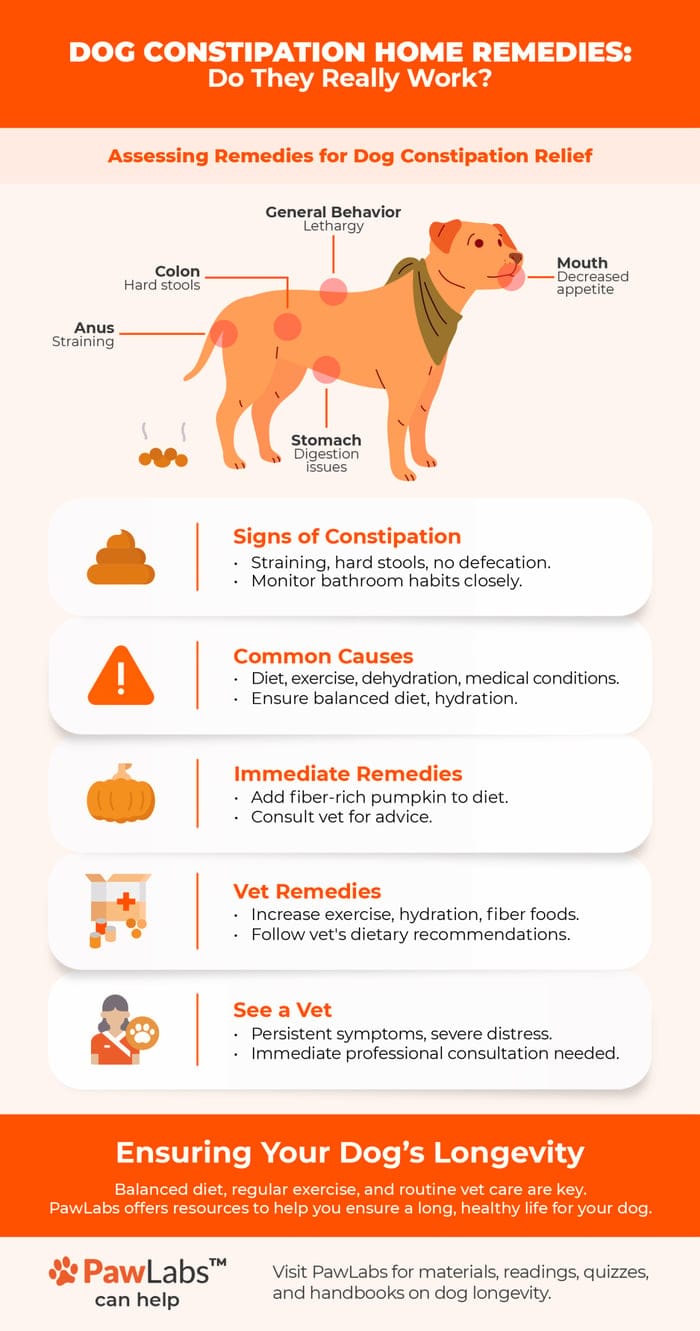
Constipation is a common and uncomfortable issue for dogs, but it can escalate into serious health problems if not addressed promptly. This guide, drawing from veterinary insights, will explore the symptoms, causes, and effective treatment strategies for canine constipation, both in a clinical setting and at home.
My Dog is Constipated: Why?
When a dog experiences infrequent, difficult, or absent bowel movements, they are suffering from constipation, a prevalent problem within the digestive system of pets. This condition can become a veterinary medical emergency requiring immediate attention, especially if accompanied by straining, pain, or the passage of hard, dry stools. Some dogs may also exhibit signs such as passing mucus, excessive circling, scooting on the ground, or frequent squatting. Palpation of the abdomen or lower back might reveal tension and pain, causing the dog to vocalize or cry out.
Causes of Constipation in Dogs
Several factors can contribute to a dog’s constipation:
- Lifestyle and Diet: Lack of exercise, insufficient or excessive dietary fiber, dehydration due to other illnesses, sudden changes in diet, or the ingestion of foreign objects like toys, gravel, plants, dirt, or bones can all play a role.
- Physical Blockages and Pain: Blocked or abscessed anal sacs, matted hair around the anus (often due to obesity or poor grooming), orthopedic issues causing pain during defecation, enlarged prostate glands, or obstructions from tumors or masses near the anus or within the rectum can lead to constipation.
- Health Conditions: Neurological disorders and certain medications can also cause or exacerbate constipation. Trauma to the pelvis can also be a contributing factor.
Elderly dogs may be more prone to constipation, but any dog facing one or more of these scenarios is at risk.
Dog Constipation Symptoms
Key indicators of constipation include straining, crying, or crouching when attempting to defecate. If your dog hasn’t had a bowel movement in over two days, a veterinary visit is crucial. It’s important to note that these symptoms can mimic urinary tract issues, making a thorough physical examination by a veterinarian essential for an accurate diagnosis.
How is Constipation in Dogs Treated?
While numerous home remedies can be found online, consulting with your veterinarian is the most reliable course of action. A vet will take a medical history, perform a physical and potentially a rectal examination to rule out other causes, and may recommend treatments such as:
- Prescription diets formulated to be high in fiber.
- Stool softeners or other prescribed laxatives.
- Increased exercise.
- Enemas, which should only be administered by a professional to avoid risks of injury or toxicity.
- Dietary adjustments with added fiber sources like wheat bran, canned pumpkin, or supplements like Metamucil, under veterinary guidance.
- Small amounts of milk (goat or cow).
- Medications designed to enhance the contractile strength of the large intestine.
Following your vet’s specific instructions is vital to prevent trading constipation for diarrhea. Rancho Cucamonga Animal Hospital offers an in-house lab for prompt diagnostic testing and an on-site pharmacy stocked with necessary medications and prescription diets.
What Can I Give My Dog for Constipation?
While home remedies can be beneficial, always discuss them with your veterinarian first to ensure there are no underlying serious conditions. Recommended home remedies include:
- Pumpkin Puree: 100% pure pumpkin puree provides both fiber and moisture to aid digestion.
- Canned Dog Food: Its high moisture content can help soften stools. Mix it with their regular food to avoid digestive upset.
- Dietary Fiber Supplements: Introducing more fiber can help stimulate the digestive tract, but always consult your vet before administering any supplements.
- Fresh Water: Ensuring your dog stays hydrated is crucial for softening stools. If your dog is not drinking, seek veterinary attention immediately.
- Exercise: Increased physical activity, such as longer walks or playtime, can help get the digestive system moving.
What Can Happen if My Dog’s Constipation is Not Treated?
Untreated constipation can lead to obstipation, a condition where the colon becomes impacted with feces, making it impossible for the dog to defecate on their own. This can result in lethargy, persistent straining, loss of appetite, and potentially vomiting.
When to See a Veterinarian
Regularly monitor your dog’s bowel movement frequency and stool appearance. If you notice signs of constipation, try increasing their water and fiber intake or employing recommended home remedies. However, if constipation persists for more than two days, or if your dog shows signs of severe pain, vomiting, lethargy, or bloating, seek veterinary care immediately.
To aid your vet in diagnosis, be prepared to provide information on:
- Bowel movement frequency and stool appearance.
- Recent changes in diet or environment.
- Any non-edible items ingested.
- Current medications and any recent injuries.
- Observed symptoms like pain, straining, vomiting, lethargy, or bloating.
A physical exam combined with diagnostic testing will help your veterinarian determine the cause and create an effective treatment plan for your dog’s constipation.
Note: The information provided here is for educational purposes and does not substitute professional veterinary advice. Always consult your veterinarian for an accurate diagnosis and treatment plan for your pet.
If your dog is exhibiting symptoms of constipation, visit our vets in Rancho Cucamonga for prompt examination and care.
