
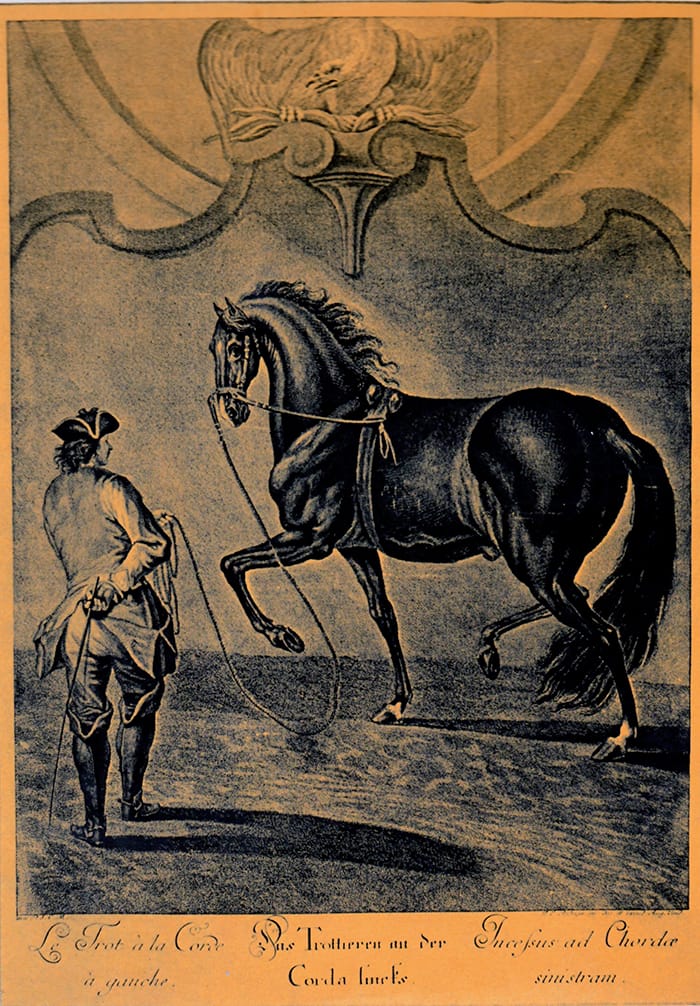
Learning to train a horse is a deeply rewarding journey, fostering a unique bond built on trust and mutual understanding. At the heart of effective horsemanship lies the skillful use of reins, acting as the primary communication tool between rider and horse. Whether you’re a novice embarking on your equestrian adventure or an experienced rider looking to refine your techniques, understanding the nuances of rein aids is paramount. This comprehensive guide will explore the essential aspects of using reins in horse training, ensuring you can guide your equine partner with clarity, consistency, and kindness.
The way you hold and use your reins can significantly impact your horse’s response and overall well-being. It’s not just about control; it’s about communication. Think of the reins as an extension of your hands, conveying subtle cues that your horse learns to interpret. Mastering these cues is fundamental to positive reinforcement training horses, ensuring that your training is not only effective but also ethical and humane.
Understanding the Basics of Rein Handling
Before diving into advanced techniques, it’s crucial to grasp the fundamentals of how reins should be held and managed. A relaxed yet firm grip is key. Your hands should be positioned at a consistent height, typically around the withers, with your thumbs on top and the reins passing between your little finger and ring finger. This natural position allows for independent movement of your fingers and wrist, facilitating clearer communication.
The Importance of a Soft Hand
A “soft hand” is a cornerstone of good horsemanship. It means maintaining a gentle, responsive contact with the horse’s mouth through the reins, avoiding any harshness or pulling. Imagine holding a delicate bird; you want to secure it without crushing it. This soft contact allows the horse to relax its jaw and poll, which is essential for suppleness and responsiveness. Harsh hands can lead to resistance, mouth issues, and a breakdown in communication.
Consistent Contact and Release
Consistency is vital in training. Your cues, including those given through the reins, should be delivered with the same intention each time. Equally important is the timely release of the rein aid. When your horse responds correctly, immediately relax the pressure. This release acts as a reward, signaling that they have done the right thing. This positive reinforcement is far more effective than maintaining constant tension.
Essential Rein Aids for Horse Training
The reins are used to convey a variety of aids that guide the horse’s movement and direction. Understanding each of these aids allows for more precise control and effective training.
Straightening and Turning Aids
To encourage your horse to move forward in a straight line, maintain an even, steady contact with both reins. For a turn, the inside rein is used to initiate the bend, while the outside rein acts as a support and control, preventing the horse from over-bending or falling in. Think of the inside rein as guiding the horse’s nose and the outside rein as a “wall” to keep the body aligned through the turn. This is a fundamental aspect of neck reining training horses.
Collection and Engagement
To encourage collection, where the horse engages its hindquarters and lifts its forehand, the rider uses a slightly deeper, more consistent contact on the reins. This aids in lifting the base of the neck and encouraging the horse to carry itself more uphill. It’s a subtle cue that requires sensitivity and an understanding of your horse’s body.
Stopping and Slowing
A gentle, steady pull back on both reins, accompanied by a voice command like “whoa,” is the primary way to ask your horse to slow down or stop. The key is to use just enough pressure to achieve the desired response and then immediately release. Avoid yanking or leaning back, as this can create resistance.
Advanced Rein Techniques and Considerations
As you and your horse progress, you can explore more advanced rein techniques that further refine communication and performance.
Lateral Movements
For exercises like leg-yields and shoulder-in, the reins play a crucial role in maintaining the horse’s balance and suppleness. The inside rein encourages flexion, while the outside rein helps maintain straightness through the body. This requires a sophisticated understanding of how each rein aid influences the horse’s frame and movement.
Transitions
Smooth transitions between gaits (e.g., walk to trot, trot to canter) rely heavily on well-timed rein aids, in conjunction with seat and leg cues. A slight softening of the reins can signal a downward transition, while a gentle, consistent contact can encourage an upward transition. The goal is to make these changes feel seamless and effortless for the horse.
The Role of Different Reins
The type of reins you use can also influence your training. Split reins offer more freedom for individual rein aids, while split reins can be advantageous for specific disciplines. Understanding the pros and cons of each type can help you choose the best equipment for your needs. For example, when learning to rein train a horse, the type of reins can significantly impact the learning curve.
Common Mistakes and How to Avoid Them
Even experienced riders can fall into bad habits. Being aware of common mistakes can help you maintain best practices in your training.
The “Perpetual Pull”
One common error is maintaining constant, unwavering tension on the reins. This is often referred to as a “hard” or “dead” hand. Horses can become desensitized to this constant pressure, leading to resistance and a lack of responsiveness. Remember to always use the minimum amount of pressure necessary and release the rein aid as soon as the horse responds.
Over-Reliance on Reins
Reins are just one part of the rider’s communication system. Over-reliance on the reins, to the exclusion of seat and leg aids, can lead to an unbalanced rider and a horse that is stiff or unresponsive to other cues. Your seat and legs should be the primary drivers of the horse’s movement, with the reins used for fine-tuning and direction. Consider how techniques like using a carrot stick horse training method can complement rein work by focusing on body language.
Inconsistent or Jarring Aids
Inconsistency in your rein aids can confuse your horse, making training a frustrating experience for both of you. Likewise, using jarring or sudden movements with the reins can startle the horse and damage trust. Always strive for clear, predictable, and gentle cues.
Enhancing Your Rein Training Skills
Continuous learning and practice are key to becoming a skilled horse trainer.
Seek Professional Guidance
Working with a qualified riding instructor or trainer can provide invaluable feedback on your rein aids. They can identify subtle issues in your hand position or timing that you might not notice yourself, and offer personalized advice to help you improve. They can also introduce you to techniques like horse training reins that you may not have encountered before.
Practice, Practice, Practice
The more time you spend with your horse, the more attuned you will become to its responses. Practice your rein aids at all gaits and in various situations. Pay attention to your horse’s body language – a flicking ear, a swishing tail, or a tense jaw can tell you a lot about how they are perceiving your cues.
Utilize Training Tools Wisely
While the focus should always be on developing a soft, responsive feel, certain training tools can aid in the learning process. However, these should always be used with instruction and a clear understanding of their purpose, ensuring they complement rather than replace good horsemanship.
Mastering the art of rein training is an ongoing process that requires patience, sensitivity, and a deep respect for the horse. By focusing on clear communication, consistent application of aids, and a commitment to ethical practices, you can build a strong, trusting partnership with your equine companion, leading to a truly exceptional riding experience.
