
In the heart of Lexington, Kentucky, a city synonymous with equine excellence, lies a track unlike any other. Its surface, a rich, unmistakable crimson, tells a story more than a century old. This is The Red Mile, a legendary cornerstone of the sport and a vibrant hub for the thrilling world of Red Mile Horse Racing. For over 140 years, this hallowed ground has been the stage for some of the greatest moments in harness racing, offering a unique and captivating experience for fans and horsemen alike.
The track’s legacy is built on the thundering hooves of Standardbreds, the distinctive two-wheeled sulkies they pull, and a passionate community dedicated to preserving this incredible sport. A visit here is more than just a day at the races; it’s an immersion into a living piece of American equestrian history. While many associate Kentucky with Thoroughbreds, The Red Mile proudly showcases the speed, strategy, and power of harness racing, a discipline that continues to captivate audiences. Understanding the nuances of different racing styles can be as fascinating as comparing the careers of the best racing horses of all time, each a champion in their own right.
What Makes Red Mile Horse Racing Unique?
Unlike the galloping Thoroughbreds seen at many other tracks, The Red Mile specializes in harness racing. This form of racing requires horses, specifically the Standardbred breed, to maintain a specific gait—either a trot or a pace—without breaking into a gallop. They pull a driver seated in a two-wheeled cart known as a sulky.
The Stars of the Show: Standardbreds
The Standardbred is a breed celebrated for its temperament and athleticism. They are the undisputed stars of harness racing. The sport is divided into two categories based on gait:
- Trotters: These horses move with a diagonal gait, where the right front and left rear legs move forward in unison, and vice versa. It’s a incredibly disciplined and challenging gait to maintain at high speed.
- Pacers: This is a lateral gait, meaning the legs on the same side of the horse’s body move forward together. Pacing is generally faster than trotting, and many of the sport’s world records are held by pacers.
This focus on specific gaits adds a layer of strategy and skill that is unique to harness racing. A horse that “breaks” its gait must be skillfully brought back into the correct stride by its driver, often costing them valuable position in the race.
The Rich History of The Red Mile
Founded on September 28, 1875, by the Kentucky Trotting Horse Breeders Association, The Red Mile is the second-oldest harness track in the world. Its name is a direct and simple description of its famous one-mile track, made of vibrant red clay. In its early days, attendance was sparse, but as word spread, it quickly grew into a premier destination for the sport.
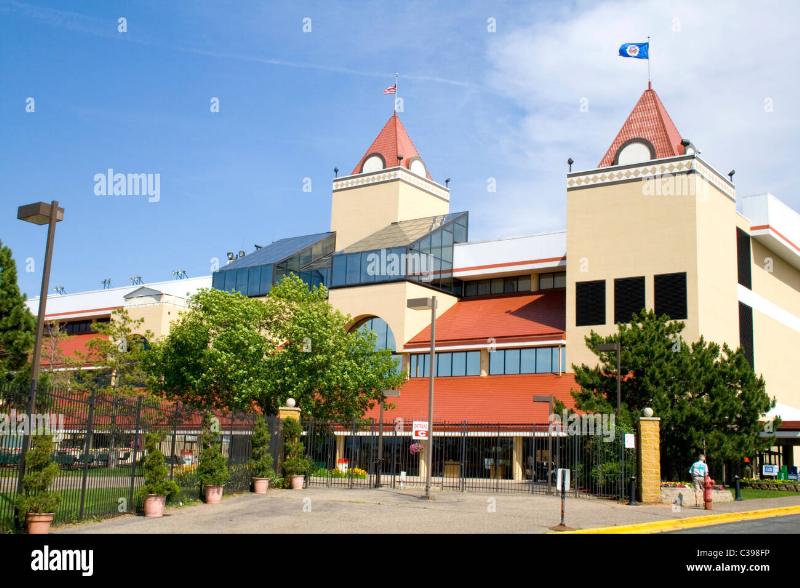 A stunning panoramic view of Red Mile horse racing in Lexington, showing a harness race in progress on the iconic red clay track with the historic grandstand in the background.
One of the most iconic structures on the grounds is the Round Barn. Originally built in 1882 as Floral Hall for agricultural expositions, this beautiful four-story octagonal building later became a stable for legendary horses. Today, it serves as an event space and a museum, housing precious artifacts that tell the story of the track and the champions who raced there. This dedication to preserving history is a hallmark of the Lexington equestrian community.
The Crown Jewel: The Kentucky Futurity
Every fall, The Red Mile hosts its signature event: the Kentucky Futurity. First run in 1893, it is the oldest classic race in harness racing. The Futurity is the third and final jewel in the Triple Crown of Harness Racing for Trotters, making it one of the most prestigious events on the calendar. Winning this race solidifies a three-year-old trotter’s place in history.
The Futurity is the highlight of the Grand Circuit meet, a two-week period that attracts the best horses, drivers, and trainers from across North America. During this time, the track comes alive with high-stakes races, including the Tattersalls Pace and the Kentucky Filly Futurity, creating an electric atmosphere for spectators. The meticulous preparation involved rivals that of any top stable, much like the process for getting aidan o brien horses in training 2025 ready for a new season.
Visiting The Red Mile: What to Expect
A day at The Red Mile is both relaxed and exhilarating. The venue has beautifully blended its historic charm with modern amenities. In 2015, The Red Mile partnered with the famed Keeneland Race Course to add a state-of-the-art gaming and simulcast facility. This allows visitors to enjoy live and simulcast racing and historical horse racing machines year-round.
For the first-time visitor, here are a few tips:
- Learn the Basics: Take a moment to read the program. It provides a wealth of information about the horses, their drivers, and their past performances.
- Placing a Bet: Betting on harness racing is simple and adds to the excitement. You can place bets for a horse to win, place (finish first or second), or show (finish first, second, or third). Start with a small wager to get the hang of it.
- Enjoy the View: The Red Mile offers fantastic sightlines from the grandstand. You can get close to the action and feel the ground shake as the horses thunder down the homestretch.
The experience is a wonderful way to connect with the local horse culture. For those inspired by the action and looking to get more involved, there are many avenues to explore, and checking out local [horse training classes near me](https://dogcarestory.com/horse-training-classes-near-me/) can be an excellent first step.
The Living Legacy of Red Mile Horse Racing
The Red Mile is more than just a racetrack; it’s a living museum and a beacon for the future of harness racing. Legends of the sport, such as the immortal pacer Dan Patch and the great trotter Greyhound, have graced its red clay and set world records that stood for decades. The track’s commitment to excellence has been instrumental in the development and promotion of the Standardbred breed.
Its influence is felt deeply within the Lexington community and across the globe. By preserving its history while embracing innovation, The Red Mile ensures that the tradition of harness racing will continue to thrive for generations to come. The stories of its champions and the dedicated horsemen, like the renowned [john maher horse trainer](https://dogcarestory.com/john-maher-horse-trainer/), are woven into the very fabric of the track.
Frequently Asked Questions about Red Mile Horse Racing
What is the difference between harness racing and thoroughbred racing?
Thoroughbred racing involves jockeys riding on horses’ backs at a gallop. Harness racing features drivers in two-wheeled carts called sulkies, with horses required to maintain a specific gait (a trot or a pace).
When is the live racing season at The Red Mile?
Live racing typically runs from late spring through the fall. The highlight is the Grand Circuit meet in late September and early October. However, the simulcast and gaming facility is open year-round.
What is the Kentucky Futurity?
The Kentucky Futurity is one of the most prestigious races in the sport for three-year-old trotters. It is the third jewel in the Trotting Triple Crown and has been held at The Red Mile since 1893.
Can you bet on races at The Red Mile?
Yes, wagering is a key part of the experience. You can bet on live races as well as simulcast races from tracks all over the world. The facility offers betting windows and self-service terminals.
Is The Red Mile open year-round?
While live racing is seasonal, the gaming and simulcast facility at The Red Mile is open every day of the year, offering historical horse racing machines and broadcasting races from other tracks.
What should I wear to The Red Mile?
The dress code at The Red Mile is generally casual and comfortable, especially for live outdoor racing. There is no strict dress code, so you can enjoy the day in whatever makes you feel at ease.
Conclusion
The Red Mile offers a unique and unforgettable chapter in the story of American horse racing. It’s a place where history is honored, champions are made, and the timeless bond between horse and human is celebrated with every race. Whether you are a seasoned harness racing fan or a curious newcomer, a visit to this iconic venue provides a thrilling glimpse into a sport defined by precision, power, and passion. The tradition of Red Mile horse racing isn’t just surviving; it’s thriving, offering an authentic piece of Kentucky’s equine soul to all who walk through its gates.
