
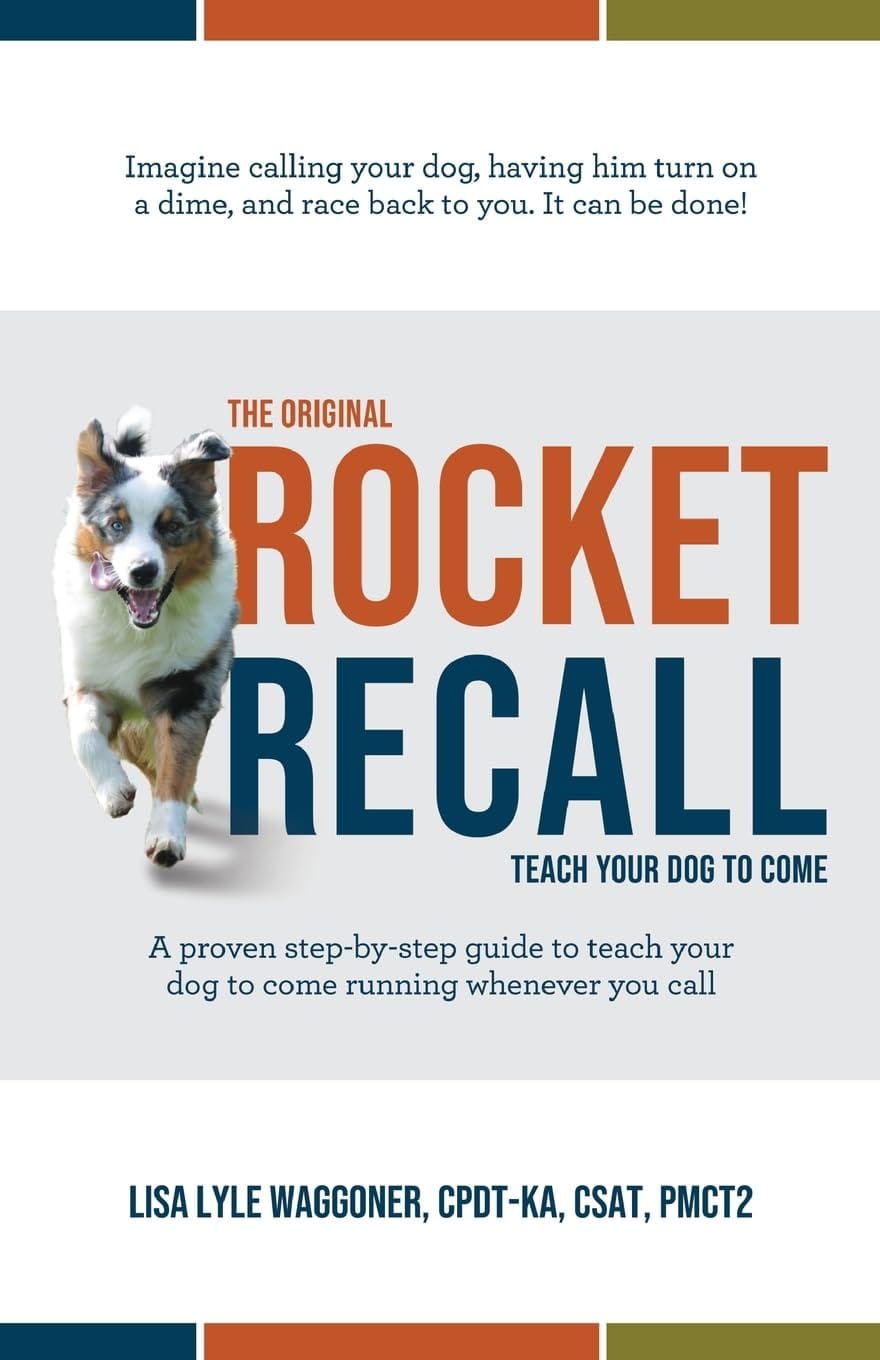
The bond between a dog and its owner is built on trust and communication, and one of the most crucial aspects of this communication is a reliable recall. Imagine the freedom of letting your dog off-leash in a park, knowing they’ll come bounding back to you at a moment’s notice. This isn’t just a dream; it’s an achievable reality with consistent and positive recall dog training. If you’re searching for “Recall Dog Training Near Me,” you’re already on the right path to fostering a deeper connection and ensuring your dog’s safety.
The Critical Importance of Recall Training
Recall, often referred to as “come” training, is more than just a party trick. It’s a life-saving command. A strong recall can prevent your dog from running into traffic, getting lost in unfamiliar territory, or approaching potentially dangerous situations. Beyond safety, a well-trained recall dramatically enhances your ability to enjoy outdoor activities together, whether it’s hiking, playing fetch, or simply relaxing in a public space. It builds confidence in both you and your dog, knowing that you can manage them effectively in various environments. For those actively looking for daily dog training routine, recall is a cornerstone.
Understanding Your Dog’s Recall Needs
Every dog is an individual, and their learning style, breed predispositions, and past experiences all play a role in how quickly and effectively they learn recall. Some breeds, like herding dogs, may have a natural inclination to stay close and respond quickly, while others might be more independent. Recognizing these differences is key to setting realistic expectations and tailoring your training approach. The goal is not just obedience, but a genuine desire from your dog to return to you.
Foundational Steps for Effective Recall Training
The journey to a rock-solid recall starts with foundational principles. It’s about making yourself the most exciting and rewarding option for your dog.
Making Yourself the Ultimate Reward
Your dog should perceive coming to you as the best thing ever. This means associating your call with high-value rewards.
- High-Value Treats: Use treats that your dog absolutely loves – small pieces of cooked chicken, cheese, or special training treats they don’t get at other times.
- Enthusiastic Praise: Your tone of voice is crucial. Use a happy, encouraging tone. “Good boy/girl!” delivered with genuine excitement can be a powerful motivator.
- Play and Affection: Sometimes, a favorite toy or a good petting session is the best reward. Vary your rewards to keep things interesting.
Starting in a Low-Distraction Environment
Begin your recall training in a quiet, enclosed space like your living room or backyard. This minimizes distractions and allows your dog to focus solely on you.
- Use a Long Leash: Once in a controlled outdoor space, like a fenced yard, use a long leash (15-30 feet). This gives your dog some freedom while still maintaining control.
- Say the Cue: Cheerfully say your dog’s recall cue (e.g., “Come!” or their name followed by “Come”).
- Encourage Movement: Pat your legs, clap your hands, or back away slightly to encourage them to move towards you.
- Reward Generously: When they reach you, shower them with praise and their high-value treat.
- Practice, Practice, Practice: Keep training sessions short (5-10 minutes) and positive.
The “Come” Command: More Than Just a Word
It’s important to establish a clear and consistent recall cue. Avoid using your dog’s name alone as a recall command, as it can become associated with many different things (like bath time or nail trims). Choose a distinct word and use it only for recall. The most important commands to teach dog always include a reliable recall.
“Never call your dog to come to you for something unpleasant. If you need to do something like trim their nails or give them a bath, go to them instead of calling them to you for it.” – A common piece of advice from seasoned dog trainers.
Gradually Increasing Difficulty: The Key to Reliability
Once your dog is consistently responding in a low-distraction environment, it’s time to slowly introduce more challenges. This is where the real strength of the recall is built.
Introducing Distractions
- Mild Distractions: Start with mild distractions in your training area, such as another person walking by at a distance, or a quiet park with few other dogs.
- Increasing Distractions: Progress to busier environments like parks with other dogs playing, or more urban settings.
- Manage Expectations: In highly distracting environments, your dog might not respond perfectly immediately. That’s okay! Use the long leash and focus on rewarding any attempt to turn towards you or move in your direction.
Proofing the Recall
Proofing is the process of ensuring your dog will respond to the recall cue in any situation, regardless of distractions.
- Vary Locations: Practice in different parks, on hiking trails, and in various public spaces.
- Incorporate Play: Sometimes, a game of chase or tug can be a great way to practice recall in a fun context.
- The “Emergency Stop”: Consider teaching an “emergency stop” or “down” command that can be used if the recall is failing and the dog is heading into danger. This is an advanced skill but can be invaluable.
Common Recall Training Pitfalls and How to Avoid Them
Even with the best intentions, recall training can hit a few snags. Understanding these common mistakes can help you navigate them more effectively.
- Using the Recall for Punishment: As mentioned, never call your dog to scold or punish them. This will teach them to ignore the command.
- Inconsistent Rewarding: As your dog improves, it’s tempting to reward less often. However, maintaining high-value rewards, especially in challenging situations, is crucial for continued success.
- Calling Too Often: Avoid calling your dog repeatedly if you suspect they won’t come. This devalues the cue. If they’re unlikely to respond, go get them.
- Punishing After Success: If your dog finally comes to you after a long chase, don’t scold them for taking so long. Praise and reward them for the recall itself.
- Setting Them Up for Failure: Don’t call your dog away from something they find incredibly rewarding (like chasing a squirrel) without being fully prepared with a high-value reward and a controlled environment.
Advanced Recall Techniques and Tips
For those looking to take their recall training to the next level, consider these advanced strategies:
The “Two-Second Rule”
This is a popular technique where you say the recall cue, wait for two seconds, and if the dog doesn’t come, you then go and get them. This prevents the dog from learning that they can ignore you initially.
Incorporating Recall into Play
Games like fetch can be modified to include recall. Throw a toy, let your dog chase it, then call them back to you before they grab it. Reward them, then throw another. This teaches them that coming back to you is part of the fun. For those interested in structured training, dog obedience training near me manhattan can offer professional guidance.
Recall Games
- Hide and Seek: Have a family member hold your dog while you hide. Call them, and reward them handsomely when they find you.
- Round Robin: With multiple people, have everyone stand a short distance apart. Each person calls the dog, rewarding them when they arrive. This helps the dog learn to recall to anyone in the family.
The Long-Term Benefits of a Reliable Recall
Investing time and effort into recall dog training near me yields immense rewards. It transforms your dog from a potentially unpredictable companion into a responsive and trustworthy partner. It opens up a world of possibilities for adventures, strengthens your bond, and provides peace of mind. Remember, benefits of dog training extend far beyond simple commands, fostering a deeper understanding and connection between you and your canine friend.
Ultimately, a well-trained recall is a testament to the dedication you have for your dog’s well-being and happiness. It’s a continuous journey, but one that is incredibly fulfilling and crucial for a harmonious life together. If you’re in dog training panama city fl or any other location, seeking local expertise can accelerate your progress and ensure you’re employing the most effective, positive methods.
