
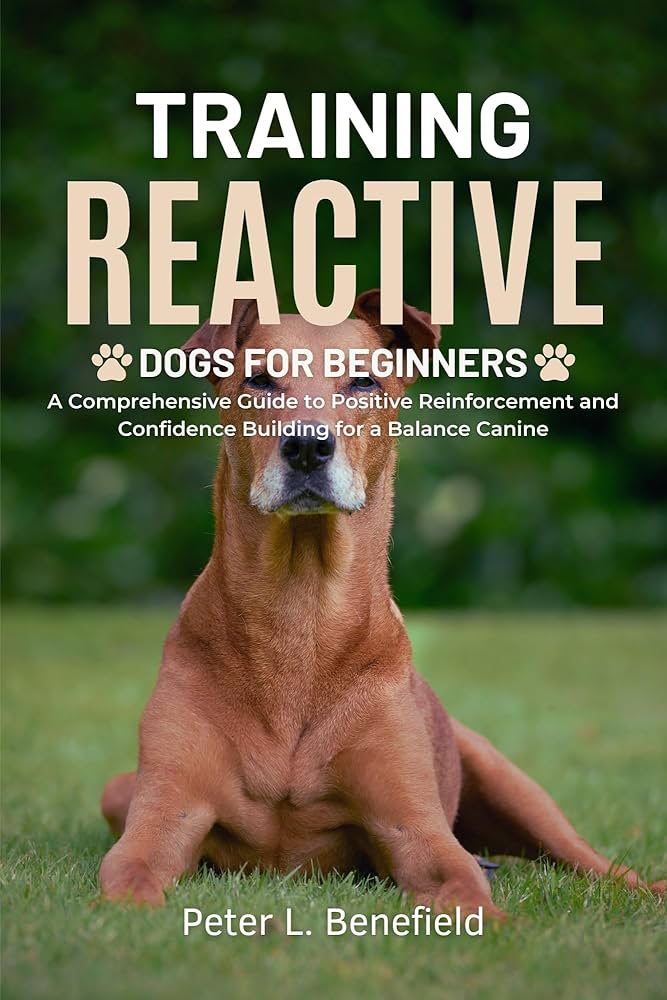
Dog reactivity is a common behavior seen in many dogs. It’s often misunderstood and can be a source of frustration for owners. Reactivity isn’t about a dog being “bad” or “aggressive”; it’s typically a fear-based or over-aroused response to a trigger. Understanding the root causes and implementing effective training strategies can transform your dog’s behavior and strengthen your bond. This guide will delve into the world of dog reactivity, offering insights and practical steps for a calmer, happier canine companion.
What Exactly Is Dog Reactivity?
At its core, reactivity in dogs refers to an exaggerated response to certain stimuli, or “triggers.” These triggers can vary widely and include other dogs, people, bicycles, cars, or even specific sounds. Instead of calmly observing, a reactive dog might bark, lunge, growl, or display other stress signals. It’s crucial to differentiate reactivity from true aggression, although reactivity can sometimes escalate if not managed properly. For instance, a dog exhibiting behavioral dog training near me services might be addressing underlying reactivity issues.
Common Triggers for Reactive Dogs
- Other Dogs: This is perhaps the most frequent trigger. A reactive dog might bark intensely or lunge when seeing another dog, especially if on a leash.
- People: Strangers, people wearing hats, men, or children can all be triggers for some dogs.
- Objects in Motion: Bicycles, skateboards, strollers, and even cars can cause a reactive response.
- Sounds: Loud noises, doorbells, or specific environmental sounds can startle a dog into a reactive state.
- Environmental Changes: New places or situations can overwhelm some dogs, leading to reactivity.
Understanding the “Why” Behind Reactivity
Reactivity is often rooted in fear, anxiety, or frustration. A dog that has had a negative experience with a trigger might develop a learned response. They might also be under-socialized, meaning they haven’t been exposed to a variety of people, places, and other animals in a positive way during their critical developmental periods. Sometimes, underlying medical conditions or pain can also contribute to a dog becoming more sensitive and reactive. This is where understanding specialized training, like special needs dog training, becomes important.
The Role of Fear and Anxiety
When a dog feels threatened or overwhelmed, their natural instinct is to create distance from the perceived danger. For some dogs, this manifests as “fight or flight.” Since they are often on a leash and can’t flee, they may resort to “fighting”—barking, lunging, and growling—to make the trigger go away. This is why consistent training out aggression in dogs is essential, focusing on building confidence rather than suppressing behavior.
Frustration and Pent-Up Energy
Another common cause is frustration. A dog that is confined, doesn’t get enough exercise, or is constantly prevented from interacting with things they find interesting might become frustrated. This frustration can boil over into reactivity, especially when they finally encounter a trigger they desperately want to investigate or play with, but can’t.
Recognizing the Signs of Reactivity
It’s important to spot the subtle signs before your dog’s response escalates. Early signs of stress and discomfort include:
- Lip licking
- Yawning when not tired
- Stiffening of the body
- Whale eye (showing the whites of their eyes)
- Panting when not hot or exerted
- Ears pulled back
As the stress increases, you might see:
- Barking
- Lunging
- Growling
- Hackles raised
Effective Training Strategies for Reactive Dogs
The key to managing reactivity is to address the underlying emotion and change the dog’s association with the trigger. This is a process that requires patience, consistency, and a deep understanding of your dog’s behavior.
Management: Preventing Rehearsal of Reactivity
The first step is to prevent your dog from practicing their reactive behavior. Every time your dog reacts, it reinforces the behavior and makes it harder to change.
- Avoidance: Until you can work on training, try to avoid known triggers. This might mean walking at quieter times or in less populated areas.
- Distance: Create distance between your dog and the trigger. If you see another dog approaching, cross the street, duck behind a car, or turn around.
Desensitization and Counter-Conditioning (DSCC)
This is the cornerstone of reactivity training.
- Desensitization: Gradually exposing your dog to their trigger at a distance where they notice it but don’t react. This is often called working “under threshold.”
- Counter-Conditioning: Pairing the presence of the trigger (at a distance where the dog is comfortable) with something highly positive, like a high-value treat. The goal is to change your dog’s emotional response from fear or anxiety to anticipation and happiness.
For example, if your dog reacts to other dogs, you would find a distance where your dog can see another dog but remain calm. As soon as your dog sees the other dog, you give them a delicious treat. When the other dog is out of sight, the treats stop. Over time, as your dog becomes more comfortable, you can gradually decrease the distance. This approach is fundamental to behavioral dog training near me if you seek professional help.
Positive Reinforcement Training
Using positive reinforcement to teach your dog alternative behaviors can be incredibly effective.
- “Look at That” (LAT) Game: Teach your dog to look at the trigger and then look back at you for a reward. This redirects their attention and creates a positive association.
- “Find It”: Scatter treats on the ground when a trigger appears. This encourages your dog to focus on sniffing and foraging, which is calming.
- Teaching a “Watch Me” or “Focus” Cue: This cue can help regain your dog’s attention when they are starting to get overwhelmed.
Building Confidence and Impulse Control
A dog with higher confidence and better impulse control is less likely to become reactive.
- Trick Training: Teaching new tricks builds confidence and strengthens your bond.
- Enrichment Activities: Puzzle toys, scent work, and interactive games can help release pent-up energy and reduce stress.
- Obedience Training: Practicing basic obedience cues in various environments helps improve your dog’s overall responsiveness and focus.
When to Seek Professional Help
While many reactivity issues can be addressed with dedicated home training, some dogs require professional guidance. If you’re struggling to make progress, your dog’s reactivity is severe, or you feel unsafe, don’t hesitate to reach out to a qualified professional.
- Certified Professional Dog Trainer (CPDT-KA or CPDT-KSA): Look for trainers who use positive reinforcement methods and have experience with reactivity.
- Veterinary Behaviorist (DACVB): For severe cases or when medication might be beneficial, a veterinary behaviorist is the most qualified professional.
Many trainers offer services ranging from in-person sessions to virtual consultations. Searching for best dog training Dallas TX or folsom dog resort & training center folsom ca can help you find reputable options in your area.
The Owner’s Role: Patience and Understanding
Managing a reactive dog is a journey, not a race. There will be good days and bad days. It’s crucial to remain patient, celebrate small victories, and avoid punishment, which can worsen fear and anxiety. Your understanding and consistent efforts are the most powerful tools in helping your dog overcome reactivity and live a more balanced life.
By implementing these strategies and seeking support when needed, you can help your dog navigate the world with more confidence and less stress. The “Dog Care Story” is about building a partnership based on trust, knowledge, and love, and that includes understanding and helping even our most challenging canine companions.
