
Does your dog bark, lunge, or even snap at other dogs or people when you’re out and about? If so, you’re likely dealing with a reactive dog. It can be stressful for both you and your furry friend, but the good news is that with the right approach, you can help your dog feel more comfortable and less overwhelmed. Finding specialized Reactive Dog Training Near Me is a crucial step towards a calmer, happier life for your dog and a more enjoyable experience for you.
Understanding reactivity is the first step. It’s not about a dog being “bad” or “aggressive” in a malicious way. Instead, reactivity is often a sign of fear, anxiety, over-excitement, or frustration. When a dog feels threatened or overwhelmed, their natural instinct is to react. This can manifest as barking, growling, lunging, or even trying to flee. The goal of reactive dog training is to help your dog develop coping mechanisms and build confidence, so they can navigate the world without feeling the need to react intensely.
What Causes Dog Reactivity?
Several factors can contribute to a dog’s reactivity. It’s rarely a single cause, but often a combination of genetics, early life experiences, and socialization.
- Lack of Socialization: Dogs who weren’t exposed to a variety of sights, sounds, people, and other dogs during their critical socialization period (roughly 3 to 16 weeks of age) may be more prone to fear and reactivity later in life. They simply haven’t learned that new experiences aren’t something to be feared.
- Negative Past Experiences: A frightening encounter with another dog, a person, or a startling situation can leave a lasting impact. If a dog has been injured or felt threatened, they may generalize that fear to similar situations.
- Genetics and Breed Predispositions: Some breeds are naturally more predisposed to certain behaviors, including alertness and territoriality, which can sometimes tip into reactivity if not managed.
- Medical Issues: Pain or illness can make a dog more irritable and less tolerant of stimuli they might otherwise ignore. A sudden onset of reactivity can sometimes be a sign that a vet check-up is needed.
- Frustration or Over-Arousal: Some dogs become reactive simply because they are overly excited or frustrated. Think of a dog who desperately wants to greet another dog but is held back by a leash – this frustration can build and lead to barking or lunging.
The Role of Fear in Reactivity
Fear is perhaps the most common driver of reactivity. When a dog feels scared, their “fight or flight” response kicks in. Because running away (flight) isn’t always an option, especially when leashed, they may resort to “fight” – which, in a dog’s world, often looks like barking, lunging, or growling to try and make the perceived threat go away. This is why understanding the underlying emotion is key to effective reactive dog training near me.
How Reactive Dog Training Works
Effective reactive dog training near me focuses on changing your dog’s emotional response to triggers. It’s not about punishment, but about building positive associations and teaching new behaviors.
Desensitization and Counter-Conditioning (DSCC)
This is the cornerstone of most reactivity training programs.
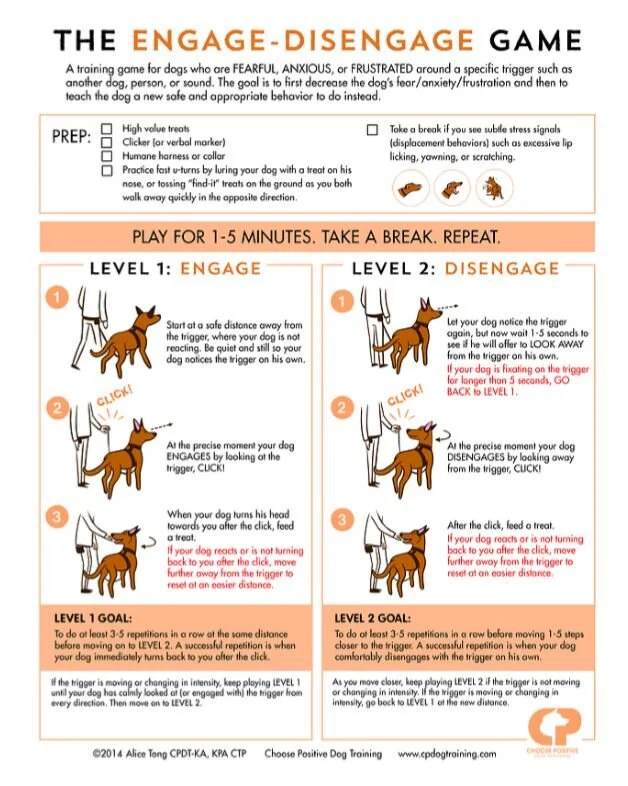
- Desensitization: Gradually exposing your dog to their trigger (e.g., another dog) at a distance where they notice it but don’t react. The goal is to be “under threshold” – the point at which your dog is calm.
- Counter-Conditioning: While your dog is calmly observing the trigger at a safe distance, you pair it with something highly positive, like a super-tasty treat or a favorite toy. The idea is to change their association from “Oh no, a dog! Scary!” to “Oh, a dog! That means yummy treats!”
Over time, and with many repetitions, you can slowly decrease the distance to the trigger as your dog becomes more comfortable. This process requires patience and a keen eye for your dog’s body language.
Building Confidence and Impulse Control
Training programs also work on building your dog’s overall confidence and teaching them to control their impulses. This might include:
- Basic Obedience Refresher: Ensuring commands like “sit,” “stay,” and “come” are solid provides a foundation for communication and control.
- Focus Exercises: Teaching your dog to focus on you, even when distractions are present, is invaluable. Games like “Look at That” (where you reward your dog for looking at a trigger calmly and then looking back at you) are excellent for this.
- Leash Skills: Loose-leash walking is crucial. A tight leash can actually increase a dog’s arousal and reactivity. Training on how to walk calmly by your side is a key component. For challenging cases, you might explore professional dog training treat pouch to reinforce good behavior immediately.
Management Strategies
While you are training, management is key to prevent your dog from practicing reactive behaviors. This might mean:
- Avoiding triggers: If you know your dog reacts to other dogs on a narrow sidewalk, choose a quieter time or place to walk.
- Creating distance: If you see a trigger approaching, calmly cross the street, turn around, or step behind a car.
- Using appropriate gear: A well-fitting harness (like a front-clip harness) or a head halter can offer better control and reduce the risk of neck injury compared to a standard collar, especially for strong pullers. However, these are management tools, not training solutions in themselves.
Finding the Right Reactive Dog Training Near Me
When searching for reactive dog training near me, look for trainers who use positive reinforcement methods and have specific experience with reactivity.
- Ask about their methods: Do they use punishment-based techniques? If so, steer clear. Effective training for reactivity relies on building trust and positive associations.
- Inquire about their experience: How long have they been working with reactive dogs? Can they provide references or testimonials from clients with similar issues?
- Understand the process: A good trainer will explain their approach, which will likely involve DSCC, impulse control, and management. They should also be able to read your dog’s body language and help you do the same.
- Consider the environment: Is the training done in a controlled environment, or do they work in real-world settings? A good program will likely incorporate both. For specific issues like aggressive small dog training, a trainer experienced with that particular challenge is essential.
- Look for comprehensive programs: Some trainers offer specialized programs for reactivity, or may have expertise in areas like service dog training for autism which often involves managing a dog’s sensitivity in public.
What to Expect During Training
Reactive dog training near me isn’t a quick fix. It’s a journey that requires commitment from you and your dog. You’ll learn to understand your dog’s signals better, manage challenging situations, and implement training techniques consistently. Progress might be gradual, with ups and downs. Celebrate the small victories – a moment of calm when another dog passes, or a successful focus exercise in a mildly distracting environment.
When to Seek Professional Help
If you’re struggling to manage your dog’s reactivity, or if their reactions are severe, it’s time to seek professional help. A qualified trainer or a veterinary behaviorist can assess your dog, identify the root causes of their reactivity, and develop a tailored training plan. Don’t hesitate to reach out for support; trainers specializing in issues like dog bite training near me understand the seriousness and can provide the guidance you need.
The Benefits of a Well-Trained Reactive Dog
The rewards of investing in reactive dog training near me are immense. Imagine:
- Stress-free walks: Enjoying outings with your dog without the constant worry of their next reaction.
- Improved bond: Building a deeper connection with your dog based on trust and clear communication.
- A happier dog: Helping your dog feel more secure and comfortable in the world.
- Increased freedom: Being able to visit dog-friendly places without constant anxiety.
Training a reactive dog is one of the most rewarding challenges a dog owner can undertake. By understanding the causes of reactivity and committing to positive, science-based training methods, you can help your dog transform from a reactive pup into a confident, well-adjusted companion. Remember, every dog deserves a chance to feel safe and happy, and with the right support, yours can too.
