
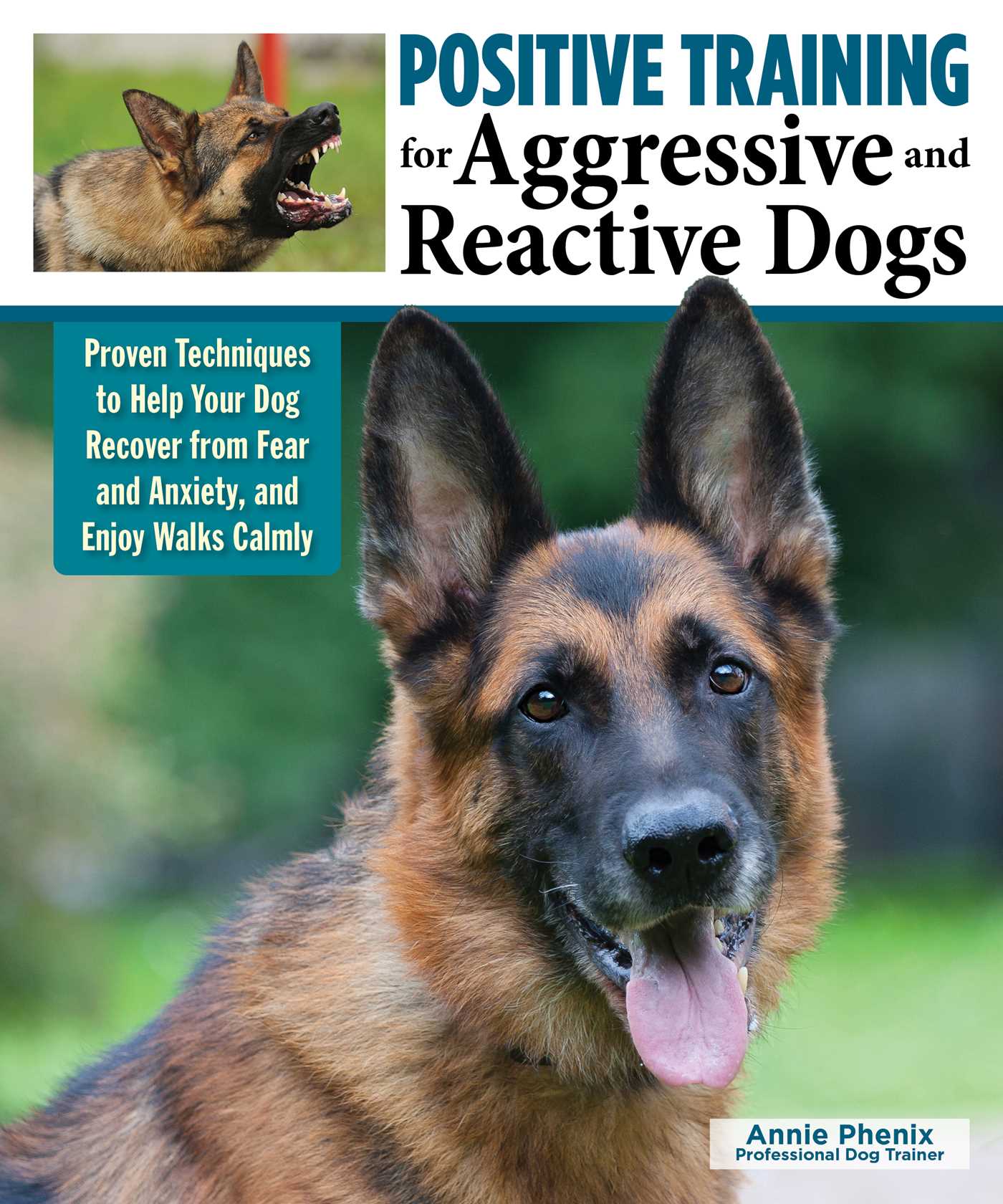
Navigating the world of dog ownership in Denver comes with unique joys and challenges. Among these, a particularly common concern for many owners is dealing with a reactive dog. Reactive dogs, often misunderstood, are simply dogs who overreact to certain triggers, whether it’s other dogs, people, or even specific objects. This overreaction can manifest as barking, lunging, growling, or even fearful avoidance. If you’re in Denver and seeking solutions for your dog’s reactivity, you’re in the right place. This guide will delve into understanding reactive behaviors, finding expert help, and implementing effective training strategies right here in the Mile High City.
Understanding Dog Reactivity: Beyond the Bark
Before diving into specific training methods or seeking out a Denver-based trainer, it’s crucial to understand what reactivity truly means. It’s not about a dog being “bad” or “aggressive” in a malicious sense. Instead, reactivity is an amplified emotional response to a stimulus that the dog perceives as overwhelming or threatening.
What Triggers Reactivity?
Triggers can be incredibly varied and personal to each dog. In an environment like Denver, with its mix of urban bustle and outdoor adventures, common triggers include:
- Other Dogs: This is perhaps the most frequent trigger. Seeing another dog can elicit a fearful or frustrated response, leading to barking or lunging.
- People: Unfamiliar individuals, especially those who approach suddenly or are perceived as a threat, can cause a reactive episode. This can be more pronounced with men, children, or people wearing hats or carrying unusual objects.
- Environmental Stimuli: Loud noises (construction, fireworks common in Denver’s event scene), skateboards, bicycles, certain vehicles, or even specific visual cues can set a dog off.
- Physical Touch or Restraint: Leash reactivity is a significant issue. The restriction of a leash can heighten a dog’s frustration and lead to an explosive reaction when a trigger is present.
The Science Behind the Reaction
Dr. Sophia Chen, a renowned veterinary behaviorist, explains, “Reactivity is often rooted in fear, anxiety, or frustration. When a dog feels threatened or overwhelmed, their ‘fight or flight’ response kicks in. For some dogs, this means freezing or fleeing, but for others, it means barking, lunging, or growling as a way to create distance from the perceived threat.” Understanding this underlying emotion is key to effective training. It’s not about punishing the dog for reacting, but about helping them feel safer and more in control.
Finding Expert Reactive Dog Training in Denver
Denver boasts a vibrant community of skilled dog trainers and behaviorists specializing in reactivity. Choosing the right professional is paramount for your dog’s progress and your peace of mind.
What to Look for in a Reactive Dog Trainer
When searching for a trainer, prioritize those who employ positive reinforcement and force-free methods. These approaches focus on rewarding desired behaviors and managing the environment to prevent reactions, rather than using punishment, which can exacerbate fear and anxiety.
- Credentials and Experience: Look for certifications from reputable organizations like the Certification Council for Professional Dog Trainers (CCPDT), the Karen Pryor Academy (KPA), or the Victoria Stilwell Academy (VSA). Experience specifically with reactive dogs is a huge plus.
- Training Philosophy: Ensure their methods align with your values. Do they believe in punishment, or do they focus on understanding the dog’s emotional state?
- Consultation Process: A good trainer will want to meet you and your dog for an initial consultation to assess the situation, discuss your goals, and outline a personalized plan.
- Clear Communication: They should be able to clearly explain their methods, expected progress, and the science behind their approach.
Top Resources for Reactive Dog Training in Denver
While I cannot endorse specific businesses, here’s how you can find qualified professionals in Denver:
- Online Search: Use terms like “reactive dog trainer Denver,” “dog behaviorist Denver,” “positive reinforcement dog training Denver,” or “leash reactivity Denver.”
- Referrals: Ask your veterinarian for recommendations. Many vets have trusted trainers they work with. Local reputable shelters and rescue organizations can also be excellent sources of referrals.
- Professional Directories: Websites of certifying bodies (like CCPDT) often have a “find a trainer” tool.
Considering a Certified Applied Animal Behaviorist (CAAB) or Veterinary Behaviorist
For severe cases of reactivity, especially those involving aggression, consulting a Certified Applied Animal Behaviorist (CAAB) or a veterinary behaviorist (DACVB) is highly recommended. These professionals have advanced degrees and specialize in diagnosing and treating complex behavioral issues. They can provide a diagnosis and a comprehensive treatment plan, which may include medication in conjunction with behavior modification.
Practical Strategies for Managing Reactivity at Home and in Denver
Beyond professional training, there are proactive steps you can take daily to help your reactive dog thrive.
Management: Preventing Rehearsal of Reactivity
Management is about preventing your dog from practicing their reactive behaviors. Every time a dog lunges and barks at another dog, and the other dog moves away (which it often does, simply because it was walking away), the reactive dog’s brain says, “Hey, my barking worked! I made that scary thing go away!” This reinforces the unwanted behavior.
- Avoidance: Until your dog is more stable, avoid high-trigger situations. If you know a particular park trail is always crowded with dogs, choose a less populated time or location. Opt for quiet morning or evening walks.
- Create Distance: If you see a trigger approaching, calmly cross the street, duck behind a car, or turn around. The goal is to keep your dog under their threshold – the point at which they start to react.
- Secure Your Home: Ensure your dog cannot rush the door or window when someone approaches. Baby gates, crate training, or a designated “safe zone” can be invaluable.
Training Techniques for Reactive Dogs
Once management is in place, you can begin working on training exercises.
Desensitization and Counter-Conditioning (DSCC)
This is the cornerstone of training for reactive dogs.
- Desensitization: Gradually exposing your dog to their trigger at a distance where they don’t react. For example, if your dog is reactive to other dogs, start by watching dogs from across a very large park or from inside your car.
- Counter-Conditioning: Pairing the trigger with something positive. As your dog sees the trigger at a safe distance, give them high-value treats (like small pieces of chicken, cheese, or hot dogs). The goal is for your dog to associate the trigger with good things, changing their emotional response from fear or frustration to anticipation of a reward.
How it looks in practice: You’re sitting in your car at a distance from a dog park. When a dog appears in the distance, your dog notices but remains calm. You immediately feed them a string of tiny, delicious treats. The dog leaves, and you stop feeding treats. Repeat this process consistently.
Engaging with the Environment
Denver offers fantastic opportunities for positive training experiences.
- “Look at That” (LAT) Game: Teach your dog to look at a trigger and then look back at you for a reward. This empowers the dog to disengage from the trigger on their own.
- Engaging Walks: Instead of just walking, make it a training session. Practice “find it” games with treats scattered on the ground, work on loose-leash walking skills in low-distraction areas, or practice simple obedience cues like “sit” and “stay.”
- Utilizing Denver’s Open Spaces: While avoiding crowded areas, use Denver’s many parks and trails during off-peak hours for DSCC. A quiet early morning stroll in Wash Park or a late evening walk in Cherry Creek State Park can provide excellent opportunities.
Building Confidence
A confident dog is often a less reactive dog.
- Trick Training: Learning new tricks builds confidence and strengthens the bond between you and your dog.
- Nose Work/Scent Games: Dogs have an incredible sense of smell. Engaging their natural abilities through scent games can be incredibly rewarding and confidence-building.
- Agility or Dog Sports (in controlled environments): Once your dog is more stable, introductory classes in dog sports can provide mental and physical stimulation in a structured, positive setting. Look for classes specifically designed for dogs who may be sensitive.
Addressing Leash Reactivity in Denver
Leash reactivity is a common and frustrating issue. The techniques for DSCC are crucial here. Additionally:
- Use the Right Equipment: A well-fitting harness that doesn’t restrict shoulder movement (like a front-clip harness) can help you redirect your dog without causing discomfort or pain. Avoid choke chains, prong collars, or shock collars, as these can increase anxiety and aggression.
- Practice “U-Turns”: If you see a trigger, calmly turn and walk the other way, luring your dog with a treat. This teaches them that you will help them navigate challenging situations.
- Environmental Walks: Practice walking in less stimulating areas to build confidence with the leash itself before introducing triggers.
Health and Nutrition Considerations for Reactive Dogs
A dog’s overall health and diet can significantly impact their behavior.
The Gut-Brain Connection
Emerging research highlights the connection between gut health and behavior.
- Diet Quality: Ensure your dog is on a high-quality, balanced diet. Talk to your veterinarian about the best food options for your dog’s specific needs.
- Supplements: Some supplements, such as probiotics, omega-3 fatty acids, or calming supplements containing L-theanine or tryptophan, may be beneficial. Always consult your vet before introducing any supplements.
Veterinary Check-ups
Sudden changes in behavior, including increased reactivity, can sometimes be linked to underlying medical conditions (e.g., pain from arthritis, thyroid issues, neurological problems).
- Rule Out Medical Causes: If your dog’s reactivity has recently emerged or worsened, a thorough veterinary examination is essential. Your vet can perform blood tests and other diagnostics to rule out any physical ailments contributing to the behavior.
The Role of Patience and Consistency
Training a reactive dog is a marathon, not a sprint. It requires immense patience, consistency, and a deep understanding of your dog’s needs.
Celebrate Small Victories
Progress with reactive dogs often involves small, incremental steps. Not every day will be a success. Some days, your dog might handle a trigger with less intensity, or you might be able to get closer than before. Celebrate these moments! They are building blocks for future success.
Building a Stronger Bond
The journey of training a reactive dog can profoundly deepen the bond between you and your canine companion. By learning to read your dog’s body language, understanding their emotional state, and working together to overcome challenges, you build a relationship based on trust and mutual respect.
Community Support in Denver
Connecting with other dog owners who understand the challenges of raising a reactive dog can be incredibly helpful. Look for local online groups or community forums dedicated to positive dog training in Denver. Sharing experiences and tips can provide moral support and practical advice.
Embracing the Journey with Your Reactive Dog in Denver
Living with a reactive dog in Denver can be challenging, but with the right approach, understanding, and professional guidance, significant progress is achievable. By focusing on positive reinforcement, consistent management, and understanding your dog’s emotional world, you can help your furry friend become more confident and comfortable in their environment. Remember, every dog is an individual, and their journey to overcome reactivity is unique. Embrace the process, celebrate the wins, and enjoy the special bond you share.
