
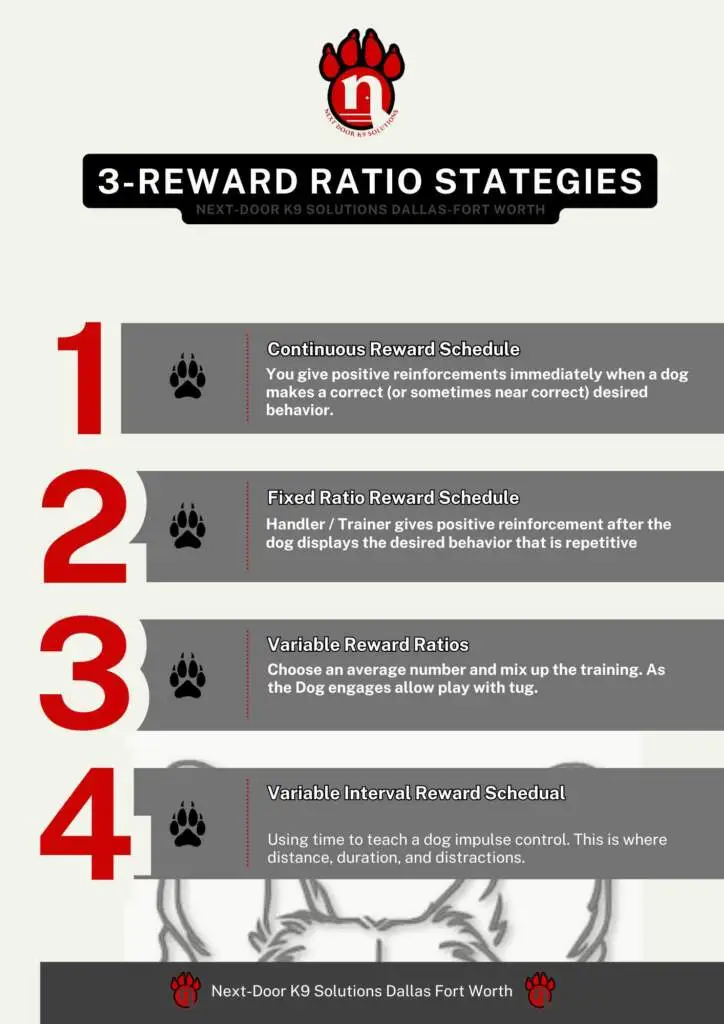
Reactive dog training in Dallas is a crucial topic for many dog owners. A reactive dog is one that overreacts to certain stimuli, such as other dogs, people, or even specific objects. This overreaction can manifest as barking, lunging, growling, or even snapping. It’s not aggression in the malicious sense, but rather an intense emotional response that the dog struggles to manage. Understanding the root causes and effective training methods is key to helping your canine companion feel more secure and well-behaved.
What Makes a Dog Reactive?
Dog reactivity stems from a variety of factors, often a combination of genetics, past experiences, and socialization.
- Genetics and Breed Tendencies: Some breeds may be predisposed to being more sensitive or alert, which can sometimes translate into reactivity.
- Lack of Socialization: Dogs who weren’t properly exposed to various sights, sounds, and experiences during their critical socialization period (typically between 3 and 16 weeks) may be more fearful or anxious when encountering new things later in life.
- Negative Past Experiences: A frightening encounter with another dog, a loud noise, or an unexpected event can create a lasting negative association, leading to a fearful or defensive reaction in similar situations.
- Underlying Anxiety or Fear: Some dogs are naturally more anxious or fearful, and reactivity can be a way they express this distress.
- Medical Issues: In some cases, pain or discomfort from an undiagnosed medical condition can make a dog more irritable and prone to reacting. It’s always a good idea to rule out health problems with your veterinarian.
Common Triggers for Reactive Dogs
Identifying your dog’s specific triggers is the first step in addressing reactivity. While triggers vary greatly, some common ones include:
- Other Dogs: This is perhaps the most frequent trigger. Seeing another dog, especially at a distance, can set off a chain reaction.
- People: Certain types of people (e.g., men with hats, people with strollers, joggers) or people who approach too quickly can be triggers.
- Leashes: Ironically, the leash itself can contribute to reactivity. A dog on a leash often feels trapped and unable to escape a perceived threat, leading to tension and a stronger reaction. This is sometimes referred to as “leash frustration.”
- Environmental Stimuli: Loud noises, sudden movements, cars, bicycles, or even certain objects can startle a reactive dog.
Understanding Reactive Dog Training
The goal of reactive dog training is not to suppress the dog’s emotions but to help them manage their responses more appropriately. It’s about changing the dog’s emotional state from one of fear, anxiety, or frustration to one of calm or neutrality when faced with a trigger. This requires patience, consistency, and a deep understanding of canine behavior.
Key Principles of Reactive Dog Training
- Management: The first and most critical step is to prevent your dog from practicing the reactive behavior. This means avoiding situations where they are likely to react. This might involve walking at quieter times, crossing the street to avoid other dogs, or using visual barriers. Effective management prevents the behavior from becoming more ingrained.
- Desensitization and Counter-Conditioning (DSCC): This is the cornerstone of most reactive dog training programs.
- Desensitization involves gradually exposing your dog to their trigger at a distance where they don’t react. The goal is to keep them “under threshold”—meaning they are aware of the trigger but not yet overwhelmed by it.
- Counter-conditioning pairs the trigger with something positive, like high-value treats or a favorite toy. The aim is to change your dog’s emotional association with the trigger from negative to positive. For example, when your dog sees another dog at a safe distance, you immediately reward them with a delicious treat. As they learn that seeing the trigger predicts good things, their reaction should soften over time.
- Positive Reinforcement: Using rewards-based training methods is essential. Punishing a reactive dog for barking or lunging can actually increase their anxiety and fear, worsening the problem. Positive reinforcement focuses on rewarding calm or desired behaviors, making them more likely to occur in the future.
- Building Confidence: Many reactive dogs lack confidence. Training exercises that build confidence, such as trick training, puzzle toys, or even structured play, can help improve their overall demeanor.
- Leash Skills: Teaching your dog to walk loosely on a leash, without tension, is vital. A relaxed leash can help your dog feel more secure. You might explore reactivity training for dogs resources that focus on improving leash manners.
Finding Professional Help in Dallas
While you can make significant progress with consistent training at home, sometimes professional guidance is necessary, especially for severe reactivity. In Dallas, you have access to skilled professionals who specialize in reactive dog training.
What to Look For in a Trainer
When seeking a trainer for your reactive dog in Dallas, prioritize those who:
- Use Positive, Science-Based Methods: Look for trainers who emphasize positive reinforcement, desensitization, and counter-conditioning. Avoid trainers who advocate for harsh corrections, dominance-based methods, or punishment, as these can be detrimental to a reactive dog’s well-being and progress.
- Have Experience with Reactivity: Not all trainers are equipped to handle reactivity. Ask about their specific experience with reactive dogs and inquire about their success rates.
- Offer Personalized Plans: Every reactive dog is an individual. A good trainer will assess your dog’s specific triggers, temperament, and history to create a tailored training plan.
- Are Certified and Insured: Look for certifications from reputable organizations (e.g., CCPDT, IAABC) and ensure they are insured.
- Focus on Management and Prevention: A trainer should understand the importance of managing the environment to prevent the dog from practicing reactive behaviors while training is underway.
Searching for “dog training grapevine tx” or similar local terms can help you find trainers in the broader Dallas-Fort Worth area.
Training Exercises for Reactive Dogs
Here are a few exercises you can start with, always ensuring you work at a distance where your dog is comfortable:
- Look at That (LAT) Game: When your dog notices a trigger (e.g., another dog far away) but doesn’t react, mark the moment with a clicker or a verbal cue like “yes!” and immediately give them a high-value treat. The goal is for your dog to look at the trigger and then look back at you for a reward, associating the trigger with good things.
- “Find It” Game: If your dog starts to fixate on a trigger, toss a few treats on the ground away from the trigger. This encourages them to lower their head, break their fixation, and engage their nose, which can be a calming activity.
- Parallel Walking: If you can safely manage it, walking parallel to another dog (at a significant distance) can be beneficial. Both dogs are moving and not directly confronting each other, which can be less intense than a face-to-face encounter.
It’s important to remember that progress with reactive dogs is rarely linear. There will be good days and challenging days. Celebrate small victories and don’t get discouraged by setbacks. For advanced training like agility, consider exploring dog agility training classes once your dog’s reactivity is well-managed, as the structured activities and focus can be very beneficial.
Conclusion: A Journey of Patience and Understanding
Reactive dog training in Dallas, or anywhere, is a journey that requires dedication, patience, and a deep commitment to understanding your dog’s needs. By implementing effective management strategies, utilizing desensitization and counter-conditioning techniques, and seeking professional help when needed, you can help your reactive dog navigate the world with more confidence and less stress. The bond you build through this process, marked by trust and mutual understanding, is incredibly rewarding. Remember, the goal is not perfection, but progress and a happier, more balanced life for both you and your beloved canine companion.
