
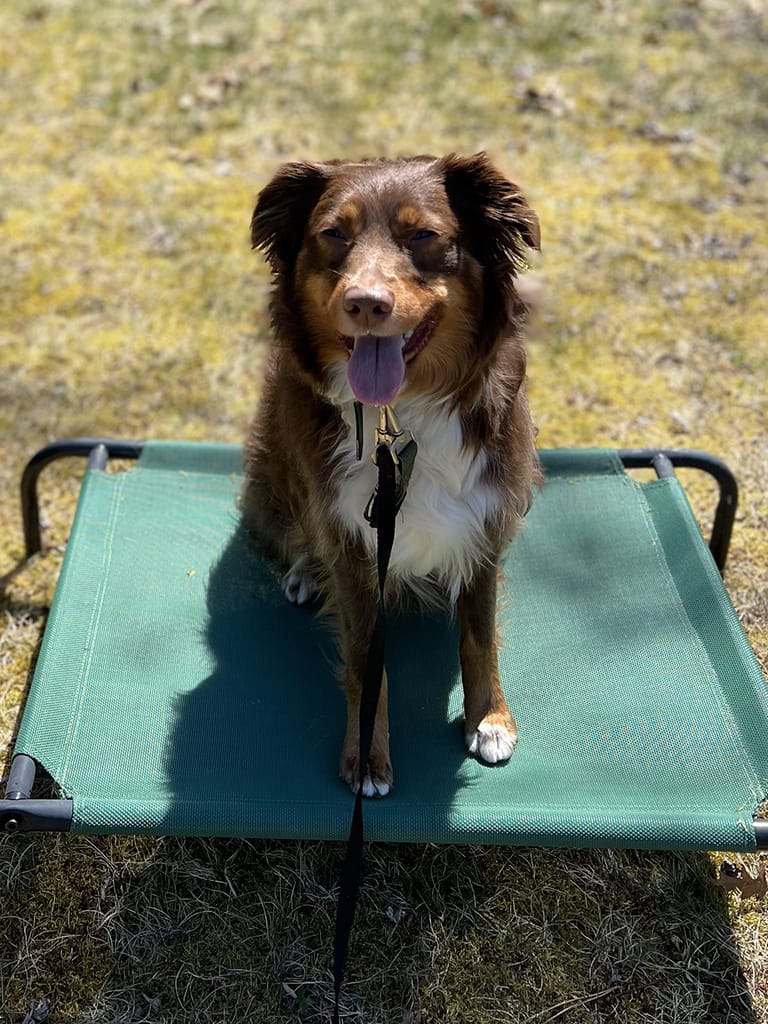
As a passionate dog owner, you understand the unique joys that come with sharing your life with a canine companion. However, when your dog exhibits reactivity – a term encompassing behaviors like excessive barking, lunging, or growling towards other dogs, people, or even objects – it can create stress and limit your shared experiences. If you’re in Columbus, Ohio, and seeking effective solutions for your reactive dog, you’ve come to the right place. This guide will explore the nuances of reactive dog training in Columbus, OH, focusing on building your dog’s confidence and fostering a calmer demeanor.
Understanding Dog Reactivity
Dog reactivity isn’t about aggression; it’s typically a fear-based or over-excited response to a trigger. Your dog isn’t being “bad”; they’re communicating that they feel overwhelmed, anxious, or frustrated. Common triggers include:
- Other dogs: Seeing, hearing, or even smelling another dog can set off a reactive response.
- People: Strangers, particularly those in uniforms, wearing hats, or carrying unusual objects, can be triggers.
- Vehicles: Cars, bicycles, or skateboards might elicit a chase or bark response.
- Noises: Loud or sudden sounds can cause a dog to become anxious and reactive.
Recognizing these triggers is the first step toward finding effective training solutions in Columbus. The goal isn’t to eliminate a dog’s natural instincts but to teach them how to respond in a more appropriate and less stressful way.
Finding the Right Reactive Dog Training in Columbus, Ohio
Choosing the right trainer is paramount when dealing with reactivity. You need a professional who understands the science of animal behavior and uses humane, positive reinforcement methods. Here’s what to look for:
Experienced and Certified Professionals
Seek out trainers or behaviorists with certifications from reputable organizations such as the Certification Council for Professional Dog Trainers (CCPDT), the Karen Pryor Academy (KPA), or the International Association of Animal Behavior Consultants (IAABC). Experience specifically with reactive dogs is a significant plus.
Positive Reinforcement Methods
Ethical trainers focus on rewarding desired behaviors rather than punishing unwanted ones. This approach builds trust and strengthens the bond between you and your dog. Look for trainers who use techniques like clicker training, positive reinforcement, and desensitization/counter-conditioning.
Personalized Training Plans
Reactivity is complex and varies from dog to dog. A good trainer will assess your dog’s specific needs, triggers, and temperament to create a tailored training plan. This might involve one-on-one sessions, group classes designed for reactive dogs, or a combination of both.
Focus on Management and Prevention
While training is crucial, effective management of your dog’s environment is equally important, especially in the early stages. This means avoiding known triggers whenever possible to prevent your dog from practicing reactive behaviors. A good trainer will guide you on how to manage situations and prevent “setbacks.”
Key Training Techniques for Reactive Dogs
When you partner with a Columbus-based reactive dog trainer, you’ll likely encounter several core techniques:
Desensitization and Counter-Conditioning (DSCC)
This is the cornerstone of reactive dog training.
- Desensitization: Gradually exposing your dog to their trigger at a distance where they don’t react. The goal is to slowly decrease the distance over time as your dog remains calm.
- Counter-Conditioning: Changing your dog’s emotional response to the trigger. This is done by pairing the sight of the trigger with something highly positive, like a delicious treat or a favorite toy. Your dog learns that seeing the trigger predicts good things.
For example, if another dog is the trigger, you might start by seeing another dog at a very far distance (across a park, for instance). The moment your dog notices the other dog but before they react, you give them a high-value treat. The other dog leaves, the treats stop. Repeat this many times, slowly getting closer as your dog becomes more comfortable.
Teaching Alternative Behaviors
Instead of just trying to suppress the unwanted behavior, trainers teach dogs what to do instead.
- “Look at That” (LAT) Game: This teaches your dog to look at the trigger and then look back at you for a reward. It helps them disengage from the trigger and focus on you.
- “Find It”: Scattering treats on the ground can redirect your dog’s attention away from a trigger and onto a positive, scent-based activity.
- “Engage-Disengage”: Teaching your dog to notice a trigger and then purposefully turn their attention back to you for a reward.
Building Confidence and Impulse Control
Reactivity often stems from a lack of confidence or poor impulse control. Training exercises that build these skills are vital:
- Trick Training: Learning new tricks boosts a dog’s confidence and strengthens their focus on you.
- “Leave It” and “Stay”: These commands help dogs practice self-control.
- Nose Work/Scent Games: These activities allow dogs to use their natural abilities, increasing confidence and providing mental enrichment.
Finding Resources in Columbus, Ohio
While I cannot recommend specific businesses, here’s how you can find reputable trainers and resources in the Columbus area:
- Online Search: Use terms like “reactive dog trainer Columbus Ohio,” “dog behaviorist Columbus Ohio,” or “positive reinforcement dog training Columbus.”
- Veterinarian Referrals: Your veterinarian is an excellent resource. They often have relationships with trusted dog trainers and behaviorists they can recommend.
- Local Shelters and Rescues: Many shelters and rescues work with qualified trainers and may offer classes or referrals.
- Professional Organizations: Check the websites of the CCPDT, KPA, or IAABC for directories of certified professionals in your area.
When you connect with potential trainers, don’t hesitate to ask questions about their experience with reactive dogs, their training methods, and their philosophy. A good trainer will be transparent and willing to discuss your dog’s specific challenges.
The Journey to a Calmer Companion
Training a reactive dog is a marathon, not a sprint. It requires patience, consistency, and a deep understanding of your dog’s emotional state. Celebrate small victories, maintain a positive outlook, and remember that the goal is not perfection, but progress. By seeking professional guidance from a qualified reactive dog trainer in Columbus, Ohio, and committing to a humane, science-based training approach, you can help your dog build confidence, reduce their reactivity, and enjoy a more peaceful, fulfilling life together. The “Dog Care Story” is about nurturing the bond with our dogs, and overcoming reactivity is a powerful chapter in that journey.
