
In the vast world of horse training, few names command as much reverence as Ray Hunt. He wasn’t just a horse trainer; he was a philosopher on horseback, a man who sought a deeper connection with the horse, built on understanding rather than force. For anyone seeking to understand the heart of modern natural horsemanship, the journey inevitably leads back to the quiet wisdom of Ray Hunt, a pivotal figure who taught generations of riders to “listen” to what their horses were telling them. His approach was a radical departure from the traditional “breaking” methods of the time, ushering in a new era of partnership between human and horse.
The legacy of the Ray Hunt Horse Trainer philosophy is not found in a rigid set of rules, but in a fluid, responsive way of being with horses. It’s about presenting a situation so the horse can figure out the right answer for itself. He believed in working with the horse’s mind, not just its body, fostering a willingness that couldn’t be achieved through mechanical aids or intimidation. This revolutionary idea transformed the industry and continues to influence top horsemen and amateur riders around the globe, proving that true horsemanship is an art of communication, not domination.
The Formative Years: From Cowboy to Innovator
Born in 1929 in Paul, Idaho, Ray Hunt grew up in the saddle, living the life of a working cowboy. From an early age, he was immersed in the practical, demanding world of ranching, where a good horse was not a luxury but a necessity. He spent countless hours driving cattle across the rugged landscapes of the American West. This environment was his classroom, and the thousands of horses he handled were his teachers. He learned the conventional methods of the time, which often involved force and breaking a horse’s spirit to make it compliant.
However, Hunt possessed a rare sensitivity and an inquisitive mind. He began to notice the subtle responses of horses, the flick of an ear, the tensing of a muscle, the shift in weight. He saw that the traditional, forceful methods often created resistance, fear, and resentment in the horse. He started questioning the very foundation of how humans interacted with these magnificent animals. This internal conflict set him on a path of discovery, searching for a better way—a way that honored the horse as a thinking, feeling partner. His quest would eventually lead him to another quiet master, a man who would help him articulate the feelings he’d been chasing.
The Influence of Tom Dorrance: A Meeting of Minds
A pivotal moment in Ray Hunt’s journey was his meeting with Tom Dorrance in the 1960s. Dorrance, often considered the quiet grandfather of the natural horsemanship movement, had a profound and almost mystical understanding of the horse’s mind. He saw things others missed, approaching every interaction with patience and a desire to see the situation from the horse’s point of view. In Dorrance, Hunt found a mentor and a kindred spirit who could put words and a framework to the ideas he had been intuitively exploring.
Their relationship was one of mutual respect and deep learning. Dorrance helped Hunt refine his understanding of “feel,” “timing,” and “balance”—the three pillars of their shared philosophy. It wasn’t about tricks or shortcuts; it was about developing a level of awareness so acute that the rider could feel what the horse was about to do and adjust accordingly. This partnership of two of the greatest horsemen of the 20th century created a powerful synergy, solidifying a philosophy that would ripple outwards, passed down through the clinics Hunt would later conduct across the country.
“You’re not working on the horse, you’re working on yourself.” – Ray Hunt
This famous quote encapsulates the essence of his teaching. The problem, he often explained, was rarely with the horse, but with the human’s inability to communicate clearly and fairly.
The Core Philosophy: Ray Hunt’s Horsemanship Principles
The Ray Hunt horse trainer methodology is less a step-by-step system and more a holistic philosophy. It’s a way of thinking and being that puts the horse’s mental and emotional state first. At its heart are several key principles that guide every interaction.
Make the Wrong Thing Difficult and the Right Thing Easy
This is perhaps Hunt’s most famous and fundamental principle. It’s a simple concept with profound implications. Instead of punishing a horse for doing the wrong thing, the handler arranges the situation so that the undesirable action requires effort, while the desired action is a comfortable place of rest and release. For example, if a horse is pushing against the bridle, the rider maintains a steady, consistent pressure. The moment the horse softens and gives to the pressure, even slightly, the rider immediately releases. The horse learns that yielding brings comfort, and soon it seeks that release. This method empowers the horse to make a choice, effectively teaching it to train itself by seeking the easy, correct answer.
Working With the Horse’s Mind
Hunt recognized that a horse’s physical response is a direct result of its mental state. He taught riders to look beyond the action—the bucking, the spooking, the pulling—and ask why the horse was doing it. Is it fear? Is it confusion? Is it a lack of confidence? By addressing the root cause in the horse’s mind, the physical problem often resolves itself. This approach requires immense patience and empathy. It means slowing down, breaking down requests into small, understandable steps, and ensuring the horse is confident and relaxed before moving on. He often spoke of “building a foundation” and not being in a hurry, because a solid mental foundation would support all future training.
Feel, Timing, and Balance
These three concepts are the invisible threads that connect horse and rider in Hunt’s world.
- Feel: This refers to the sensitivity to pressure and the ability to perceive the horse’s slightest thought or intention through the reins, the seat, and the legs. It’s about feeling for the horse, not just feeling of the horse.
- Timing: This is the ability to apply and release pressure at precisely the right moment. Releasing the pressure just as the horse begins to think about the right answer is the ultimate reward and the most effective teacher. Bad timing can punish a horse for trying, while good timing builds confidence and understanding.
- Balance: This encompasses both the physical and mental equilibrium of the horse. A horse that is physically off-balance cannot be mentally relaxed and receptive. Hunt taught riders how to help a horse find its own balance, allowing it to move freely and efficiently, which in turn fostered a calm and focused mind.
The Lasting Legacy of a Master Horseman
Ray Hunt passed away in 2009, but his influence is more widespread today than ever before. He wasn’t interested in fame or creating a branded “method.” His goal was to help the horse. He traveled tirelessly, conducting clinics in dusty arenas and open fields, sharing his knowledge with anyone willing to listen. He taught some of the most respected horsemen in the world, most notably Buck Brannaman, who has carried the torch and introduced these principles to a global audience.
The legacy of the Ray Hunt horse trainer is a profound shift in consciousness within the equestrian world. He championed the idea of horsemanship as a journey of self-improvement, where the horse serves as a mirror to the rider’s own shortcomings, fears, and impatience. He taught that true control comes not from force, but from earning the horse’s trust and respect. His teachings remind us that in our relationship with horses, we have a responsibility to be fair, clear, and understanding partners.
Frequently Asked Questions about Ray Hunt
What is Ray Hunt best known for?
Ray Hunt is best known for being a pioneering figure in the natural horsemanship movement. He revolutionized horse training by shifting the focus from “breaking” a horse with force to developing a willing partnership through communication, understanding, and the principle of “making the wrong thing difficult and the right thing easy.”
How did Ray Hunt’s philosophy differ from traditional methods?
Traditional horse training methods of his time often relied on mechanical force, intimidation, and repetition to achieve submission. Ray Hunt’s philosophy was fundamentally different; he focused on the horse’s mind, using feel, timing, and balance to help the horse understand the request and choose to cooperate. His approach was about building trust, not instilling fear.
Who was Ray Hunt’s main mentor?
Ray Hunt’s most significant mentor was Tom Dorrance. Dorrance helped Hunt crystallize his intuitive feelings about horses into a coherent philosophy and provided him with a deeper understanding of the horse’s perspective, which became the cornerstone of his teaching.
Did Ray Hunt write any books?
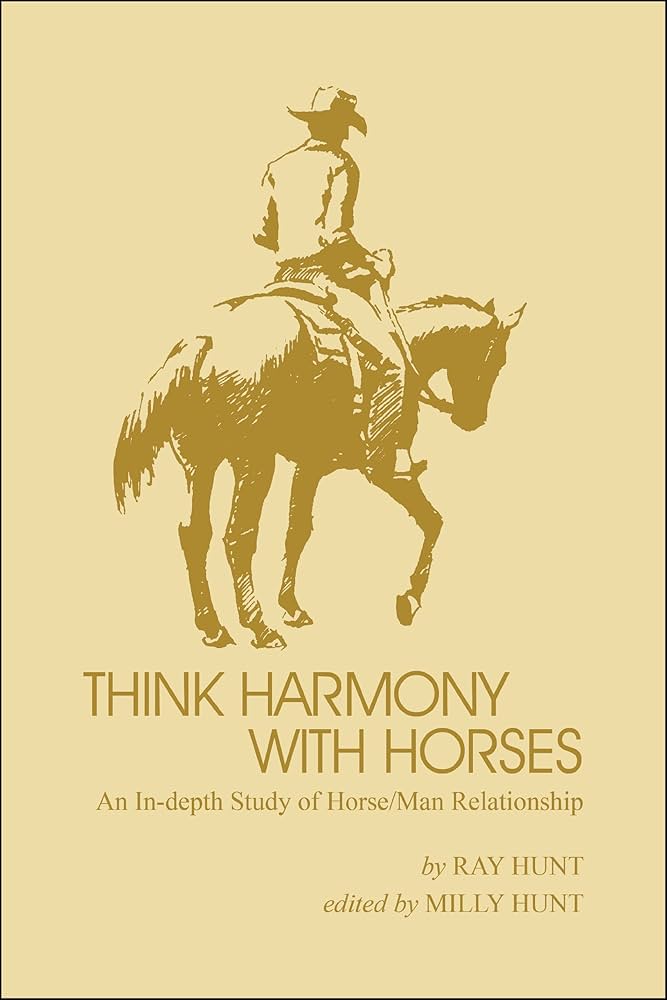
Yes, Ray Hunt co-authored a book titled “Think Harmony with Horses: An In-depth Study of the Horse’s Mind.” This book is considered a foundational text in natural horsemanship and provides deep insights into his philosophy and approach. He also released many instructional videos from his clinics.
What is the core message of Ray Hunt’s teaching?
The core message of Ray Hunt’s teaching is that the human is responsible for the quality of communication with the horse. He believed that problems arise from the human’s lack of clarity, feel, or timing, not from malice in the horse. His work encourages riders to work on themselves to become the partner their horse deserves.
The Enduring Wisdom of a True Horseman
The principles taught by the legendary Ray Hunt horse trainer are timeless. They transcend disciplines, breeds, and skill levels. Whether you are a competitive dressage rider, a weekend trail enthusiast, or a working ranch hand, his wisdom offers a path to a more harmonious and effective relationship with your horse. He taught us to slow down, to listen more than we talk, and to seek a connection so deep that it feels like a dance. Ray Hunt’s ultimate lesson was that horsemanship is not something you do to a horse; it is something you do with a horse. And in that partnership, both human and horse are made better.
