
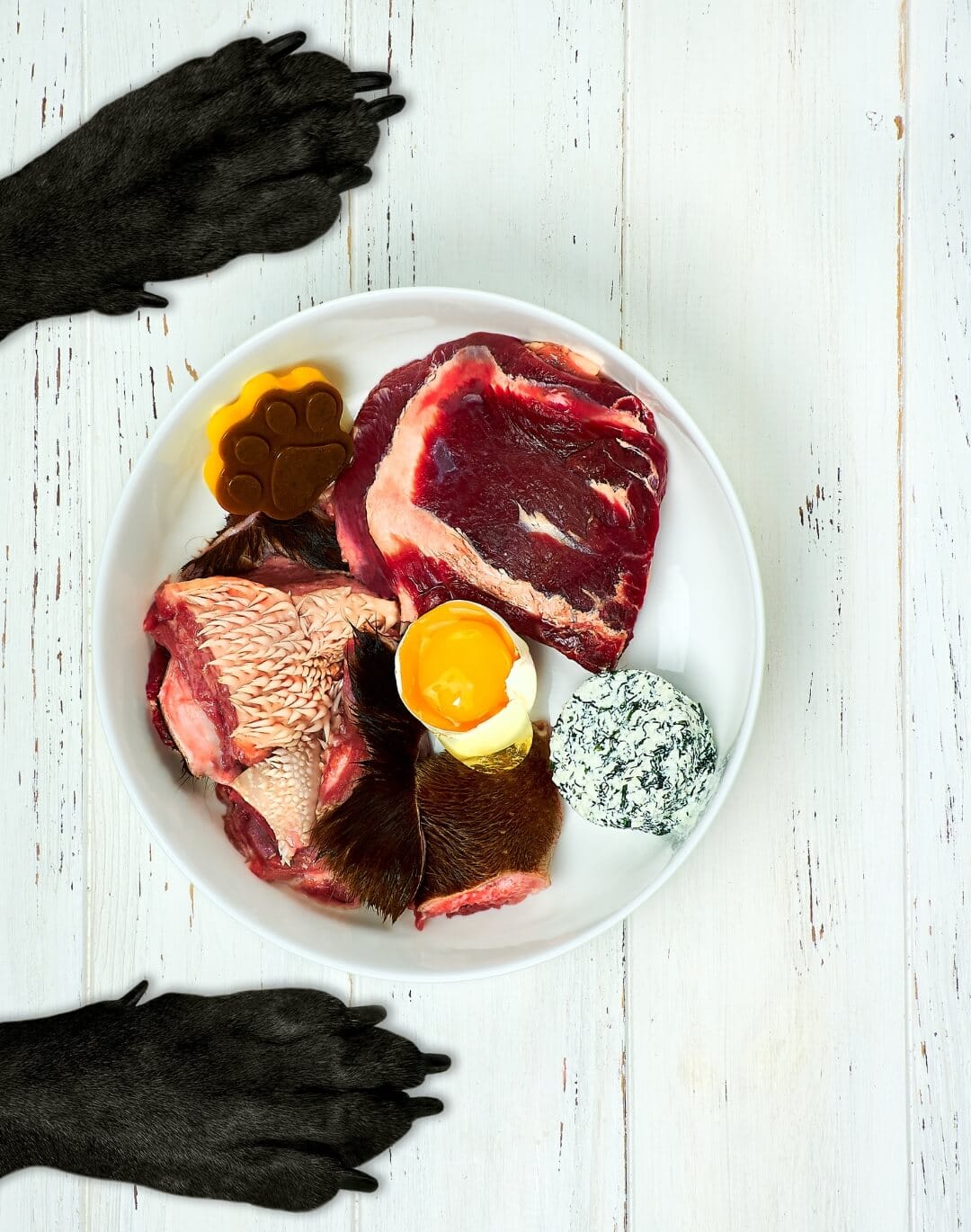
Switching your beloved pet to a raw food diet can be a rewarding experience, offering potential health benefits and a more natural way of eating. However, the transition process requires careful consideration to ensure your pet adapts smoothly. This guide will walk you through two primary methods for transitioning your pet to raw food: the gradual method and the “cold turkey” method, helping you choose the best approach for your furry companion.
Understanding the Transition Methods
When embarking on a raw food journey for your pet, understanding the available transition methods is crucial. The choice between a gradual approach and an immediate switch often depends on your pet’s age, health, and individual digestive capabilities.
The Gradual Method: A Gentle Introduction
The gradual method is particularly well-suited for older pets or those with a history of sensitive stomachs or digestive issues. This approach involves slowly integrating raw meat into their current diet, allowing their digestive system to adjust over time. The core principle is to gradually decrease the amount of their existing food (such as kibble) while simultaneously increasing the proportion of raw food.
Example Feeding Plan:
To visualize the gradual transition, consider your pet’s total daily food intake as 100%.
- Days 1-4: Feed approximately 75% of their daily intake using their current kibble in the morning and 25% raw food in the evening. Continue this until their stool appears healthy.
- Days 5-8: Adjust the balance to 50% kibble (or current food) in the morning and 50% raw food in the evening.
- Days 9-12: Further shift the balance to 25% kibble (or current food) in the morning and 75% raw food in the evening.
- Day 13 onwards: Aim for a 100% raw food diet.
It’s important to wait for 7-10 days after your pet has fully transitioned to a raw diet before introducing raw meaty bones, such as turkey or chicken necks. This allows their digestive system to fully adapt to raw food.
The Cold Turkey Method: A Direct Switch
For younger, healthy pets without pre-existing digestive or stomach problems, the “cold turkey” method offers a more direct transition to a raw food diet. This involves an immediate switch from their current food to raw food without a phased introduction.
Recommended Steps for the Cold Turkey Method:
- Fasting: It is recommended to fast your pet for approximately 24 hours before the switch. During this period, ensure they have constant access to fresh water. This fasting period helps to clear their digestive system of the previous food.
- Initial Raw Feeding: On the second day, you can begin feeding raw food. It is advisable to start with specially formulated products that include bone, such as Oma’s Pride Signature Mixes for dogs or Oma’s Pride Complete Meals for cats. These products are designed to help the digestive tract prepare for consuming whole bones.
- Protein Choices: Opt for milder proteins like chicken or turkey for the initial meals. These are generally easier to digest and contain less fat, making them a gentler introduction to a raw diet.
- Introducing Raw Meaty Bones: Similar to the gradual method, wait for 7-10 days after your pet is fully on a raw diet before introducing raw meaty bones like turkey or chicken necks.
To further support your pet during this transition, consider incorporating daily supplements. Products like Digestive Performance or Fundamental Vitality are rich in probiotics, which can aid in regulating a healthy digestive tract and ease the transition to a raw food diet.
Important Considerations for Raw Feeding
Regardless of the transition method you choose, always monitor your pet’s stool consistency and overall well-being. If you observe any signs of digestive upset, such as diarrhea or vomiting, you may need to slow down the transition process or consult with your veterinarian. Ensuring your pet receives a balanced and complete raw diet is paramount. If you’re unsure about specific nutritional needs, seeking guidance from a veterinarian experienced in raw feeding is highly recommended.
