
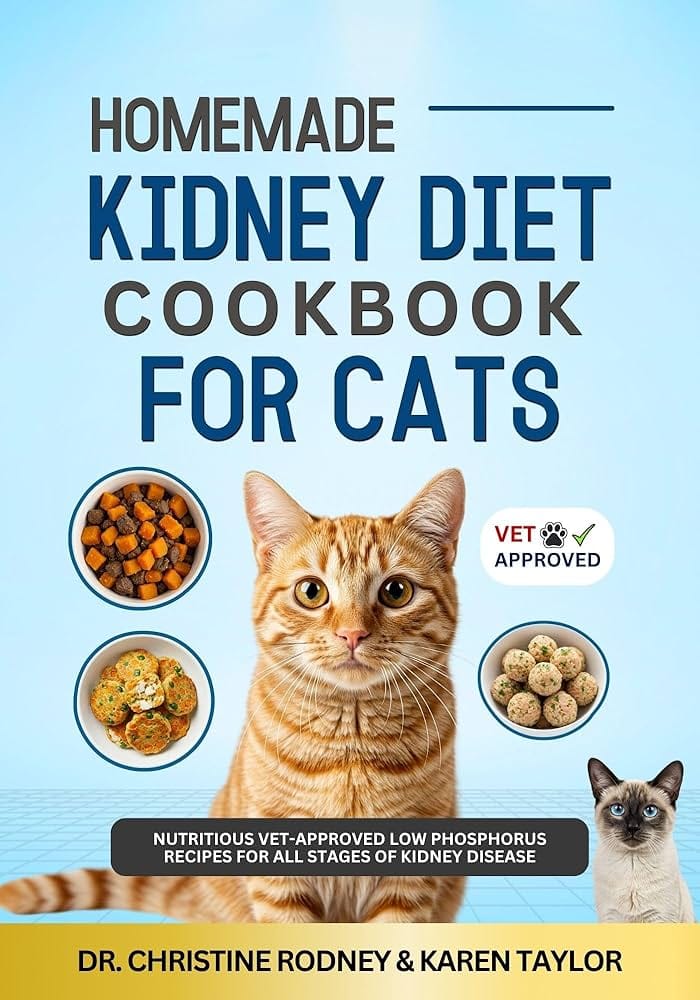
Managing diet is crucial for cats diagnosed with kidney disease. This management focuses on three primary aspects: water intake, protein content, and phosphate levels. Ensuring adequate hydration is paramount, as compromised kidneys struggle to conserve water, leading to a higher risk of dehydration. Wet food is generally recommended over dry, grain-based options to help cats derive more moisture from their diet. wet cat food for hairballs is a good option to consider.
Protein and Phosphorus in Renal Diets
For cats with renal disease, a diet rich in highly digestible, bio-appropriate protein, such as rabbit and poultry, is ideal. Protein breakdown products are a common source of toxins that can accumulate in the blood during renal failure. Anecdotal evidence suggests that cats with kidney disease often thrive on raw food diets featuring proteins like rabbit, chicken, and hare. Conversely, insufficient protein can result in detrimental weight loss and decreased palatability of the food.
Phosphorus, an essential mineral for overall health, is typically regulated by healthy kidneys through excretion of excess amounts. However, in cats with chronic kidney disease (CKD), this function is impaired, leading to hyperphosphatemia— elevated blood phosphorus levels. Symptoms of hyperphosphatemia can include appetite loss, incoordination, weakness, and twitching, sometimes manifesting as an inability to hold the head up.
Restricting dietary phosphate intake is considered beneficial in protecting the kidneys from further damage in cats with CKD. This can be achieved by eliminating high-phosphate foods and, if necessary, using phosphate binders when blood phosphate levels remain high despite dietary adjustments.
While meat is often perceived as high in phosphorus, its impact on an obligate carnivore differs from that on other species. For cats with renal failure, managing phosphorus requires a balanced approach. Feeding raw meaty bones, with the bone finely ground into the diet, can help balance phosphorus levels. The critical factor is the calcium-to-phosphorus ratio. Many CKD cats on raw diets with this balanced ratio do well. Phosphate binders may be recommended by a veterinarian if blood phosphate levels increase.
Understanding Prescription Renal Diets
Prescription renal diets are typically formulated with reduced levels of protein, phosphorus, and sodium, while increasing omega-3 fatty acids, B-vitamins, and antioxidants. The necessity of reducing protein for obligate carnivores remains a subject of debate. Proponents of raw food diets advocate for high-quality, easily digestible proteins from bio-appropriate sources like rabbit or poultry, rather than relying on plant-based proteins or difficult-to-digest ingredients like chicken meal or corn gluten meal.
Studies indicate that severe protein restriction alone may not prevent the progression of renal failure. Instead, research suggests that lowering serum phosphate concentration is a more critical management strategy for cats with renal failure, given their nature as obligate carnivores with high protein requirements. Renal diets used in studies have also consistently included supplements of potassium, B-vitamins, and omega-3 fatty acids.
The Benefits of a Raw Diet for Renal Health
Interestingly, a natural raw diet closely aligns with the nutritional needs of cats in renal failure. It offers high digestibility, quality protein, and abundant essential fatty acids derived from whole prey. Organ meats contribute to a good source of B-vitamins, and the presence of raw meaty bones helps maintain naturally lower phosphate levels compared to cereal-based diets. For cats primarily consuming farmed meats, supplementing with omega-3 fatty acids may be beneficial, as farmed meats tend to be lower in these essential fats.
A raw cat food diet is considered ideal, meeting the obligate carnivore’s requirements. Many older cats develop renal failure, which can be exacerbated by chronic dehydration from consuming dry commercial diets. Transitioning these cats to high-moisture raw food can significantly improve their health and well-being.
Note: Feline Nutrition provides this information as a public service. Always consult your veterinarian for diagnosis and treatment of specific conditions. Feline Nutrition disclaims all warranties and liabilities related to the veterinary advice provided.
Dr. Lyn Thomson, a graduate of the University of Bristol, practices in Auckland, New Zealand, and is a proponent of bio-appropriate nutrition. Her Raw Essentials stores offer raw diet products for cats and dogs.
References
- M Funaba, Y Oka, S Kobayashi, M Kaneko, H Yamamoto, K Namikawa, T Iriki, Y Hatano and M Abe, “Evaluation of Meat Meal, Chicken Meal and Corn Gluten Meal as Dietary Sources of Protein in Dry Cat Food,” The Canadian Journal of Veterinary Research vol. 69, 2005, 299-304.
- KC Bovée, DVM, MMedSc, “Mythology of Protein Restriction for Dogs with Reduced Renal Function,” Supplement to Compendium on Continuing Education for the Practicing Veterinarian vol. 21, no. 11(K), Nov 1999, 15-20.
- SA Brown, VMD, PhD, M Rickertsen, BS, S Sheldon, DVM, “Effects of an Intestinal Phosphorus Binder on Serum Phosphorus and Parathyroid Hormone Concentration in Cats With Reduced Renal Function,” International Journal of Applied Research in Veterinary Medicine vol. 6, no. 3, 2008, 155-160.
