
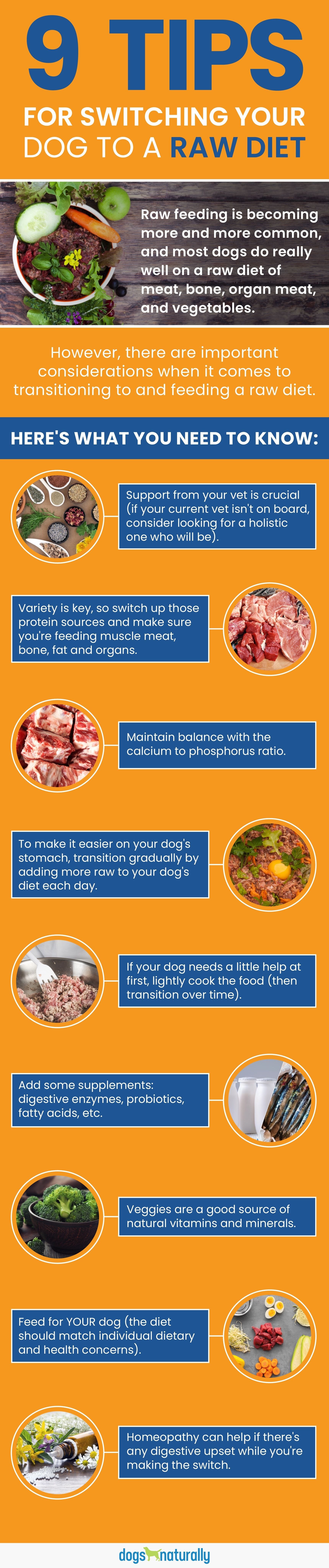
The popularity of raw meat-based diets (RMBDs) for dogs and cats is on the rise, with sales increasing annually and a significant percentage of pets now consuming some form of raw food. While many owners are turning to these diets for perceived health benefits, it’s crucial for veterinarians and owners to carefully consider the advantages, disadvantages, and safety implications. This article explores the different types of raw pet foods, the considerations involved in recommending them, and the challenges and opportunities they present to veterinary professionals.
Understanding Pet Food Options and Owner Priorities
As a veterinarian, my approach to pet nutrition is guided by a set of priorities designed to ensure the best possible outcome for both the pet and the family. These include:
- Safety for the family: Protecting human health is paramount, especially in households with young children, pregnant individuals, or immunocompromised members.
- Safety for the pet: Ensuring the chosen diet does not pose a risk to the animal’s well-being.
- Complete and balanced nutrition: Verifying that the diet meets all the pet’s nutritional requirements.
- Pet thriving: Identifying a food that the pet enjoys and flourishes on.
- Practicality for the client: Developing a feeding plan that is sustainable long-term.
My recommendations encompass a range of options, from high-quality commercial dry and canned foods to carefully prepared home-cooked or raw diets. The final decision always rests with the pet owner, informed by a thorough discussion of their goals, family situation, the pet’s health history, and financial constraints.
Types of Raw Pet Food
Raw pet food diets come in various forms, each with its own characteristics:
- Home-prepared RMBDs: These require careful balancing of nutrients, including calcium, vitamins, minerals, and taurine, often necessitating consultation with a veterinary nutritionist.
- Commercial raw diets (not complete and balanced): These often require the owner to supplement with bones, vitamins, minerals, and vegetables.
- Commercial raw frozen, freeze-dried, or dehydrated complete and balanced diets: These are formulated to meet AAFCO standards. Freezing, freeze-drying, and dehydration are processing methods that can reduce bacterial counts, though not always eliminate them. High Pressure Pasteurization (HPP) is a process that effectively kills most bacteria without altering nutritional quality.
Generally, raw pet diets are more expensive than conventional kibble due to higher-quality ingredients and processing. However, for pets with specific health issues, addressing the problem with diet can be more cost-effective than repeated veterinary visits and medications.
Potential Advantages of Raw Diets
In my experience, raw meat-based diets can be particularly beneficial for pets suffering from food allergies. Many commercial raw pet food options are limited-ingredient and grain-free, minimizing exposure to common allergens like chicken and beef, which often manifest as gastrointestinal upset or skin issues. Best cat food for immune system can also be a consideration when managing allergic responses.
For cats, particularly those with diabetes, a high-protein, low-carbohydrate diet, such as those found in feline RMBDs, can be disease-reversing or stabilizing. The feline digestive system is not well-adapted to high carbohydrate loads, which can lead to digestive issues and exacerbate conditions like diabetes.
While peer-reviewed studies demonstrating significant medical benefits are limited, many pet owners report positive changes in their pets, including increased activity, weight loss, improved coat quality, and better breath. When these changes occur in the absence of other interventions, they strongly suggest a benefit from the diet.
Disadvantages and Safety Concerns of Raw Diets
Despite potential benefits, several disadvantages and safety concerns are associated with feeding raw diets:
- Nutritional Completeness and Balance: Ensuring a raw diet is complete and balanced according to AAFCO standards can be challenging, especially for home-prepared diets or those from smaller manufacturers. Achieving the correct calcium-to-phosphorus ratio and adequate vitamin and mineral content from whole food ingredients alone is difficult.
- Cost and Time: Raw diets are generally more expensive and time-consuming to prepare than conventional pet foods.
- Pet Tolerance: Not all pets tolerate raw diets well, even with added vegetables.
- Bacterial Contamination: Raw meat, eggs, and pet foods can harbor pathogenic bacteria such as Salmonella and Listeria. While stomach acidity helps most dogs and cats process these bacteria, it poses a significant risk to immunocompromised pets, young puppies and kittens, the elderly, and humans in the household. For such pets, considering kidney care cat food wet or HPP-processed raw foods may be a safer alternative.
Safety for Humans and Pets
The risk of bacterial transmission from raw pet food to humans is similar to that from handling raw meat and eggs for human consumption. Freezing, freeze-drying, and dehydration can reduce bacterial counts, but viable pathogens can survive. This is a serious concern for households with vulnerable individuals. Practicing safe food handling, thorough handwashing, and careful disposal of pet waste are crucial. For owners prioritizing safety, highly palatable wet food for cats with liver disease that has undergone HPP processing can be a viable option.
Veterinary Considerations and Opportunities
Veterinarians face several considerations when advising clients about raw diets:
- Staff Safety: Veterinary staff must maintain strict hygiene protocols, as all pets can potentially carry zoonotic microorganisms.
- Client Education: It is the veterinarian’s responsibility to inform clients about the potential risks and benefits of RMBDs, documenting all advice given.
- Professional Guidelines: Major veterinary associations often discourage the use of RMBDs due to safety concerns, recommending that owners implement strict hygiene measures if they choose to feed them.
Despite the concerns, clients who choose raw diets are often well-informed and conscientious. A supportive and knowledgeable approach from veterinarians can build trust and allow for effective nutritional counseling. Dismissing these diets outright can lead clients to withhold information or seek advice elsewhere. By understanding the advantages and disadvantages, veterinarians can offer credible guidance, whether it’s recommending specific RMBDs, advising on safer alternatives like hill science diet kitten food, or discussing potential health benefits for conditions like siamese health problems.
In conclusion, while raw pet foods are not suitable for every owner or pet, they can be a valuable tool in managing certain medical conditions, improving appetite, and enhancing coat quality in some animals. Veterinarians play a critical role in educating owners about the nutritional completeness, cost, time commitment, and, most importantly, the safety implications for both pets and their human families. Thorough documentation of all dietary advice and owner decisions is essential for good veterinary practice.
