
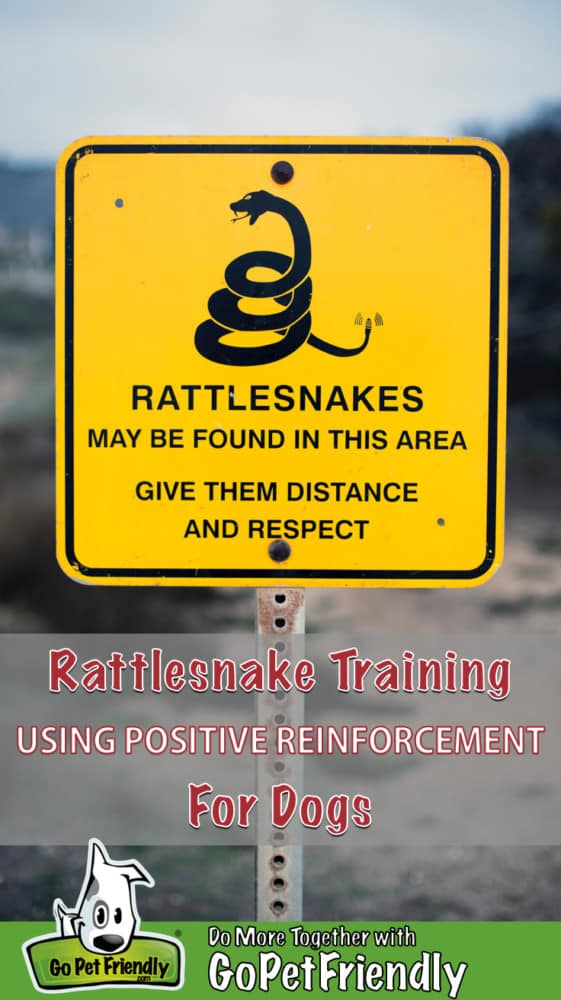
Living in Tucson, Arizona, means sharing our beautiful desert landscapes with a variety of wildlife, including rattlesnakes. For dog owners, this presents a unique challenge: how to keep our canine companions safe from venomous encounters. While complete prevention isn’t always possible, understanding rattlesnake behavior and implementing preventative training for your dog can significantly reduce the risk of a dangerous bite. This guide aims to provide comprehensive information on rattlesnake awareness and training for dogs in the Tucson area.
Understanding Rattlesnakes in the Tucson Environment
Rattlesnakes are native to the Americas and are well-established in the Sonoran Desert. Tucson’s climate and terrain provide ideal habitats for several species, including the Western Diamondback, Mojave Rattlesnake, and Sidewinder. These snakes are most active during warmer months, typically from spring through fall, and are often encountered at dawn and dusk. They are camouflaged to blend in with their surroundings, making them difficult to spot.
Why Dogs Are at Risk
Dogs, with their natural curiosity and tendency to explore with their noses and mouths, are particularly vulnerable to rattlesnake bites. Their inquisitive nature often leads them to investigate rustling sounds or intriguing scents, which can bring them too close to a hidden snake. Bites most commonly occur on the face, neck, or legs, as these are the parts of the dog that often approach the snake first.
Recognizing Rattlesnake Behavior
Rattlesnakes are not inherently aggressive; they generally prefer to avoid confrontation. Their primary defense mechanisms are camouflage and, when threatened, a warning rattle. However, a cornered or surprised snake may strike defensively. Understanding their behavior can help owners avoid situations that might provoke an encounter.
The Importance of Rattlesnake Training for Dogs
While you can’t “train” a dog to be afraid of rattlesnakes in a way that would cause phobic reactions, you can train them to have an aversion to the snake’s warning rattle and to avoid investigating it. The goal is to create a learned response that signals danger and prompts the dog to retreat. This training is a proactive measure to enhance your dog’s safety in outdoor environments common in Tucson.
What is Rattlesnake Avoidance Training?
Rattlesnake avoidance training (also known as rattlesnake aversion training) uses a controlled and safe method to teach dogs to recognize and stay away from the sound and scent of rattlesnakes. This is typically done by exposing the dog to a series of controlled stimuli, such as the scent of a shed rattlesnake skin or a live, safely restrained rattlesnake, paired with a mild, aversive but harmless stimulus.
The Training Process and How It Works
Professional trainers utilize specialized techniques. The process usually involves:
- Scent Introduction: Dogs are exposed to the scent of rattlesnake.
- Sound Association: They are then exposed to the distinct rattle sound.
- Controlled Exposure: In some advanced programs, a live rattlesnake is safely handled by the trainer and brought into proximity with the dog. When the dog shows curiosity or approaches, a controlled, mild stimulus (like a leash correction or a puff of air) is applied. The key is that the stimulus is associated with the snake’s presence, not with aggression from the handler.
- Positive Reinforcement (for avoidance): The dog learns that avoiding the snake and its rattle leads to a more pleasant outcome, i.e., no unpleasant stimulus.
It is crucial that this training is conducted by experienced, certified professionals to ensure the safety of both the dog and the snake. Improperly conducted training can be ineffective or, worse, dangerous.
Practical Steps for Rattlesnake Safety Around Your Dog
Beyond formal training, there are several everyday precautions every Tucson dog owner should take:
Leash Your Dog
This is the single most effective way to prevent encounters. Keep your dog on a leash, especially when hiking, walking in natural areas, or in your own backyard if you live in a snake-prone area. This gives you control and the ability to steer your dog away from potential hazards.
Be Mindful of Your Surroundings
Tired of seeing dogs on your feed wearing cute sweaters? While it’s a trend, it’s not for every dog. Let’s dive into what actually matters for your furry friend’s wardrobe, especially when it comes to staying comfortable and stylish in Tucson’s unique climate.
Environmental Awareness
- High-Grass Areas: Avoid letting your dog run through tall grass, brush, or rocky areas where snakes can easily hide.
- Debris Piles: Be cautious around woodpiles, rock piles, and thick vegetation.
- Dawn and Dusk: These are peak hunting times for rattlesnakes. Keep a closer eye on your dog during these periods.
- Water Sources: Snakes are often found near water sources, so be extra vigilant in these areas.
Secure Your Yard
If you have a yard, consider snake-proofing measures. This can include:
- Fencing: Ensure fences are in good repair and tall enough to prevent snakes from entering. Some fencing materials can also deter snakes.
- Yard Maintenance: Keep your lawn mowed and trim back brush and vegetation where snakes might seek shelter.
- Remove Attractants: Don’t leave pet food or water bowls outside, as they can attract rodents, which are a food source for snakes. Also, clean up any potential snake hiding spots like clutter or debris.
Recognizing the Signs of a Rattlesnake Bite
Even with the best precautions, bites can still happen. Knowing the signs is critical for prompt veterinary attention. Symptoms typically appear within minutes to a few hours after a bite and can include:
- Sudden weakness or lethargy.
- Puncture wounds, often bleeding, on the face, neck, or leg.
- Swelling around the bite area.
- Pain in the bitten area.
- Drooling or panting.
- Vomiting or nausea.
- Difficulty breathing.
- Shaking or trembling.
- Dilated pupils.
- Bloody saliva.
Immediate Actions if You Suspect a Bite
If you believe your dog has been bitten by a rattlesnake:
- Stay Calm: Your panic can stress your dog.
- Keep Your Dog Still: Limit movement as much as possible to slow the spread of venom. Carry your dog to your vehicle if feasible.
- Identify the Snake (If Safe): If you can safely identify the snake (e.g., by a photo from a distance) without putting yourself at risk, it can help veterinarians with treatment. However, never try to capture or kill the snake.
- Transport to Veterinarian Immediately: This is a critical emergency. Call your veterinarian or the nearest emergency veterinary clinic while en route to let them know you are coming. Time is of the essence.
- Do NOT:
- Do not cut the wound.
- Do not try to suck out the venom.
- Do not apply a tourniquet.
- Do not apply ice or heat.
- Do not give your dog any medication unless directed by a veterinarian.
Veterinary Treatment for Rattlesnake Bites
Prompt veterinary care is essential. Treatment typically involves:
- Antivenom: This is the most crucial part of treatment. Specific antivenom neutralizes the venom, counteracting its effects.
- Supportive Care: This may include IV fluids to combat shock and dehydration, pain management, antibiotics to prevent infection, and oxygen therapy if breathing is compromised.
- Monitoring: Your dog will need to be closely monitored for several days for complications.
The prognosis depends on the species of snake, the amount of venom injected, the location of the bite, and how quickly treatment is administered. Early intervention significantly improves the chances of a full recovery.
Living Safely with Rattlesnakes in Tucson
Integrating rattlesnake safety into your dog’s life in Tucson is an ongoing process. It involves education, consistent training, and vigilant observation. By understanding the risks and taking proactive measures, you can help ensure your beloved canine companion enjoys the beauty of the desert safely for years to come. Remember, prevention and quick action are your best allies in protecting your dog from rattlesnake encounters.
